Century-old ship logs show how much ice the Arctic has lost
By diving into archives, scientists confirmed that floes are melting faster than ever before.

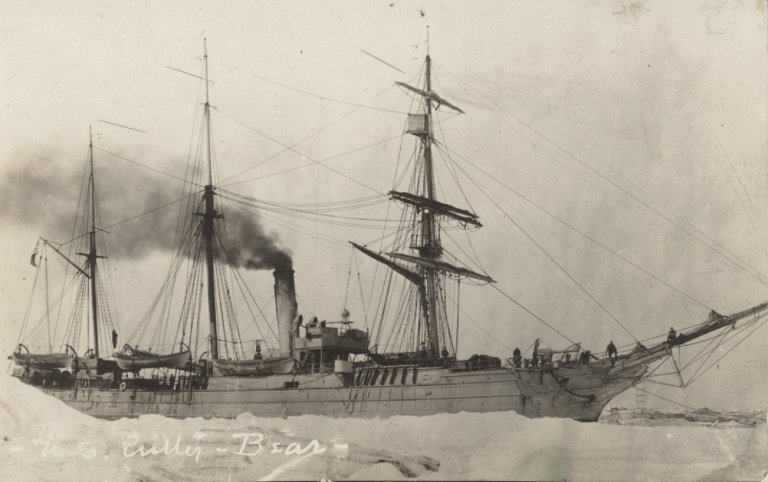
By diving into archives, scientists confirmed that floes are melting faster than ever before.

Targeting proteins that give the viruses a hand.

Science-minded notes on the art of ice cream. For starters: stop bashing corn syrup.

Make sense of operating systems, specs, and more.
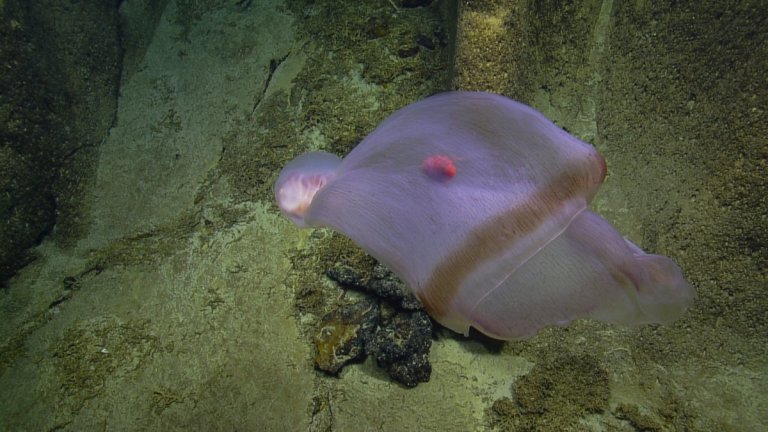
The rare and mysterious Deepstaria jellyfish looks like a cross between a plastic bag and a Victorian spectre.
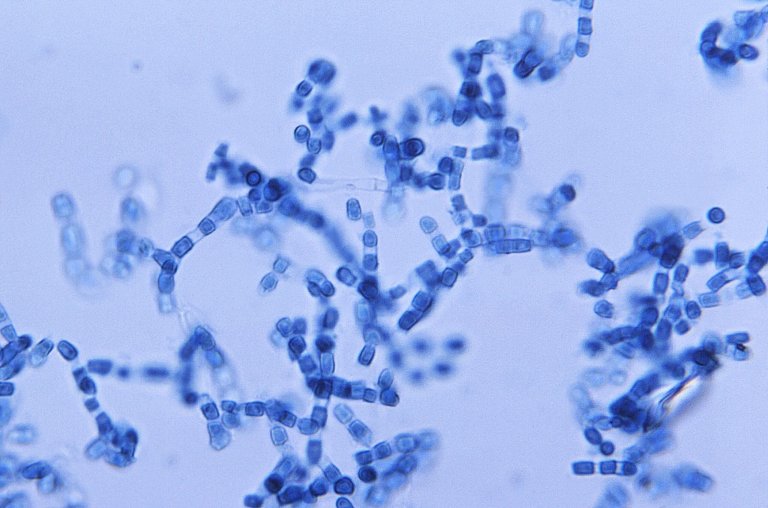
Climate change will increase the range of Valley fever.

Also: Does pizza cure cancer?

Field & Stream's outdoors skills expert examines the finer points of honing a knife with a stone.

Given another huge extinction event on the horizon, it's crucial that we figure out how they work sooner rather than later.

We have a vaccine that prevents cancer—but not enough people are using it.
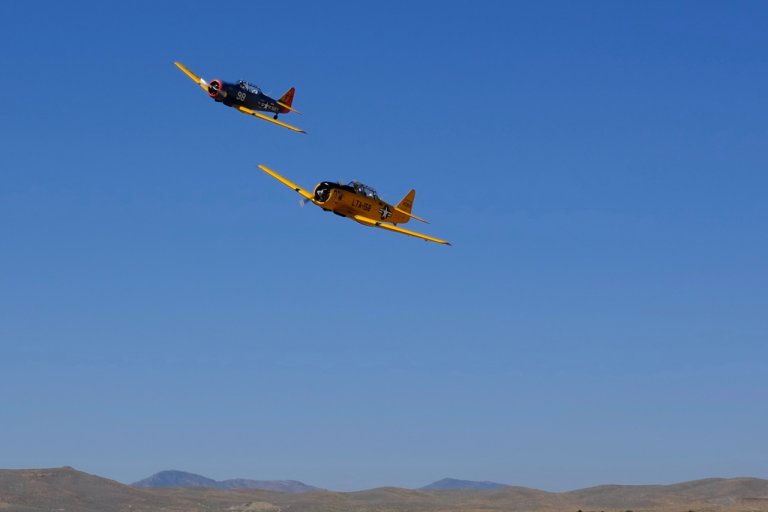
From fast jets, to tiny jets, to home-built propeller aircraft, here’s what flew in the desert north of Reno.
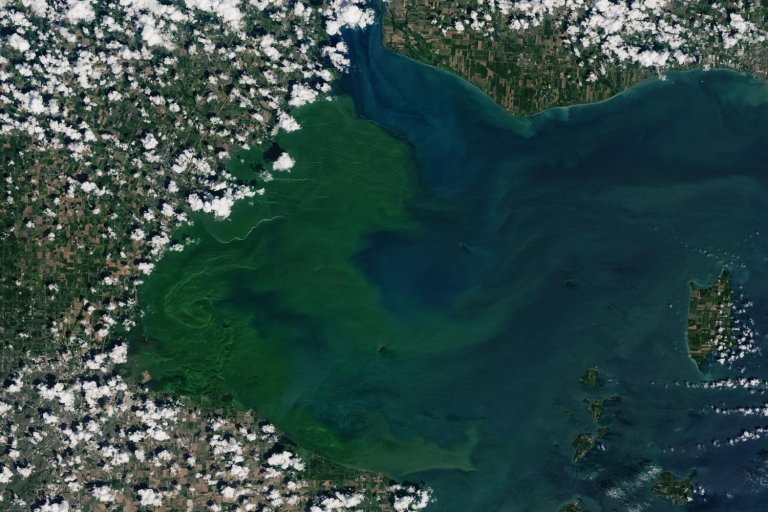
Rights of Nature laws generally are designed to encourage people to rethink their relationship to the environment.
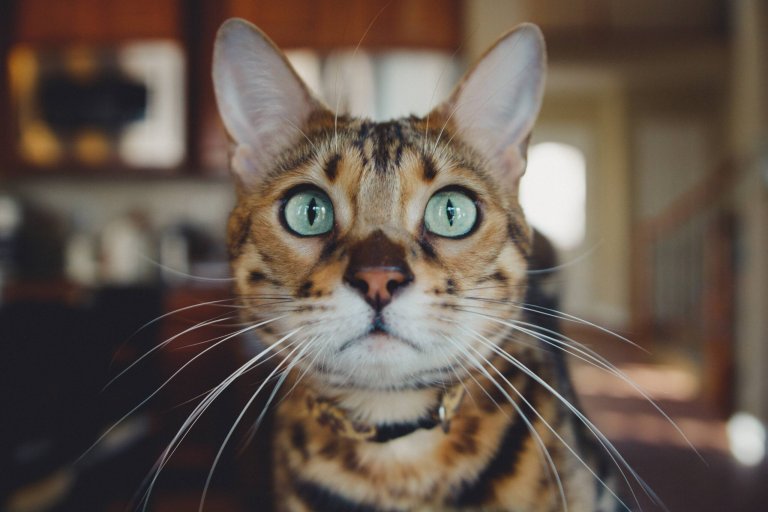
Anal sacs can tell you a lot about an animal.


The most fun you can have with a toy lie detector.

Faced with potential burnout from shoeing horses, Jennifer Horn taught herself artistic blacksmithing.

Start prospecting for “brown gold,” a term we made up to make cardboard boxes sound more interesting.

Memory could have something to do with it.

A recent poll found that most Americans think algorithms are unfair. But was the poll itself biased?

Also be sure to listen to the latest Techathlon podcast.