Lion’s mane mushroom shows promise in boosting brain cell growth
Used for centuries, the fungi has compounds that boost nerve growth.

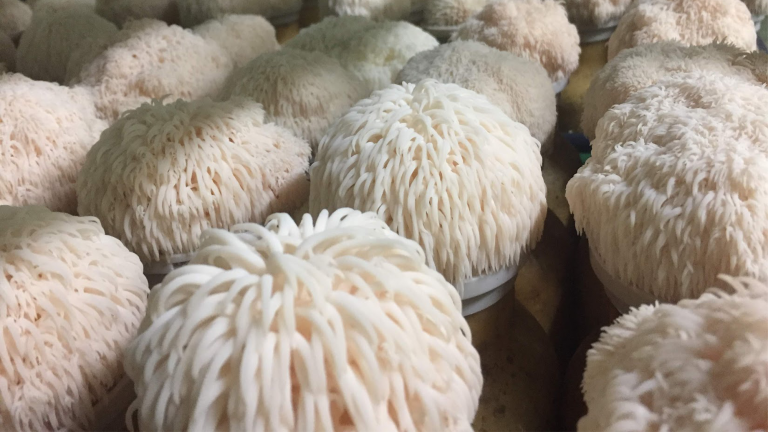
Used for centuries, the fungi has compounds that boost nerve growth.

You don't have to lose your Evernote content if you move to another app.

Factors like temperature, weight, and even the direction of travel figure into an aircraft's altitude. Here's what's up.

Two prison-education programs in the US are giving incarcerated kids and adults the space to learn science.

There are a lot of platforms like Twitter—you just have to find the right one for you.

The rundown on what scientists find actually works to protect forests and homes.

Carnegie Mellon University's FRIDA turns ideas into colorful finger-painted portraits.
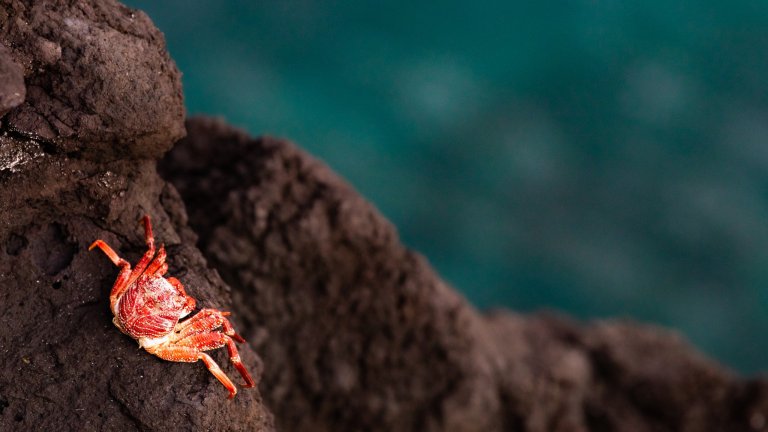
The unexpected discovery of a mass grave of red crabs 4,000 meters below the ocean’s surface is puzzling scientists—and raising questions about the ecology of the deep sea.
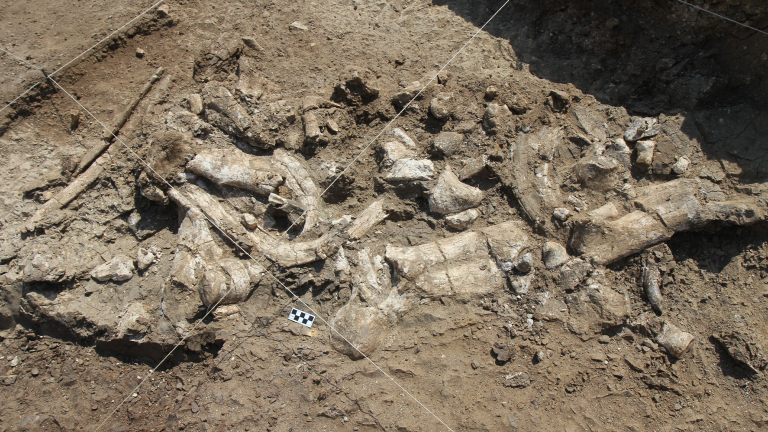
The stone tools could likely be the oldest evidence of Stone Age innovation.
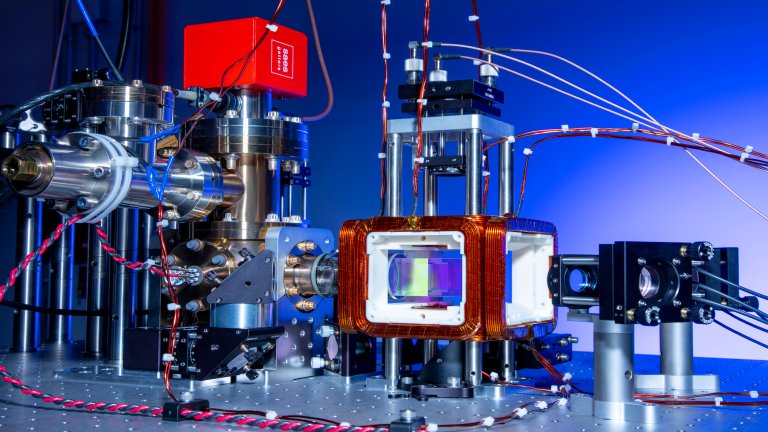
These atoms would function as individual qubits and would be controlled by "optical tweezers."
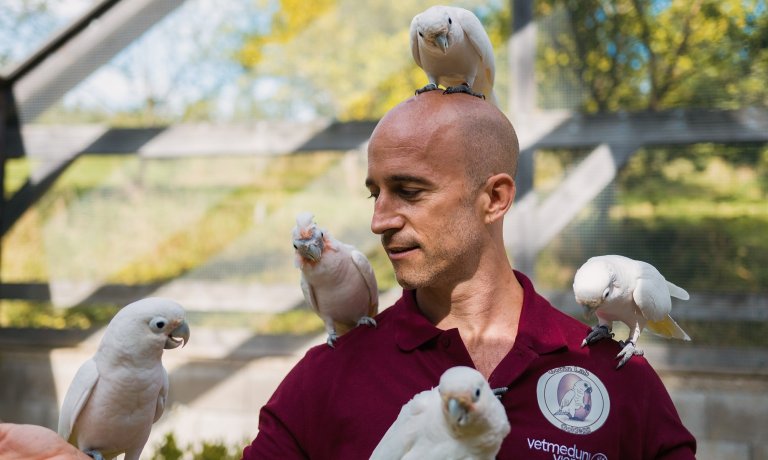
Nothing can stand between Figaro and his cashews.

You can now learn the news from the horse's mouth—without having to speak horse.
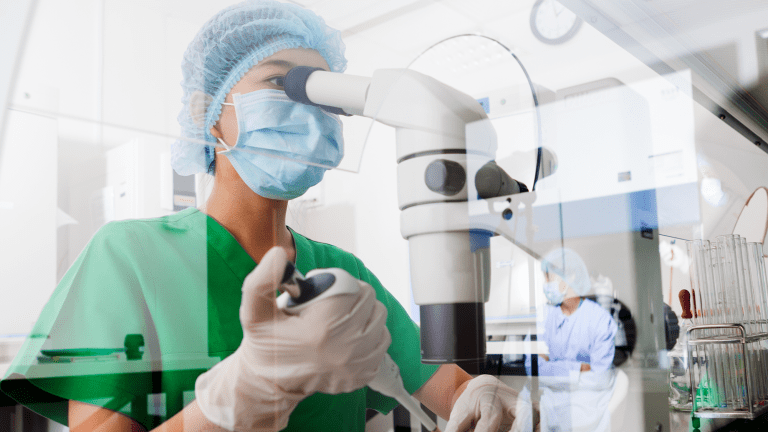
The vaccine targets triple negative breast cancers which make up about 10 to 15 percent of all breast cancers.
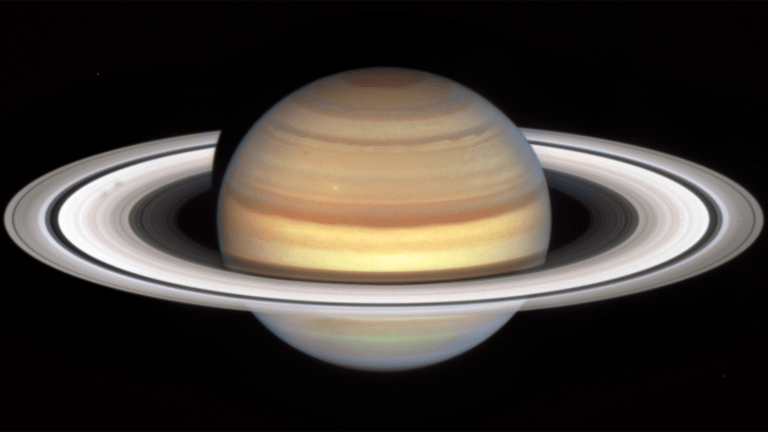
One season on Saturn lasts roughly seven Earth years.

Law enforcement is using Truleo's natural language processing AI to analyze officers' interactions with the public, raising questions about efficacy and civilian privacy.

The artificial intelligence will also help sift through Earth science studies to answer questions.
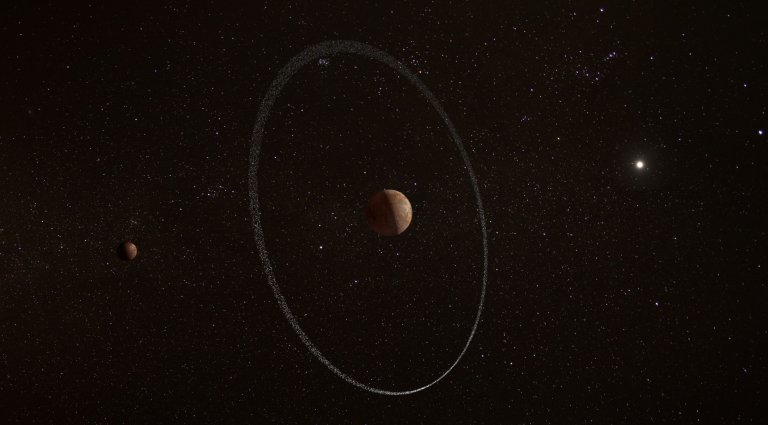
Something put a ring around a tiny world orbiting beyond Neptune.

A new study shows how fertilizer emissions could drop 80 percent by 2050.

Retired wind turbine blades are a massive landfill issue, but a new chemical mixture appears to finally solve the problem.

These AI models may respond and write in a human-like way, but they are not always 100 percent correct.