The most awesome aerospace innovations of 2022
Game-changing new developments in space, a “Parallel Reality” on the ground, and more innovations are the Best of What’s New.

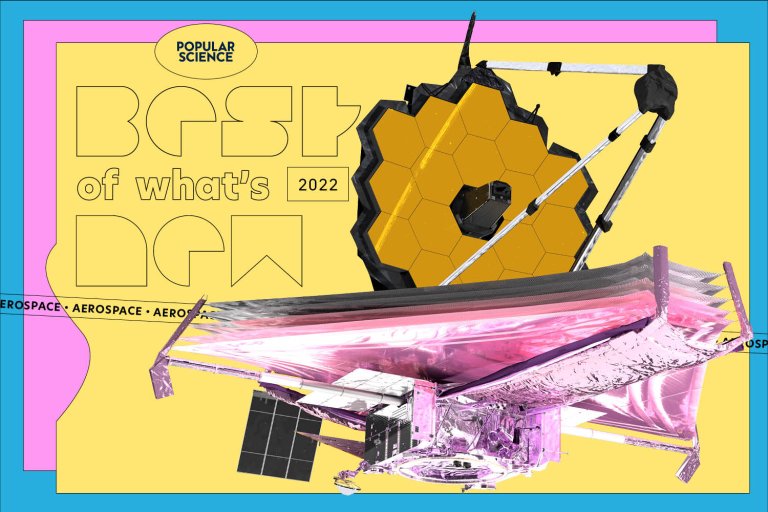
Game-changing new developments in space, a “Parallel Reality” on the ground, and more innovations are the Best of What’s New.
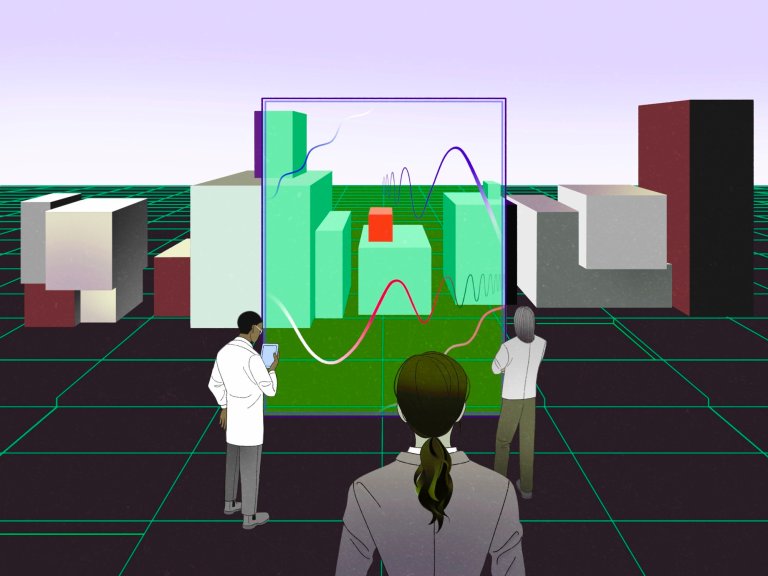
Novskite can detect and identify radiation—and be used in medical imaging, too. The Department of Defense is interested in that vision.

Your birds will absolutely love this project.

Almost 40 years after HIV/AIDS was named, stigma still haunts people living with it, despite scientific progress toward treatments and cures.

Two thousand years of this evidence indicates that the Atlantic has a stormy past.
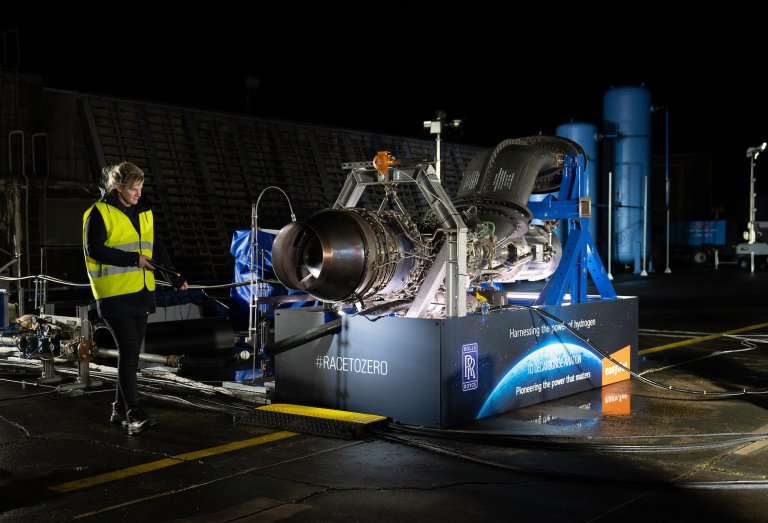
Rolls-Royce and easyJet carried out the experiment with hydrogen, which comes with its own challenges as fuel.
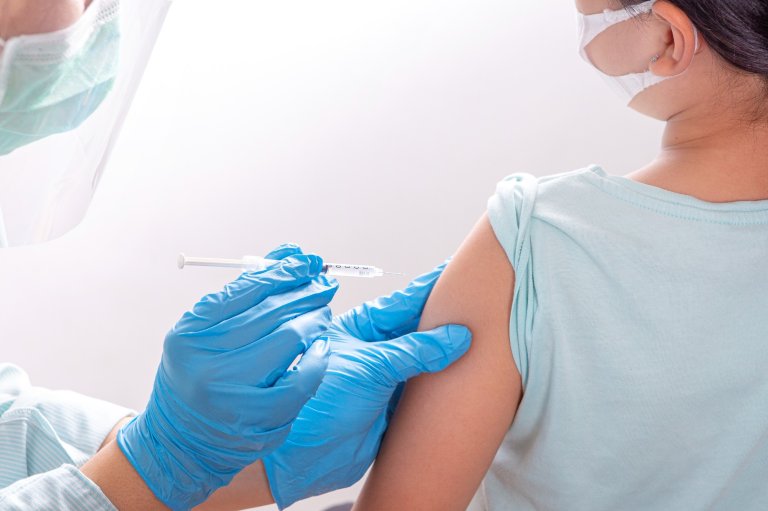
The study of more than 800,000 patients reinforces the importance of vaccinating youth.
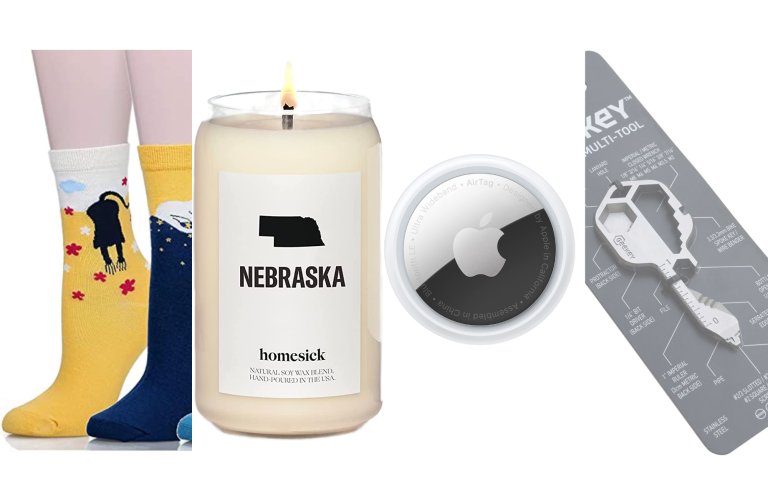
Whether for cooks, coffee lovers, cat people, kids, etc., great presents don't have to cost more than a few bucks. Here are some of the best gifts $50 and under.
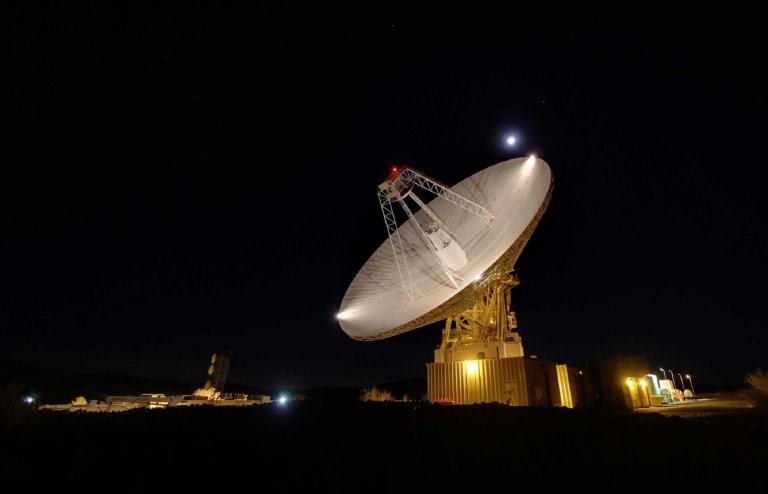
NASA's powerful communications system is humanity’s unseen mission control.

A colorful X-ray and infrared image shows new members of the Milky Way exerting 'self control.'
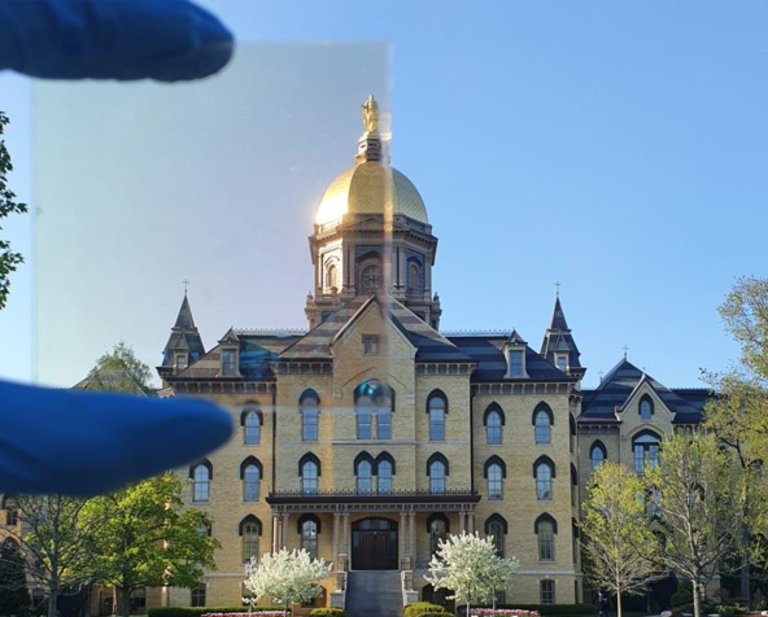
Quantum computing, machine learning, and contact lens polymers combined to dramatically reduce energy costs.
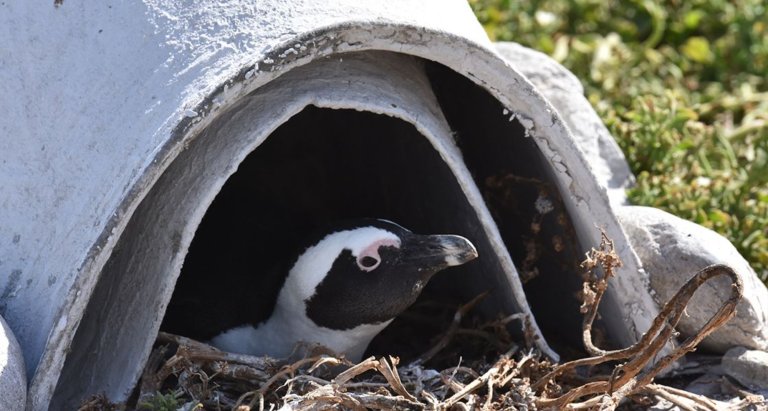
Artificial ceramic nests deployed on penguin colonies in South Africa could shield the endangered seabirds from rising temperatures.

The Shenzhou-15 mission is another benchmark for the country's space exploration program.

It can generate over 15 gallons in a day, or enough water for a squad of marines.

Earlier legislation requires heat pumps in new commercial buildings—now homes will also be included.

Nanomia bijuga is built like bubble wrap, and it's a master of multi-jet propulsion.

Daspletosaurus wilsoni grew unique features above its eyes, indicating it may link primitive and later tyrannosaurs.
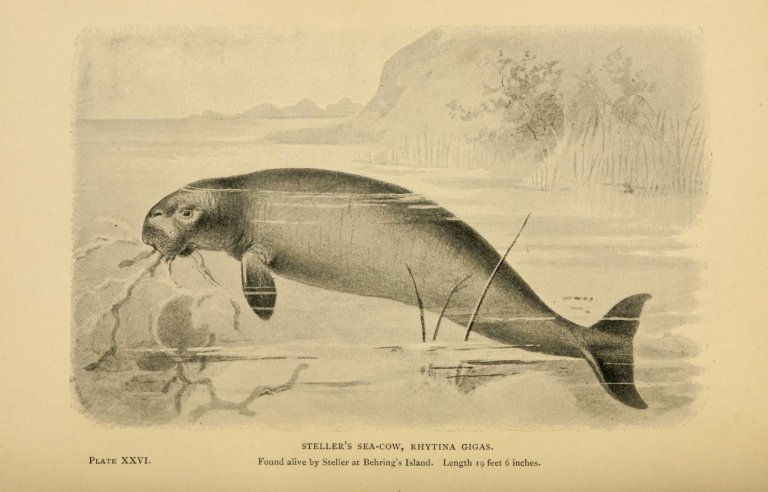
Understanding the ancient creature's impact could help aid conservation efforts.
The EU's General Data Protection Regulation (GDPR) law hits Meta for the second time this year.