The DOJ is investigating an AI tool that could be hurting families in Pennsylvania
Critics—and potentially the DOJ—are worried about the Allegheny Family Screening Tool's approach to mental health and disabled communities.


Critics—and potentially the DOJ—are worried about the Allegheny Family Screening Tool's approach to mental health and disabled communities.


The PRO Act also includes protections for contraception access and fertility services.

Some of these eccentric creatures even have a forked horn.

Plus other fun facts from The Weirdest Thing I Learned This Week.

It’s another step in understanding our 13 billion year-old universe.


Bioplastics often have a lot more in common with regular plastic than we realize.

Here's what we know about Project Daedalus.
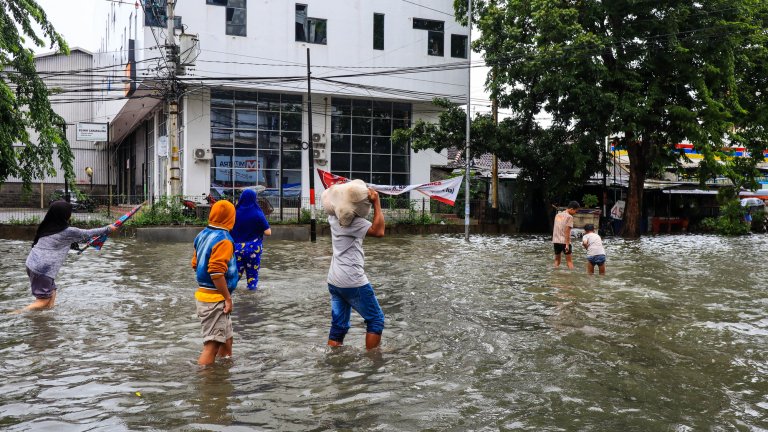
BencanaBot allows Indonesians to submit and coordinate disaster resiliency plans in real time.

Here's what we know about the Italian automaker's plans for its tech in the future.
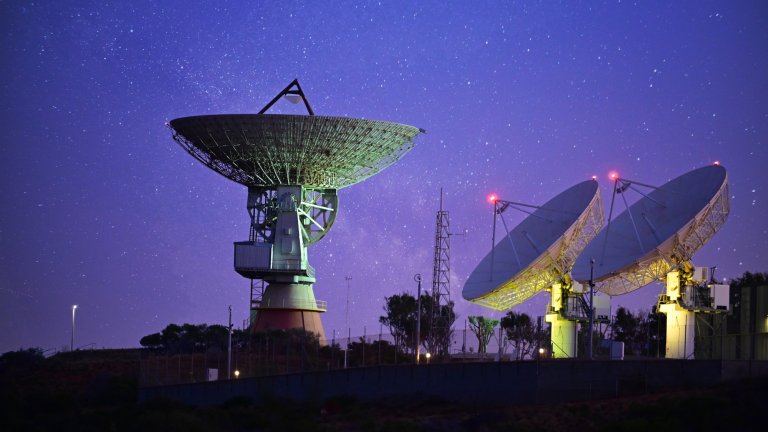
The program already spotted potential evidence while combing through 150TB of data from 820 nearby stars.

The World Health Organization says that the coronavirus remains a global health emergency.

Lessons from 2,000-year-old Roman material could help us build structures better suited for a waterlogged future.

Breathe new life into your ancient dust-covered laptop by installing ChromeOS Flex.

Scientists designed the free-to-play game 'Dirty Matters' to help us appreciate this overlooked substance.

Old and new versions of Apple devices have been subject to a major vulnerability still in the wild.

The link between erectile dysfunction pills and better heart health keeps getting firmer.

San Francisco officials note frustration over wasted municipal funds and traffic jams.

But don’t panic. It’s for a study on how freshwater and the surfzone interact.