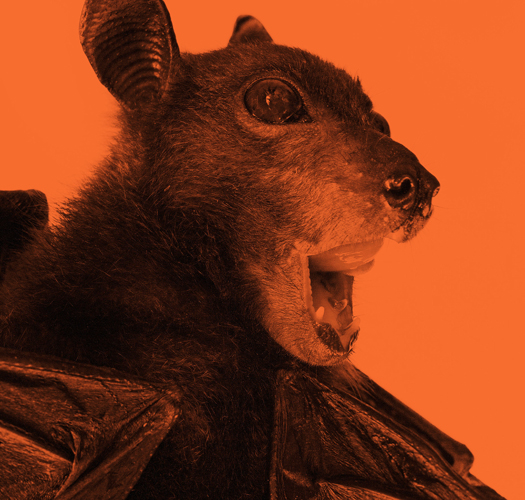
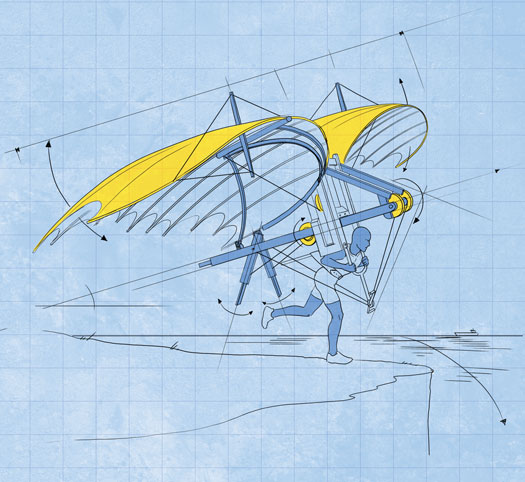
They Said It Couldn’t Be Done!
The quest for human-powered flight

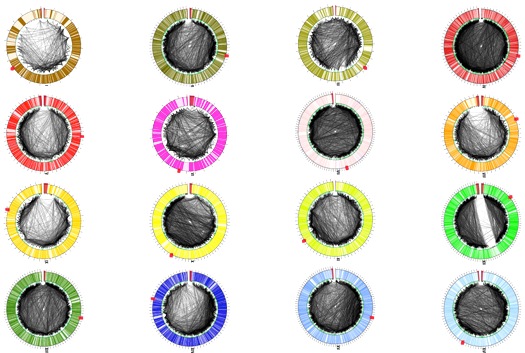
The yeast S. cerevisiae is instrumental in brewing ale. But did you know that it's also instrumental in helping scientists better understand cells?
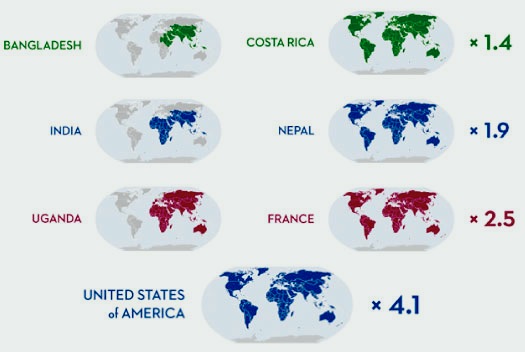
Hint: It's a good thing not everyone lives like an American.

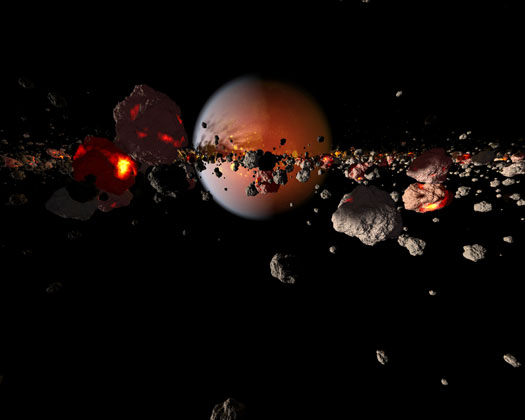
New findings demonstrate how the moon could have been made from Earth parts, not kamikaze-planet pieces.
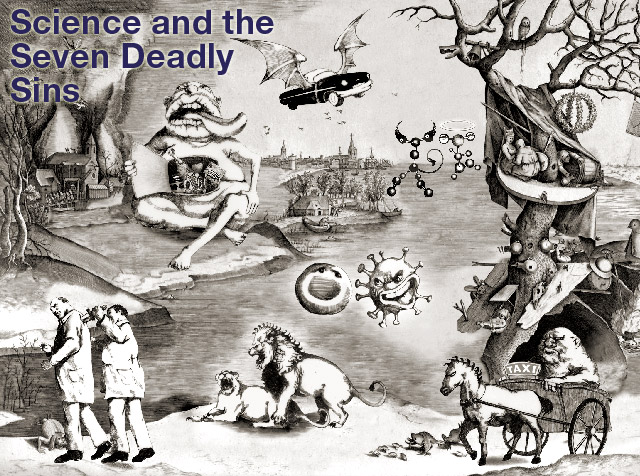
Was the movie Contagion more realistic scientifically than your average doomsday zombieland flick? Tonight at the New York Academy of Sciences, PopSci contributor David Quammen will lead an expert panel in addressing that question—and speculating what the next deadly viral outbreak may look like.

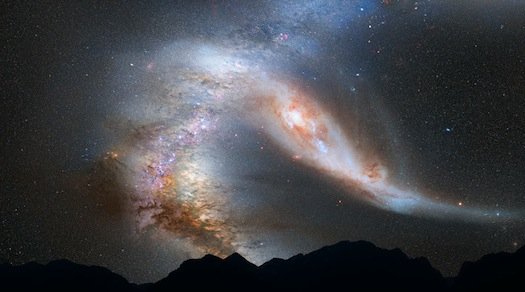
They're gorgeous images, published with convenient timing.
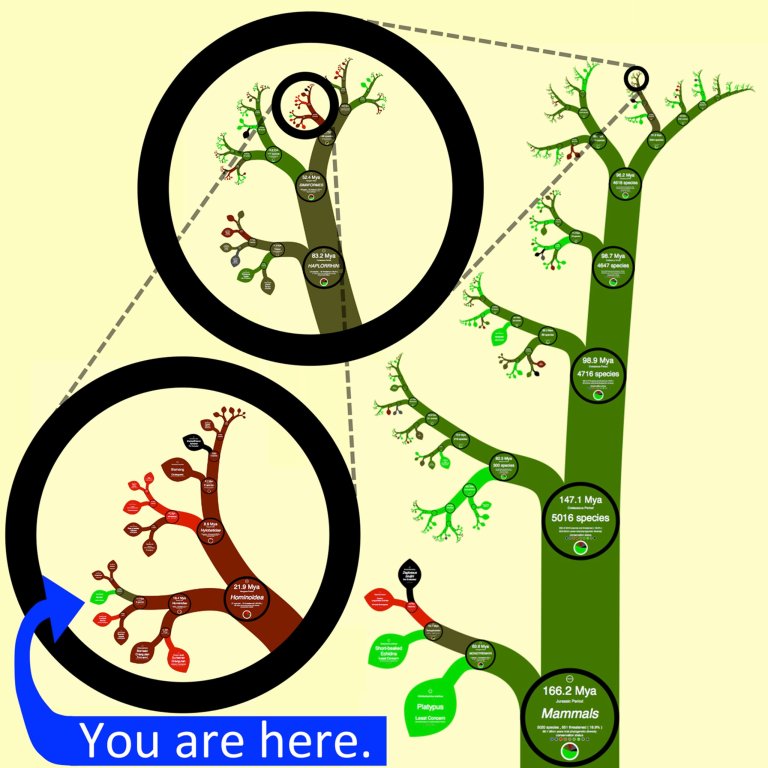
A new interactive website shows a phylogenetic tree of everything, as zoomable as Google Earth.

Whether to eat a treat now or save it for later depends on a child's worldview--which can be manipulated.
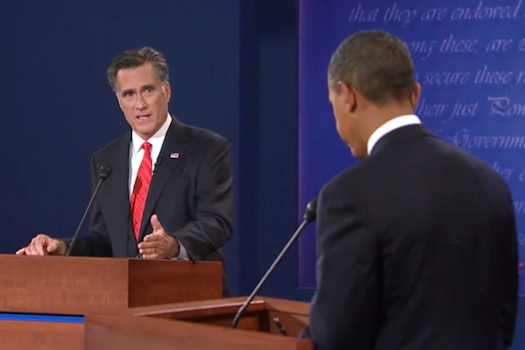
And what do voters really care about? The authors of "Democracy Despite Itself: Why a System That Shouldn't Work At All Works So Well" weigh in.

When the Navy needs to surprise and overwhelm an inland enemy, it can send in its new Zumwalt-class destroyer.

A Japanese invention allows you to send smells via phone. Sort of.
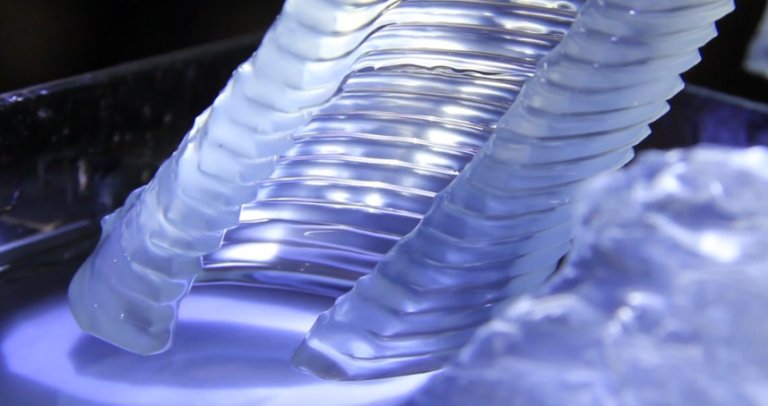
Blending a light-sensitive resin, an ultraviolet projector, and robotics to turn 3-D printing upside down.

A mathematical theory for the origins of ball lightning, one of atmospheric science's rarest and more confounding natural phenomena.
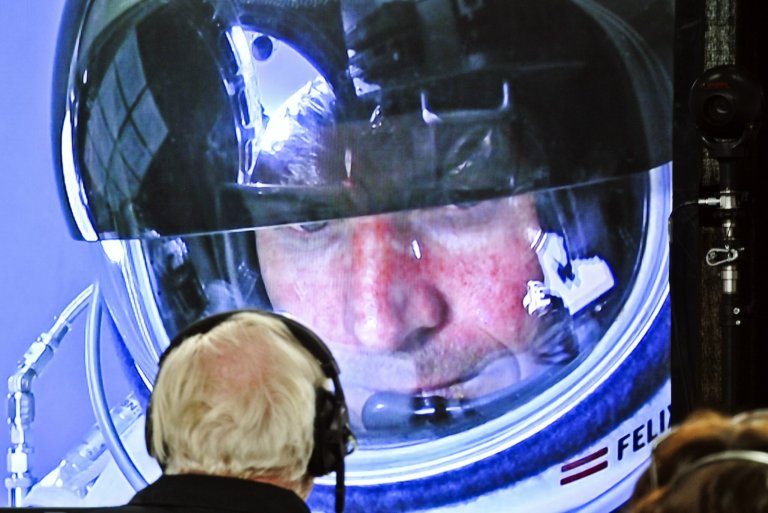
Felix Baumgartner skydived to a picture-perfect landing from 24 miles above the Earth on Sunday morning, tentatively setting three world records—but not before a hairy two-hour ascent. Here’s what happened with his helmet.

Theresa Klein talks about Achilles, the first machine to move in a biologically accurate way.