Host an unforgettable meal with science and a personal touch
Even if your food isn't great, dinner can still be memorable.


Even if your food isn't great, dinner can still be memorable.

COP26 had a devoted 'gender day,' but women are still underrepresented in climate policy discussions.
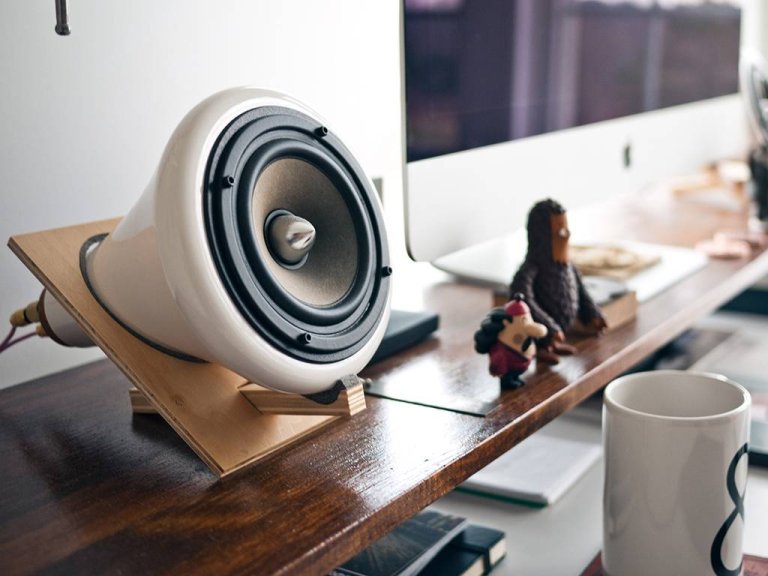

The US will spend billions on non-renewable energy sources over the next five years.
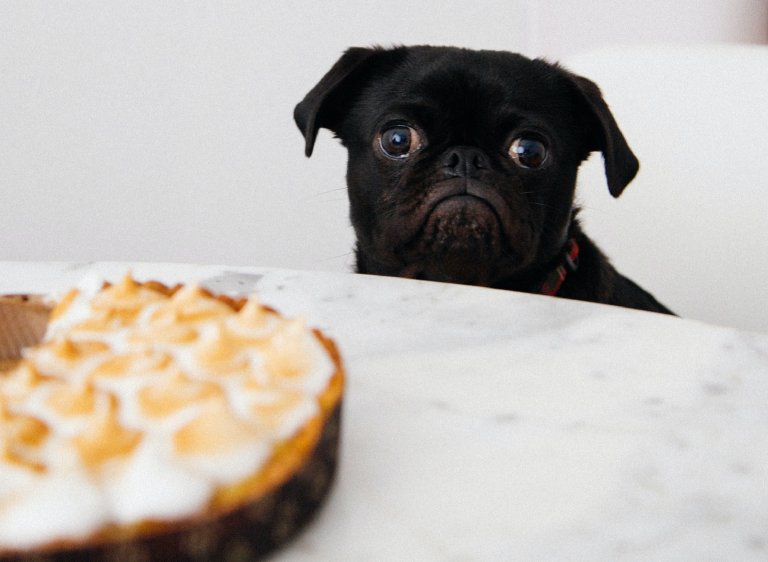
Hold the turkey skin and fatty gravy—your pet will thank you later.
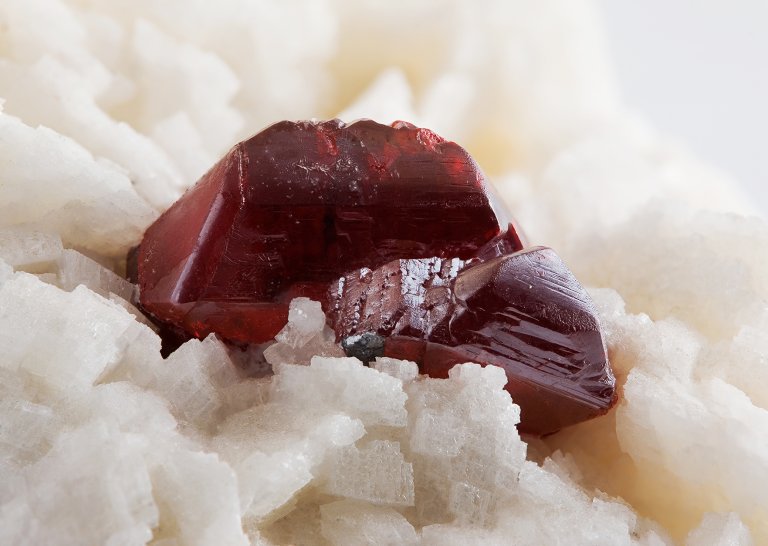
Making red pigment from cinnabar may have caused toxic exposures in prehistoric Iberia.
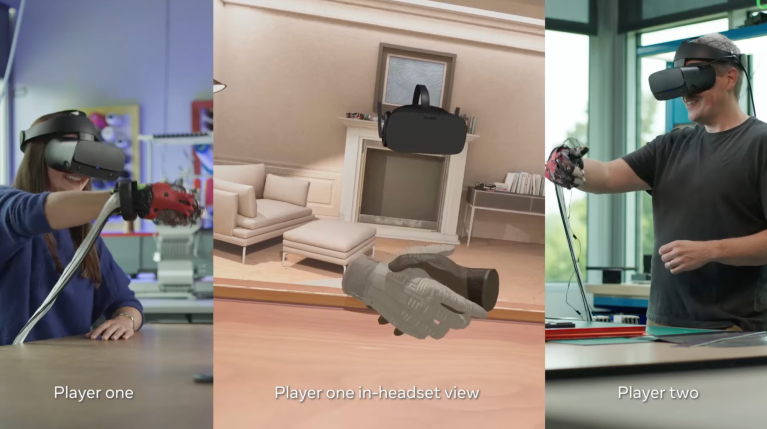
Seven years in the works, this tech has come a long way but is far from finished.
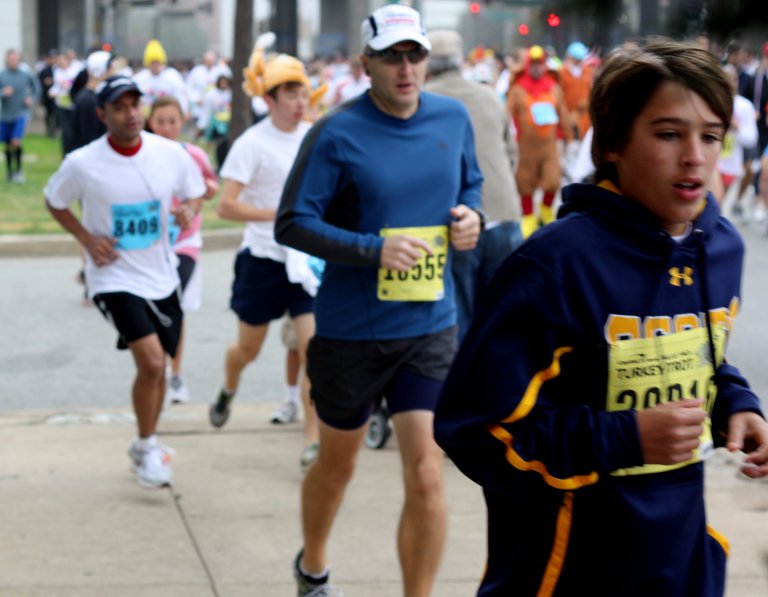
If you haven’t started preparing yet.


To zap bias from code, an MIT-developed curriculum teaches ethical concepts to youngsters.

Cars in the US will get a new update to a small but important feature.

Multiple experiments in a new study indicate certain kinds of information never enter working memory.
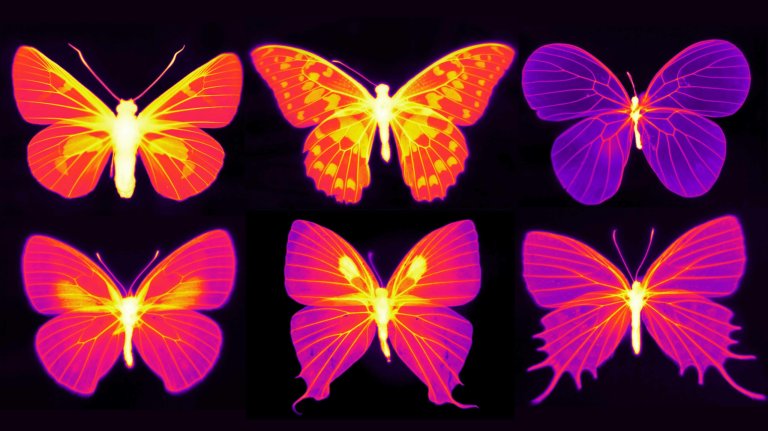
They contain “wing hearts” that pump blood and regulate temperatures.

One screen is better than two screens.
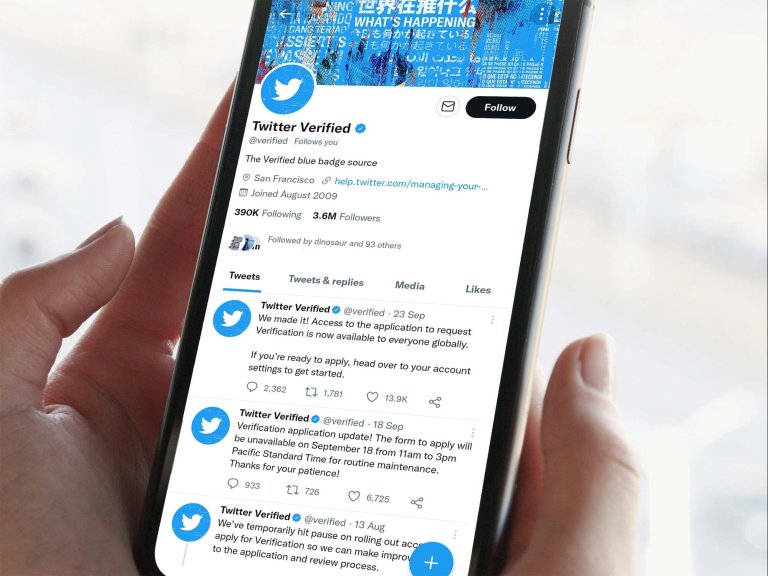
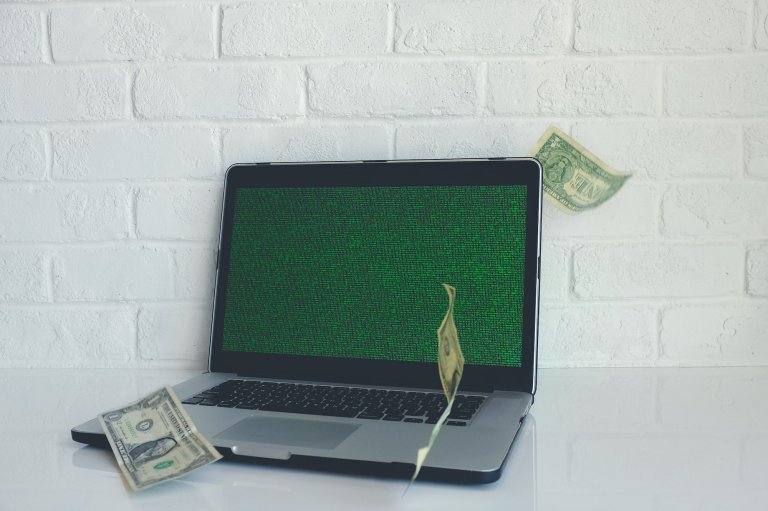
Funds from the infrastructure package are intended to help beef up US cyber defenses. Will it actually make a difference?
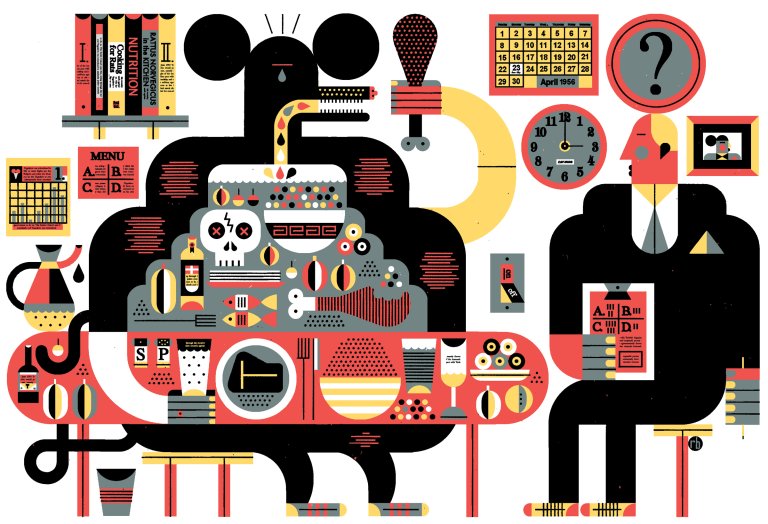
The biology of having just one more slice of pie.
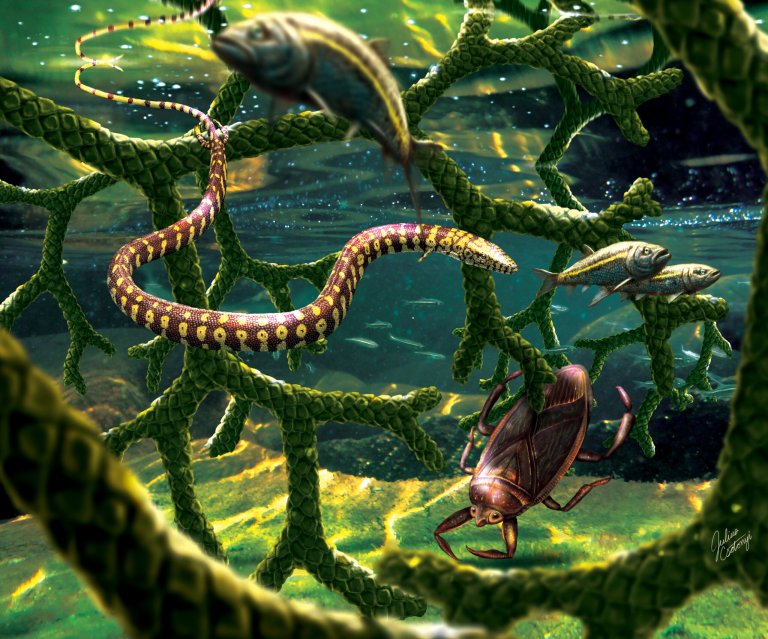
The ancient reptile resembled “chubby spaghetti”.
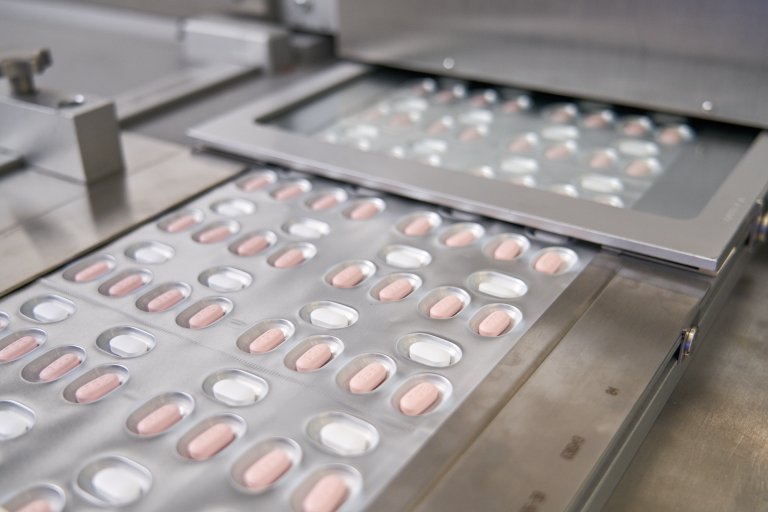
Plus: Boosting the world's supply of mRNA shots, an order for Pfizer's antiviral pill, and more.

Go full-on hands-free.