The Future Of Flight: Helicopters Will Fly Like Airplanes
Two new programs are coming to improve the U.S. Vertical Takeoff and Landing (VTOL) fleet.


Two new programs are coming to improve the U.S. Vertical Takeoff and Landing (VTOL) fleet.
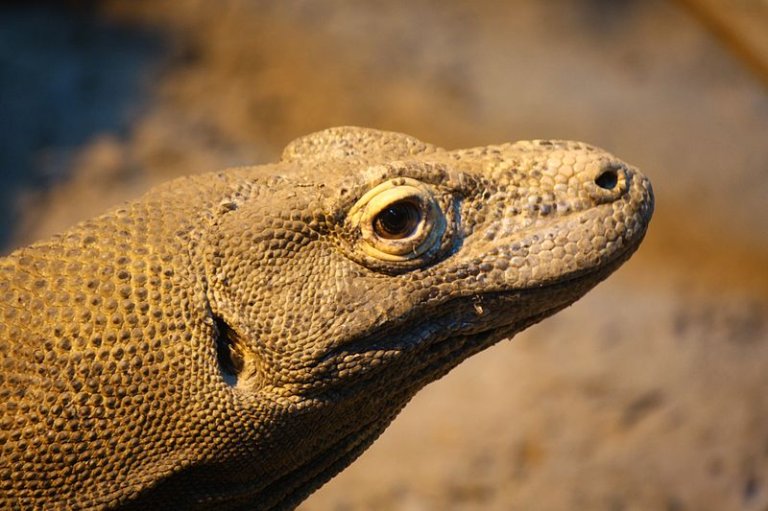
Surprising facts about the world's largest lizard.
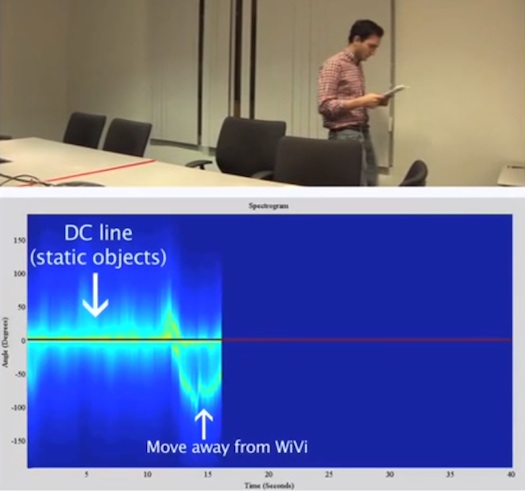
It's an experimental "x-ray vision" device that's designed with everyday users in mind.
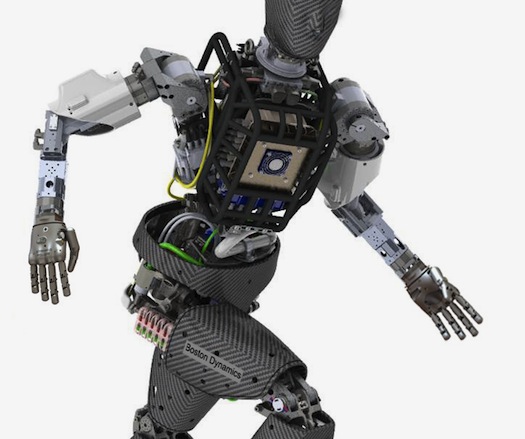
The DARPA-funded Gazebo simulation software could make robotics accessible to everyone.
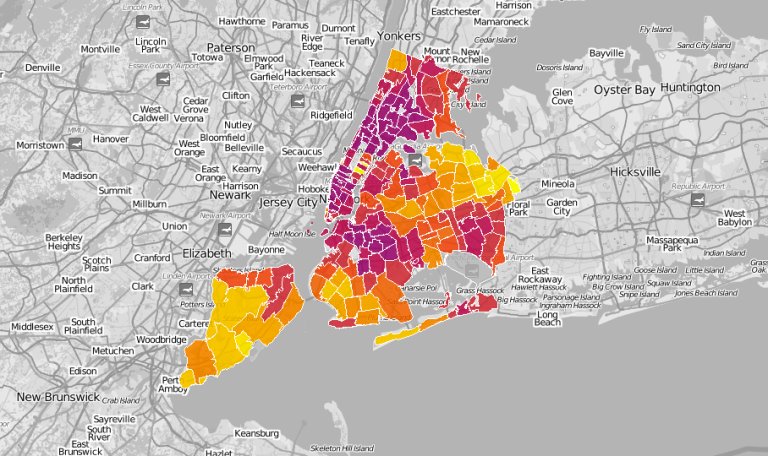
Researchers created a series of interactive maps that allow users to see AIDS data down to the county level--and see how that compares to race, health, and wealth.
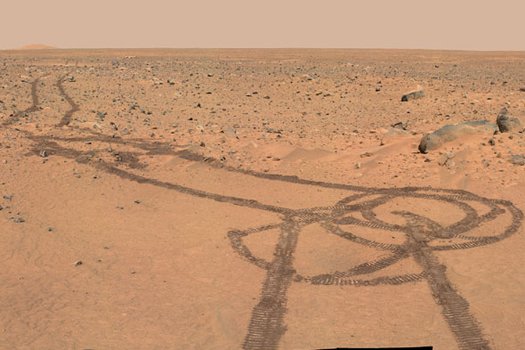
Two scientists say sterilization requirements for spacecraft are inhibiting research.
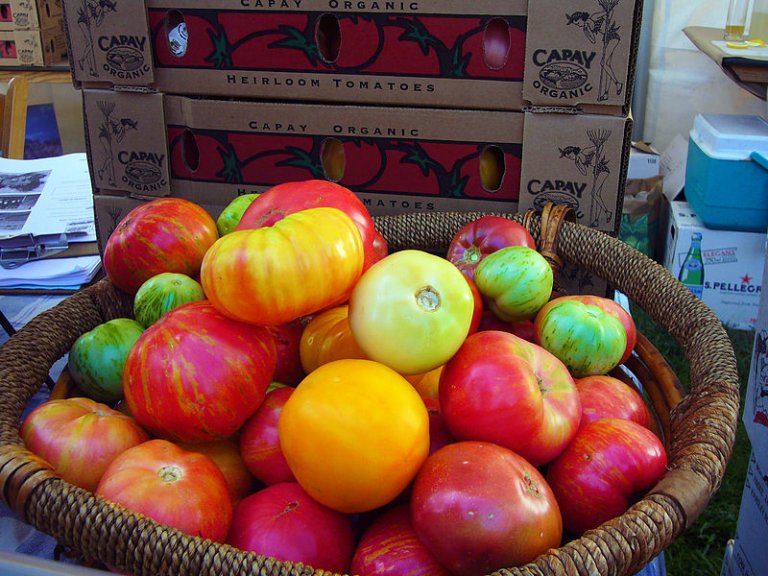
A complete genomic look at wild and domestic tomatoes might help us combine their strengths for an ultimate tomato.

What are police departments doing with all that data?
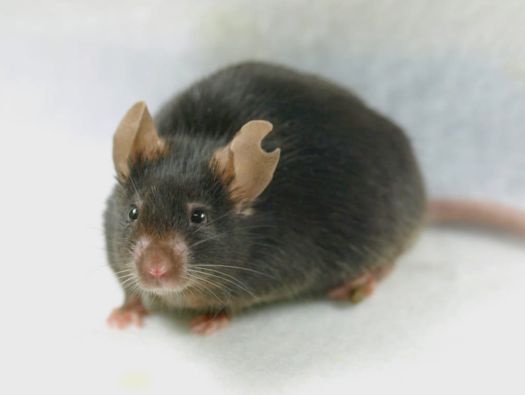
Scientists in Japan have been able, for the first time, to successfully clone a mouse from a blood sample drawn from a living donor's tail.

Fact-checking Edward Snowden's anti-spy technique
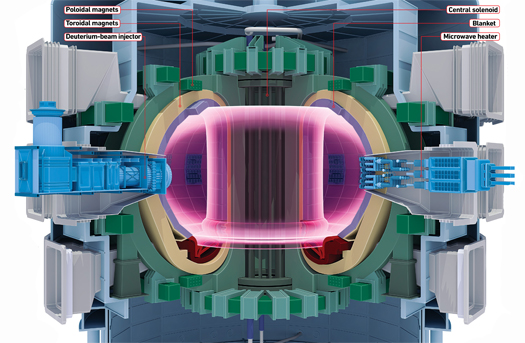
Many machines over the past 60 years have been billed as the one that will make the big breakthrough in fusion science, only to stumble. This one could be different.

It's also kind of a cheeky/good idea for a T-shirt.
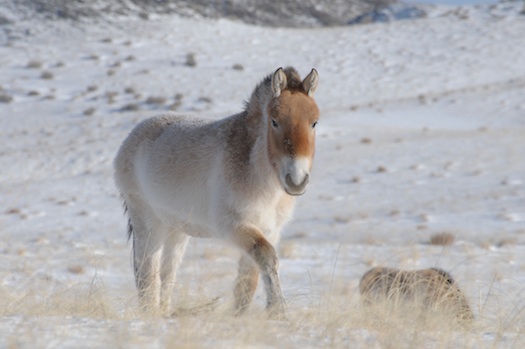
The oldest sequenced genome will help researchers understand horse evolution.
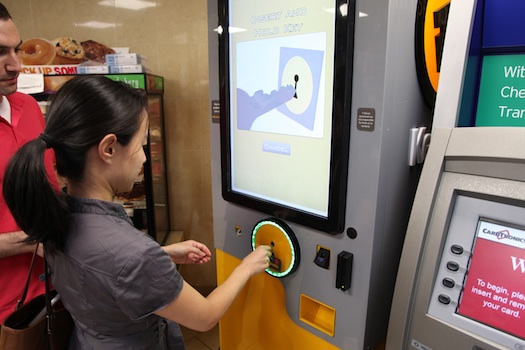
Self-serve robot locksmiths have arrived in New York City.

“The space-grown communities of bacteria, called biofilms, formed a ‘column-and-canopy’ structure not previously observed on Earth."--NASA

With the upcoming release of the major motion picture Europa Report, a couple of Jet Propulsion Lab scientists explain how science fiction has evolved in response to our growing understanding of space.
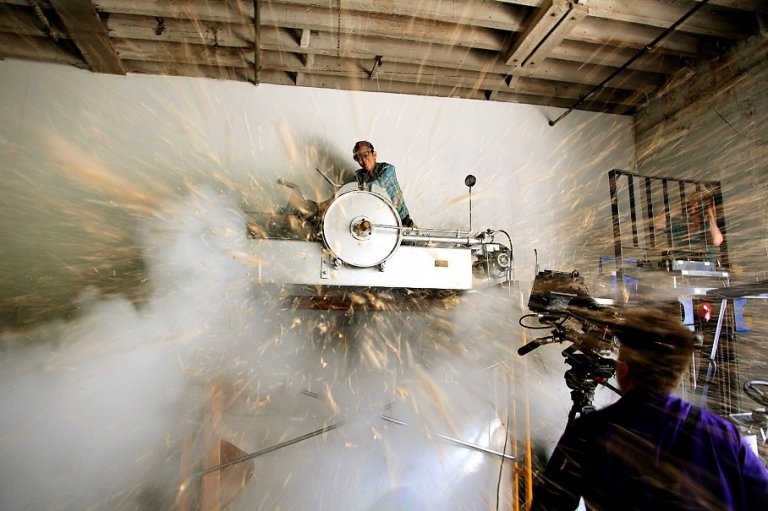
New York's Museum of Food and Drink unveils its first exhibit, with a bang.
![You May Soon be Riding on Tires Made of Plants [SPONSORED ARTICLE]](https://www.popsci.com/wp-content/uploads/2019/03/18/IELBWN7CTN3YQZXYKTAPNF4YPI.jpg?quality=85&w=585)