A Virus That Steals A Bacterium’s Immune System And Uses It As A Weapon
The arms race between bacteria and viruses just got a microscopic bit hotter.

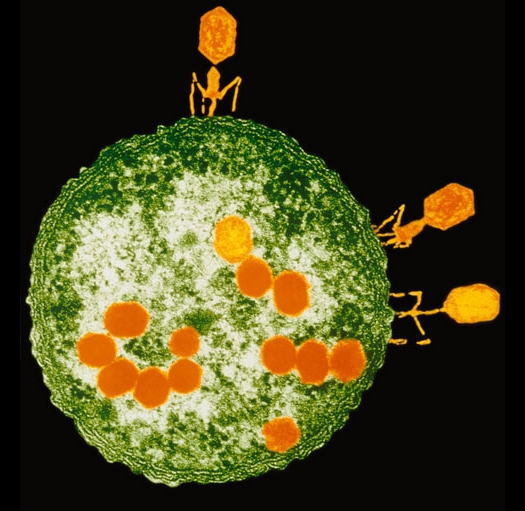
The arms race between bacteria and viruses just got a microscopic bit hotter.

This screen aspect ratio makes no sense. Embrace the squarer display!
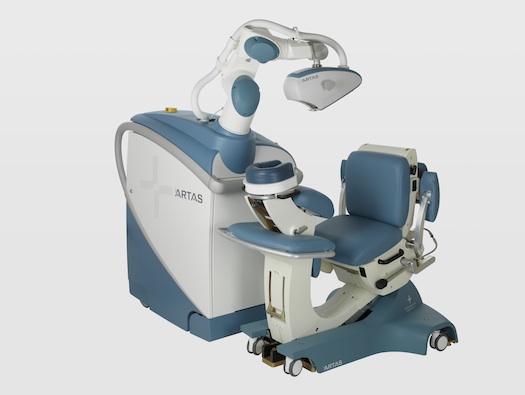
Could you use a few thousand hairs? This robot can find them.
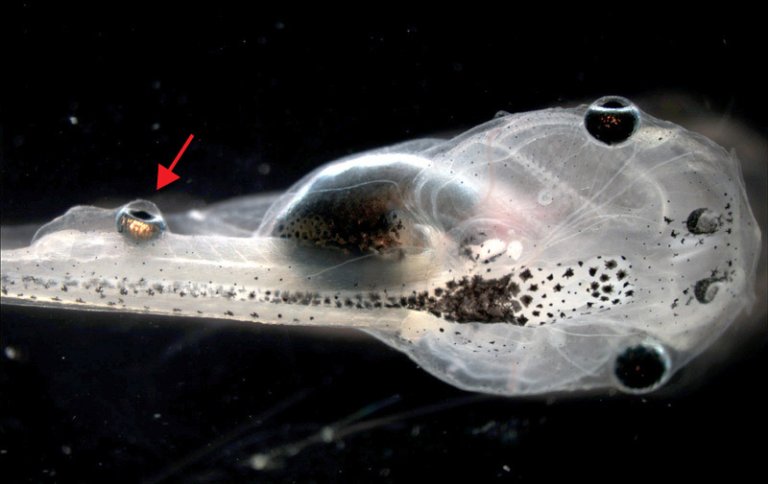
It turns out we seriously underestimated the central nervous system.

Like people choosing which path to take from the grocery store, bats develop preferred routes and remember them.

A crowd-funded 3-D printing project seeks to make a "some assembly required" gun part.

New telescopic findings help shed light on a black hole physics mystery.
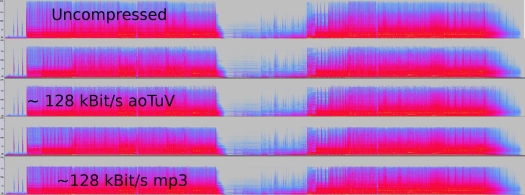
All of the compression algorithms are based on outdated understanding of how the human ear works.

The least crazy aspect of this mission is the desire to do it.


A Japanese woman has been recognized as the oldest woman on the planet, at age 114. Very impressive! But these six animals would scoff at a mere 114-year-old.
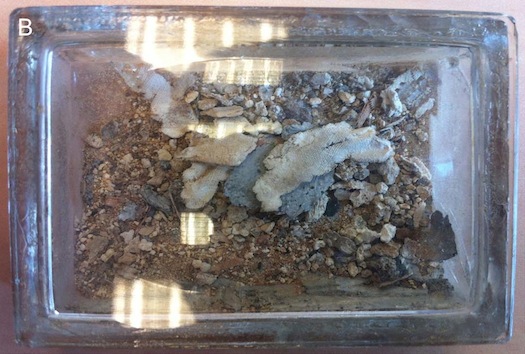
Charlier recently analyzed Richard the Lionheart's heart and an anonymous 13th-century cadaver, saying of the latter that it "was smoked, like salmon or like pork." Nom?
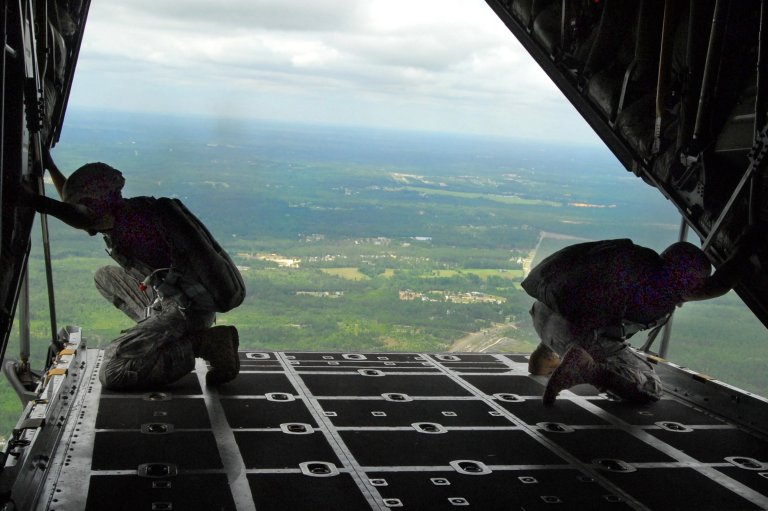
Seventeen years since retiring its last tank capable of air drop, the U.S. Army is in the early stages of developing a new one.

Finally, science solves that age-old question: How can I be more popular on the Internet?

The Chelyabinsk meteorite came from a well-known family of Earth-crossing space rocks known as the Apollo asteroids.
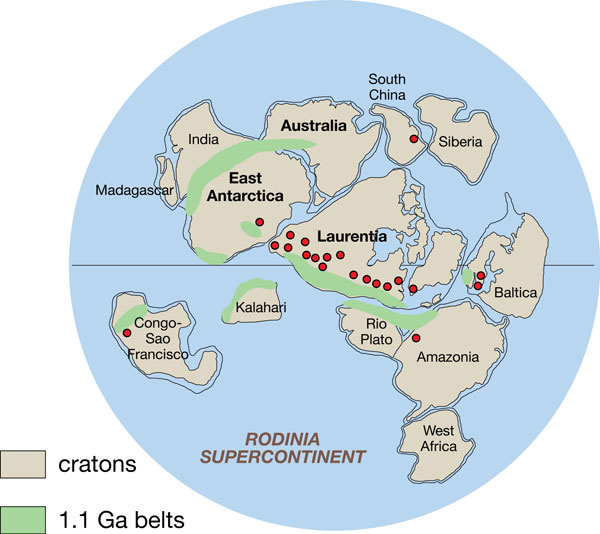
Fragments of an ancient microcontinent may have been hiding between the land masses now known as Madagascar and India.
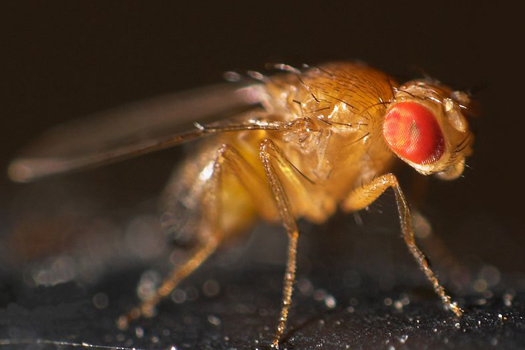
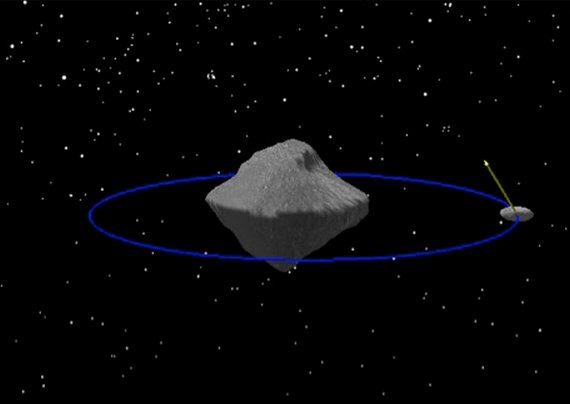
2022 mission to a double asteroid could be a trial run for a deflection mission.

Think of the children! Or at least the medical students—and their future patients.
