It’s not just you—everyone hates Instagram now. Here’s why.
This is what's going on with the Meta-owned social network.

This is what's going on with the Meta-owned social network.
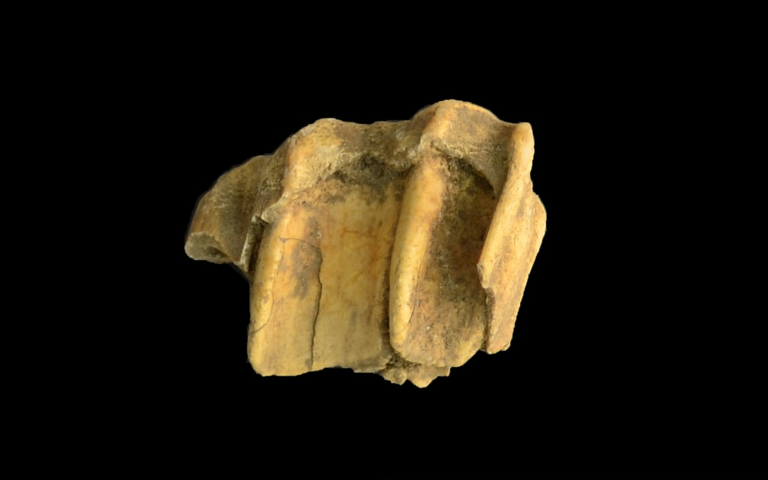
It was misidentified as a cow's at first, but then turned out to be from one of the oldest horses in the Americas.
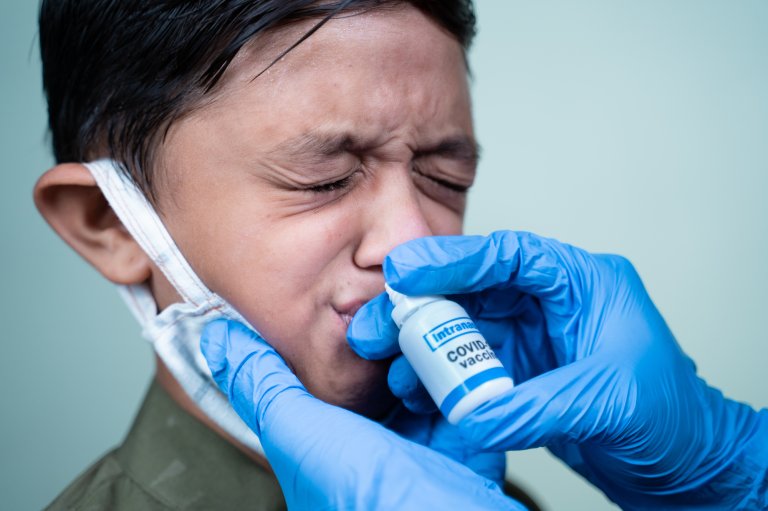
New COVID vaccines should halt variants in their tracks. But the US government hasn't committed resources just yet.

The industrialist's dream of agricultural-industrial micro-grids did not turn out the way he imagined.

It's a huge first step in Native Hawaiians' fight to regain stewardship of Mauna Kea, the planned site for the Thirty Meter Telescope.
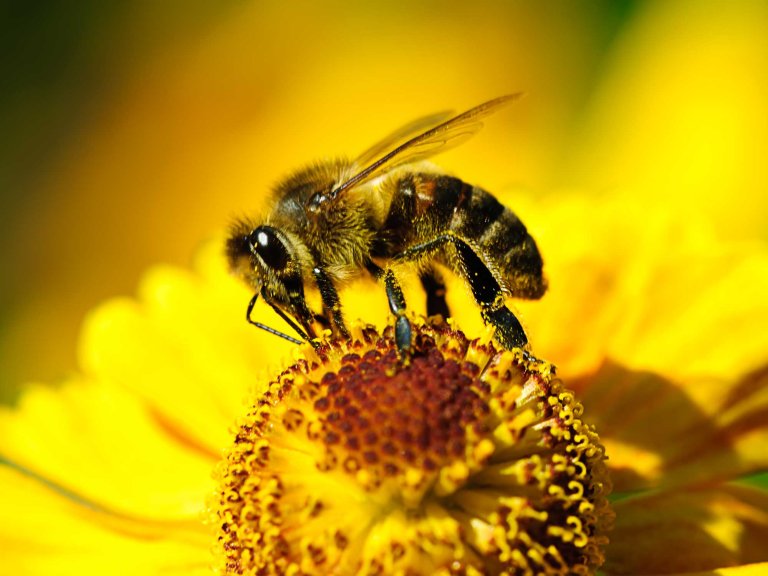
Some scientists want to grant more invertebrates ethical consideration, questioning long-held assumptions on consciousness.
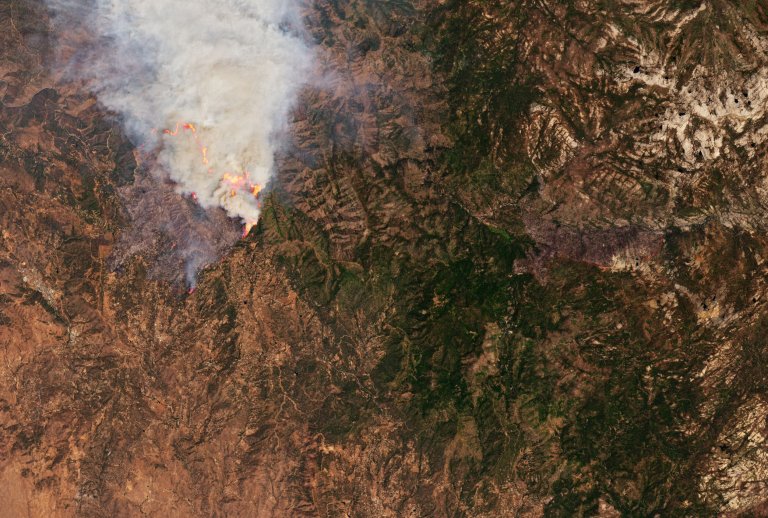
This part of Mariposa County, hardest hit by the fire, hasn't burned in a century.
Culling your old photos can be truly cathartic.

With models for every lifestyle, the best budget smartwatch tracks more than it lacks.
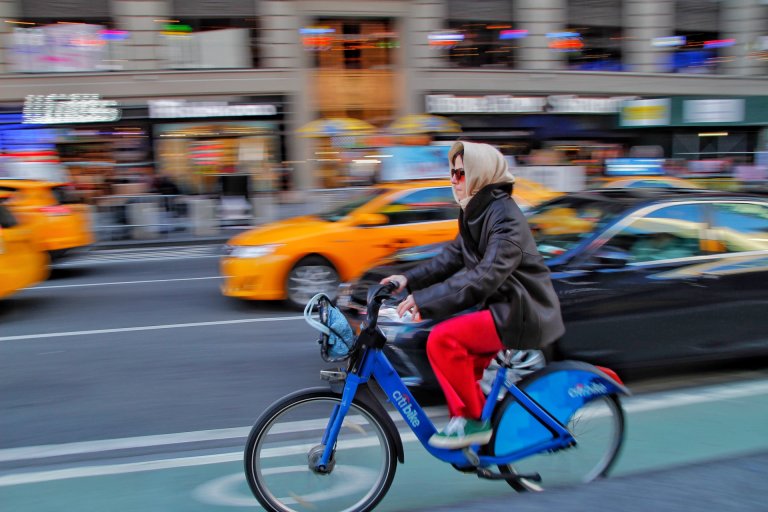
A bill in New York state is betting on it. If passed, it would be the first of its kind in the nation.

See the gas giant's nearly invisible rings thanks to NASA's powerful new space telescope.
You paid a lot to get into the theater, make sure it's worth the price of the ticket.
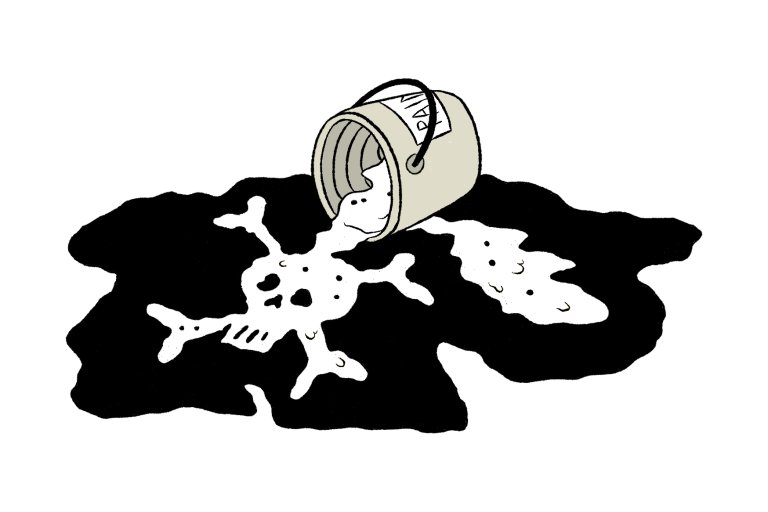
A prized industrial product since the birth of America, the heavy metal has created a costly, pervasive, and deadly mess.
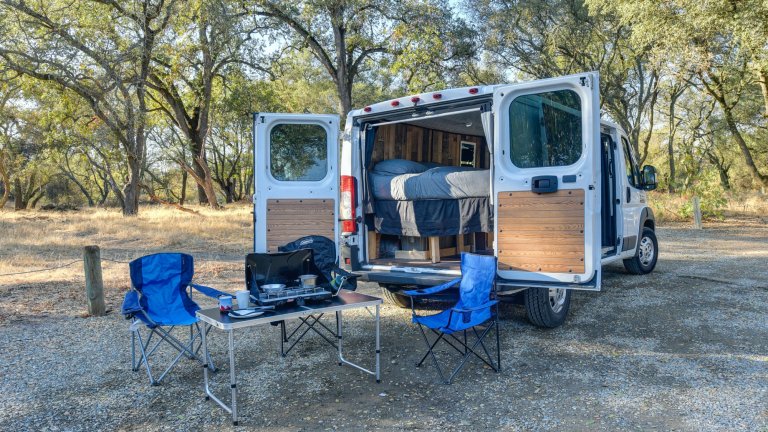
Packing a van that you live in is a lot different from packing a van for a road trip.
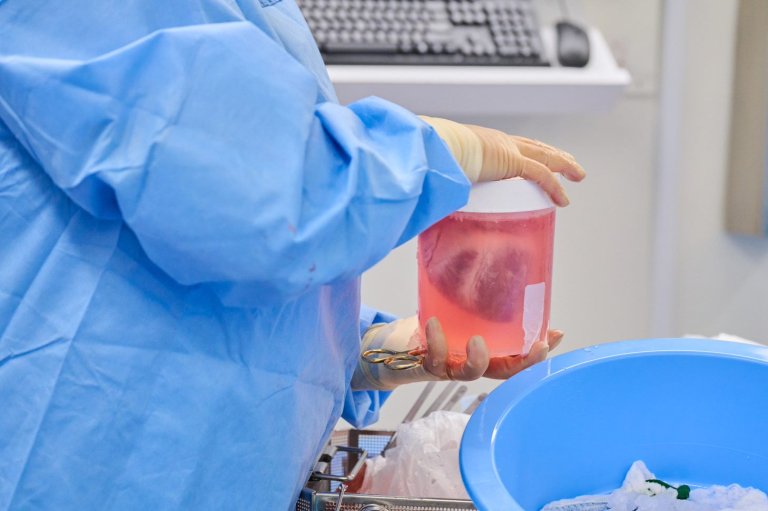
After a pioneering patient contracted an infection earlier this year, animal-to-human transplant researchers are sharpening their tools.

As waters warm, unpredictable salmon returns leave some Alaskans with an abundance of salmon, and others with none.
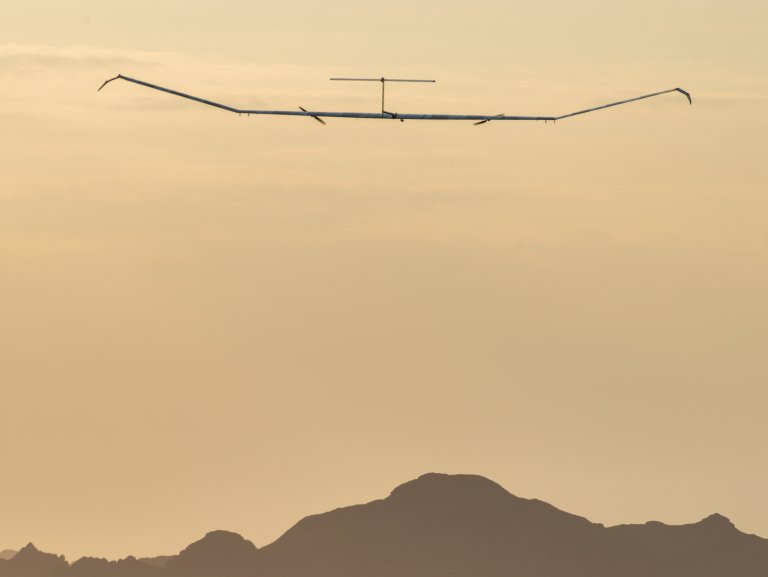
The Zephyr is designed to be able to spend very long periods of time in the stratosphere.

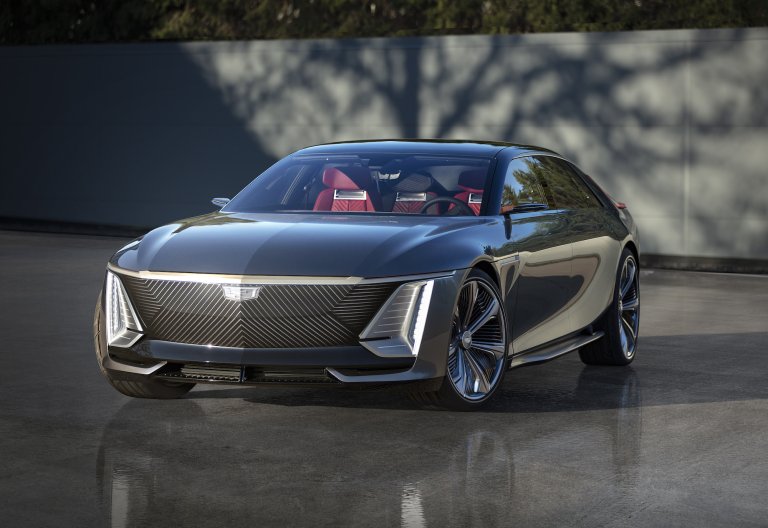
The forthcoming Celestiq will be very expensive, luxurious, and powerful. Here's what it says about where Cadillac has been—and where it's headed.

Shopping sustainably is hard—but thoughtful price changes can nudge people in the right direction.