12 Beautiful Photos Of Google’s (Problematic) Data Centers
They're gorgeous images, published with convenient timing.

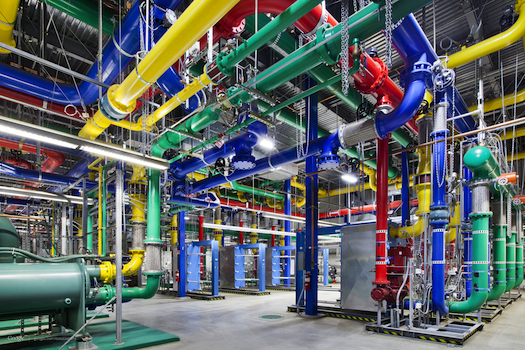
They're gorgeous images, published with convenient timing.
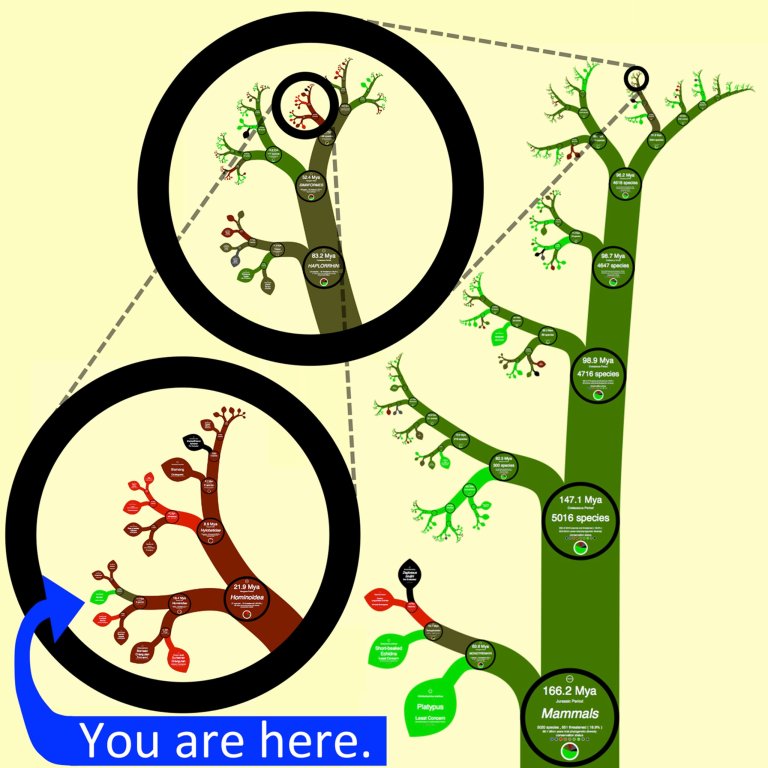
A new interactive website shows a phylogenetic tree of everything, as zoomable as Google Earth.

Whether to eat a treat now or save it for later depends on a child's worldview--which can be manipulated.

And what do voters really care about? The authors of "Democracy Despite Itself: Why a System That Shouldn't Work At All Works So Well" weigh in.

When the Navy needs to surprise and overwhelm an inland enemy, it can send in its new Zumwalt-class destroyer.

A Japanese invention allows you to send smells via phone. Sort of.
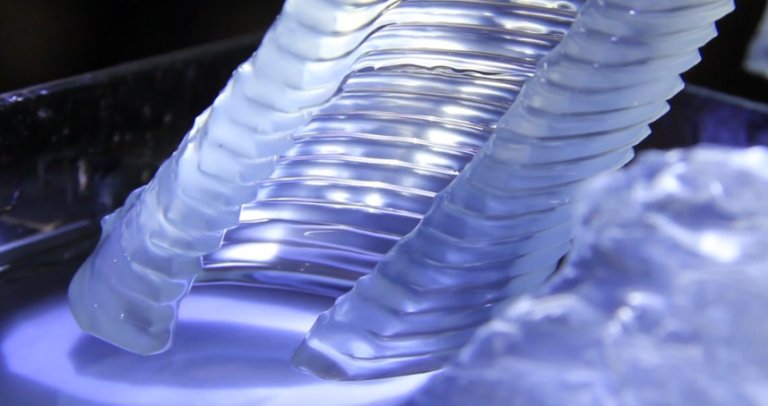
Blending a light-sensitive resin, an ultraviolet projector, and robotics to turn 3-D printing upside down.

A mathematical theory for the origins of ball lightning, one of atmospheric science's rarest and more confounding natural phenomena.
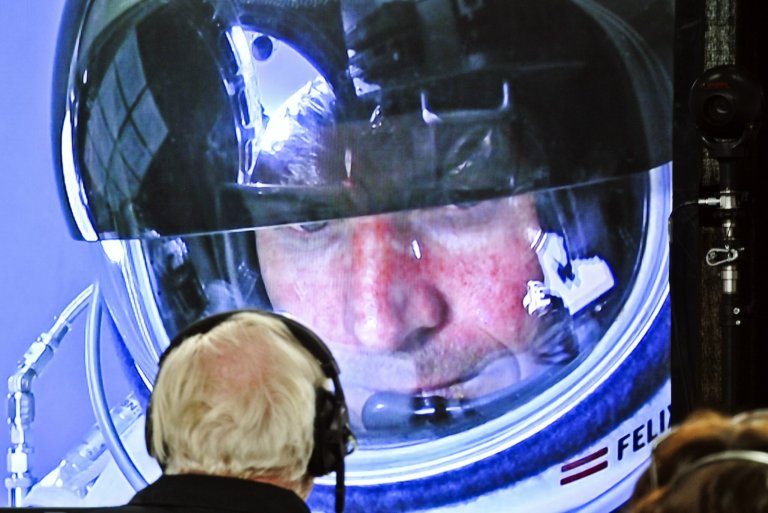
Felix Baumgartner skydived to a picture-perfect landing from 24 miles above the Earth on Sunday morning, tentatively setting three world records—but not before a hairy two-hour ascent. Here’s what happened with his helmet.

Theresa Klein talks about Achilles, the first machine to move in a biologically accurate way.

3:02pm MDT - And that's a wrap on press conference. Tune in tomorrow for a story featuring more of what the team had to say.
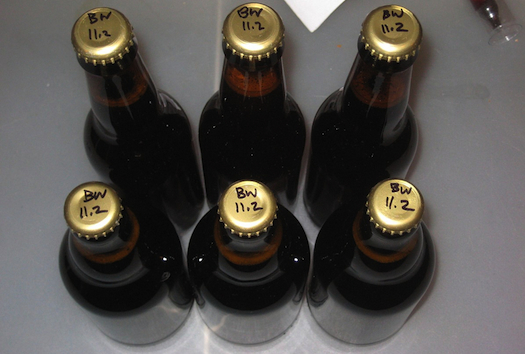
Our trusty BeerScientist introduces a recipe for the Mild Marathon ale, using some of the year's most plentiful hops.
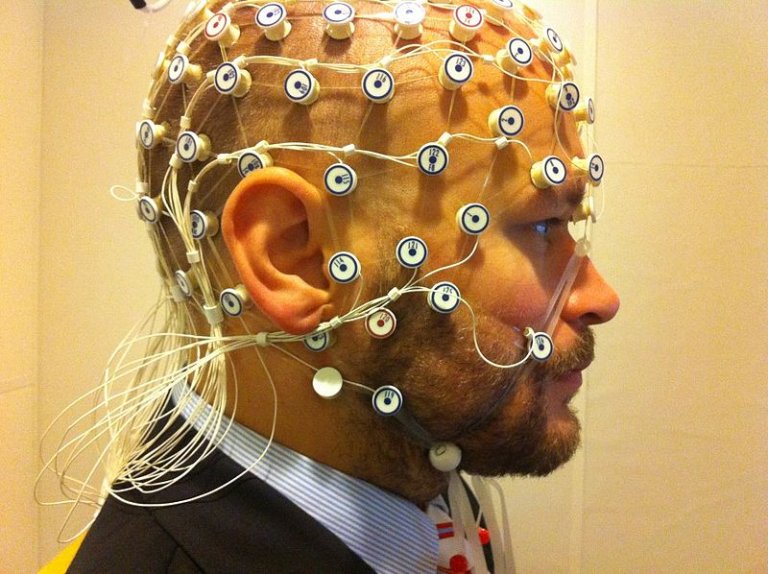
DARPA wants help coming up with new Grand Challenges to expand the abilities of humans. So we made them a list.

No surprise: performance enhancers enhance performance. But they might not give me the instant mountain-scaling boost I want.
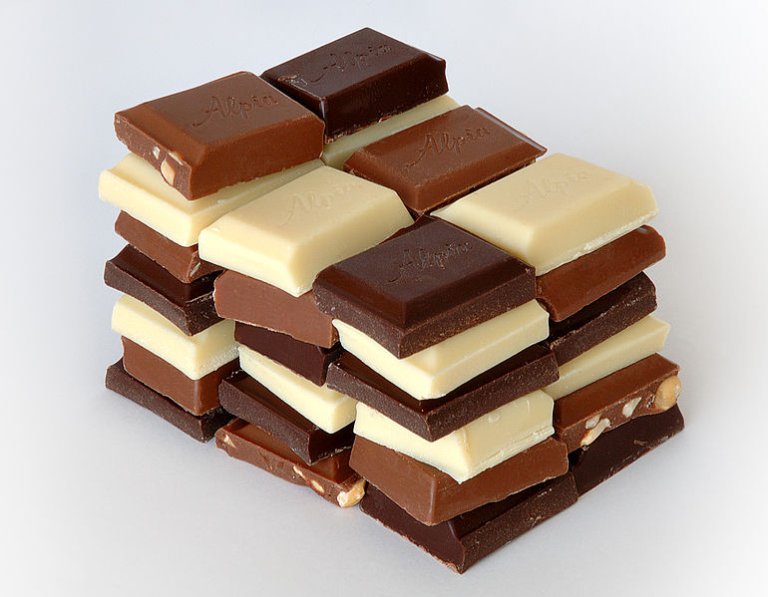
But not really. A research paper shows how perfectly verified statistical results can still be perfectly wrong.
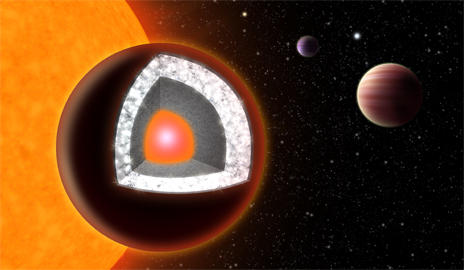
New research says the planet has no water and is made primarily of carbon. It also shows that planets can be more complex to study than stars.