BeerSci: How To Brew A Beer For Surviving A Marathon, The Holidays Or Anything, Really
Our trusty BeerScientist introduces a recipe for the Mild Marathon ale, using some of the year's most plentiful hops.

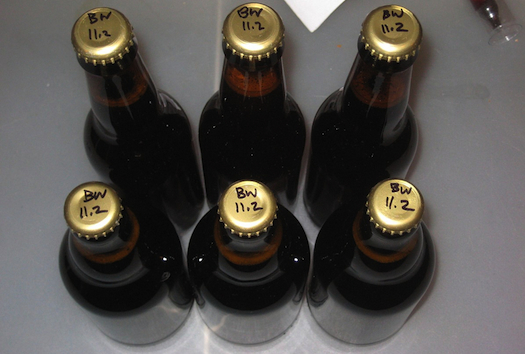
Our trusty BeerScientist introduces a recipe for the Mild Marathon ale, using some of the year's most plentiful hops.
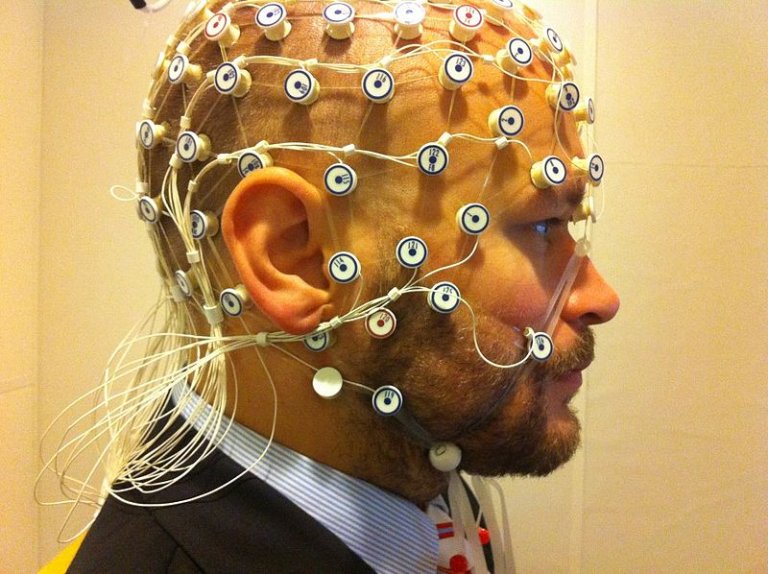
DARPA wants help coming up with new Grand Challenges to expand the abilities of humans. So we made them a list.

No surprise: performance enhancers enhance performance. But they might not give me the instant mountain-scaling boost I want.

But not really. A research paper shows how perfectly verified statistical results can still be perfectly wrong.
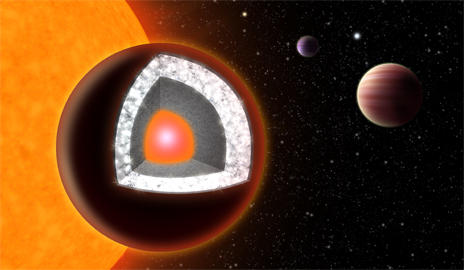
New research says the planet has no water and is made primarily of carbon. It also shows that planets can be more complex to study than stars.
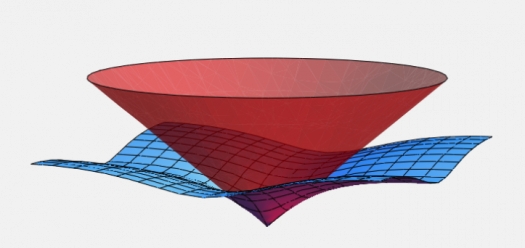
A team of researchers is going down the theoretical rabbit hole with a test to find out if our universe is nothing more than a computer program.

The simple tricks to fool Earth-evolved humans into living on Mars time.

A rare form of meningitis has infected more than 200 people and claimed 15 lives. Are you at risk? And how did the outbreak start in the first place?

A Philadelphia robotics startup is blazing trails in the nascent unmanned systems industry by focusing on technology, and ignoring the killer app.

A Stanford professor is trying to teach doctors and scientists how to write manuscripts that aren't dusty and jargony.

On Friday, a single mysterious program was responsible for 4 percent of all stock quote traffic and sucked up 10 percent of the NASDAQ's trading bandwidth. Then it disappeared.
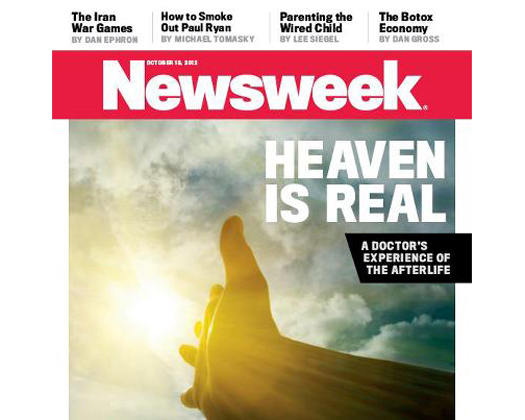
This week's Newsweek proclaims that "Heaven Is Real"--a neurologist concludes it after a near-death experience. But how much do we know about those experiences?
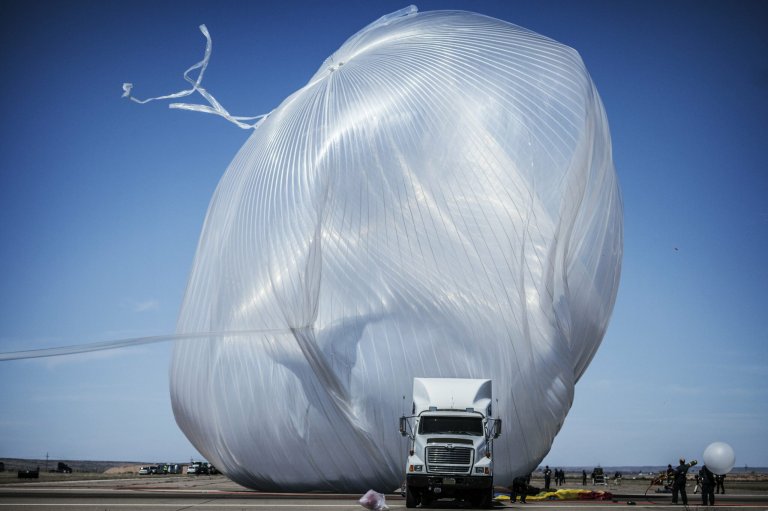
Yesterday's 23-mile skydive was delayed by gusty wind, but that's just one variable that can shut down a high-altitude ballooning mission. Many people have tried, and failed, to break Joe Kittinger’s record for the highest skydive in the past. Here’s why it’s so hard to pull off—and why Felix Baumgartner just might do it yet.
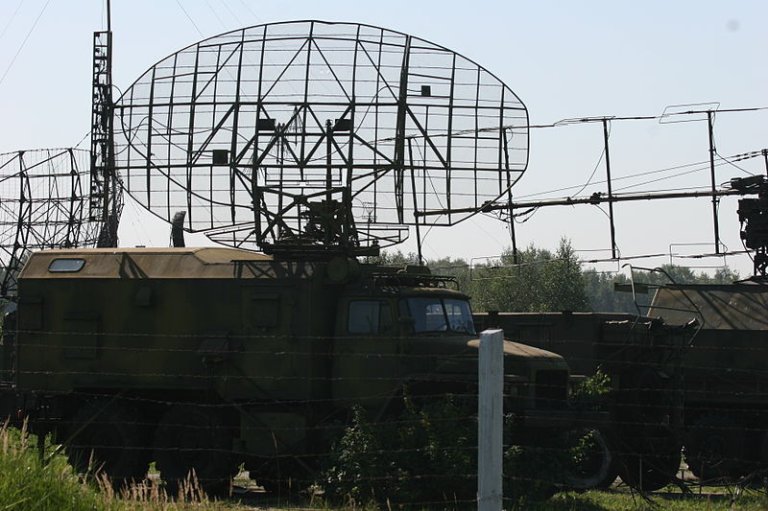
In the latest Apple Maps dust-up, Taiwan asks Apple to kindly blur public images of its billion-dollar top-secret radar facility. But is Apple obligated to comply?
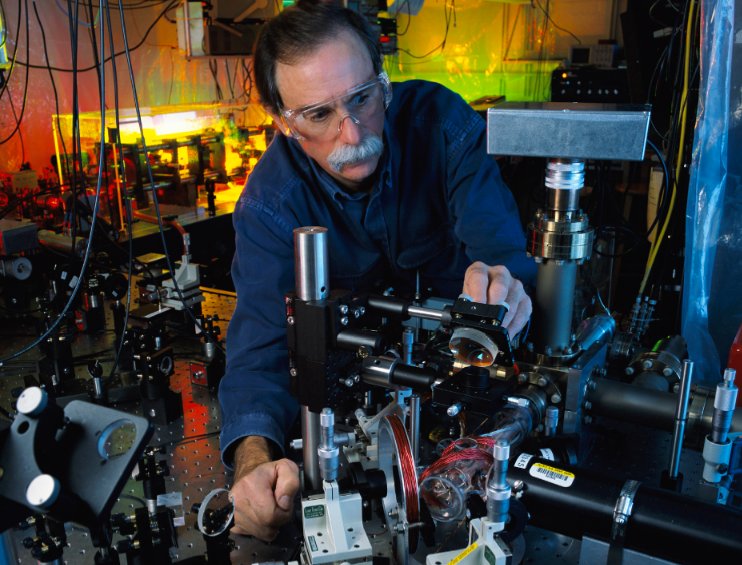
Serge Haroche and David Wineland have figured out how to measure quantum systems without disturbing them, enabling the first steps toward quantum computers.
"The reality is we have a person's life at stake, so our primary concern is making sure conditions as safe as possible to get in the air."
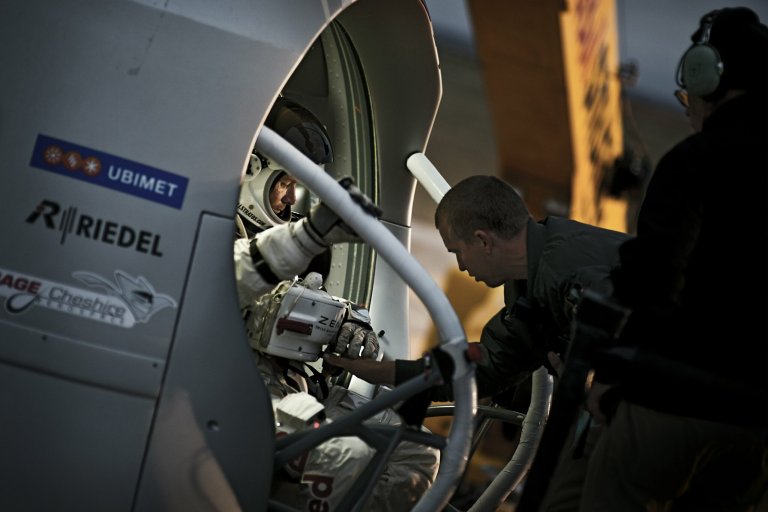
The predawn hours are dark and still at the Roswell International Air Center, where today Felix Baumgartner and the Red Bull Stratos team are preparing for his 23-mile-high skydive. There's currently a weather hold due to high winds at 800 feet. Once that hold lifts, here’s the play-by-play of how the morning should unfold from the project’s technical director Art Thompson.

Yevgeny Salinder found an extraordinarily well-preserved fossil in northern Russia (complete with its 1.5-meter-long penis intact!).

Roswell, New Mexico, was the drop zone for some of the first high-altitude skydives, precursors to Baumgartner's record-setting dive scheduled for Tuesday. Here, from the archives of the UFO Museum, is a look at those early government efforts--and how they created a public panic.