‘Placebo Sleep’ Can Improve Cognitive Skills
If you tell people they slept better than they did, they are likely to perform better on math and word association tests.

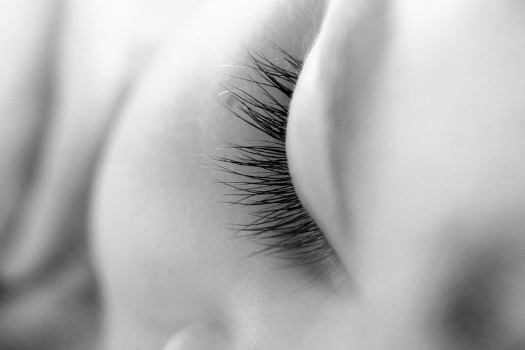
If you tell people they slept better than they did, they are likely to perform better on math and word association tests.
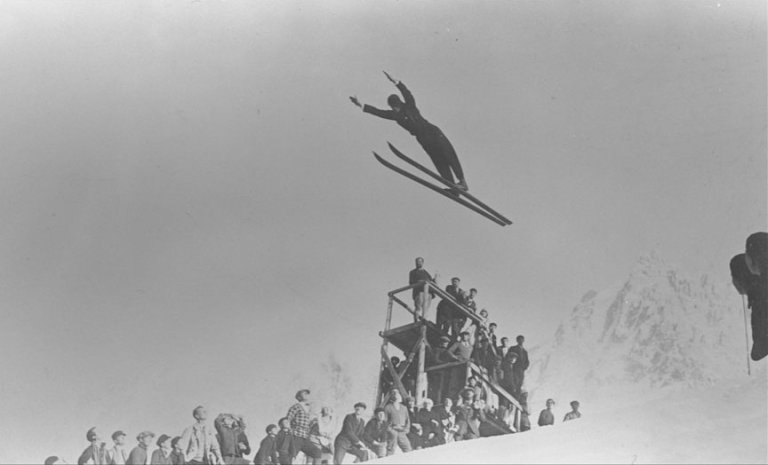
How climate change will make the Games impossible for certain cities.
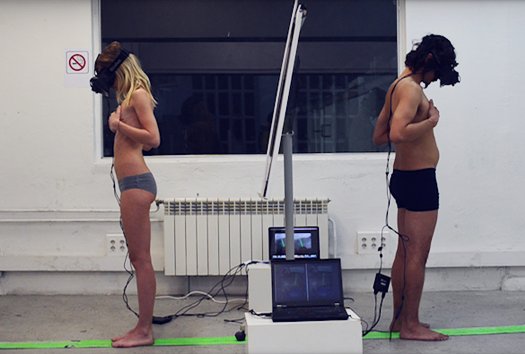
Could virtual reality help us step into the shoes of someone else?

How Carl Bass, the CEO of Autodesk, is shaping the maker movement—from his garage.
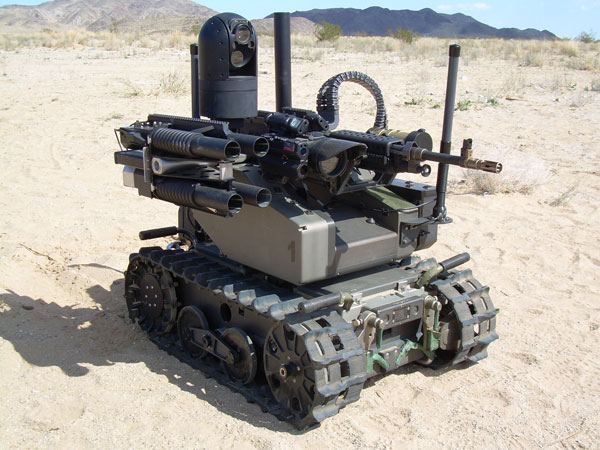
Be all the cyberman you can be.
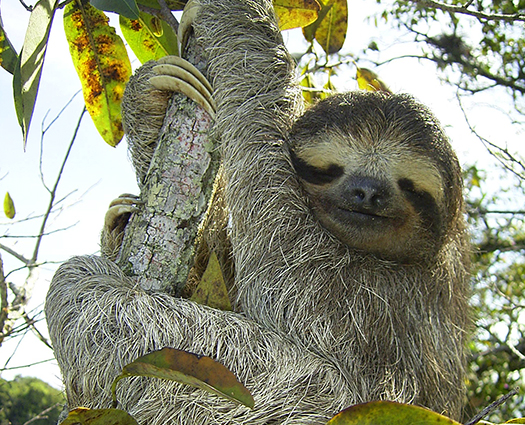
Microbes living in the beasts' coats could be deadly to malaria and cancer cells.
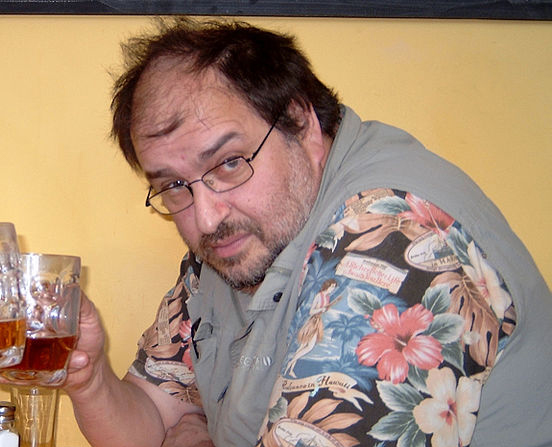
The pseudonymous Isis the Scientist had her name revealed after a confrontation on Twitter.

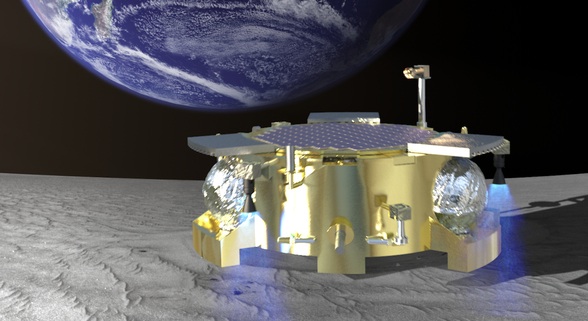
The Lunar Lion is designed to land and then take off again across the surface of the moon.
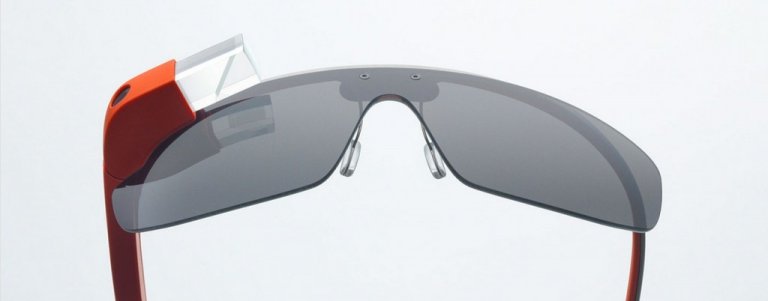
A new bill would make it illegal to wear Google's "extremely dangerous technology" while driving.
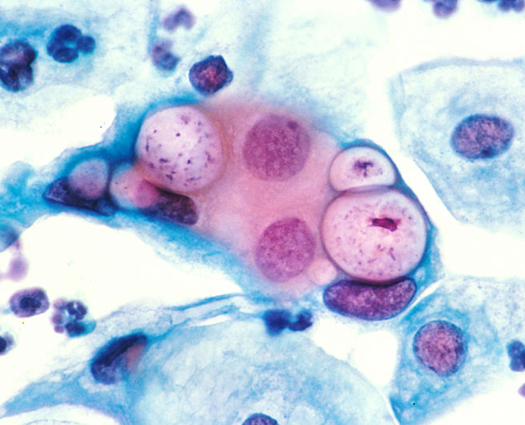
Testosterone use is one of the factors contributing to unsatisfactory Pap tests.
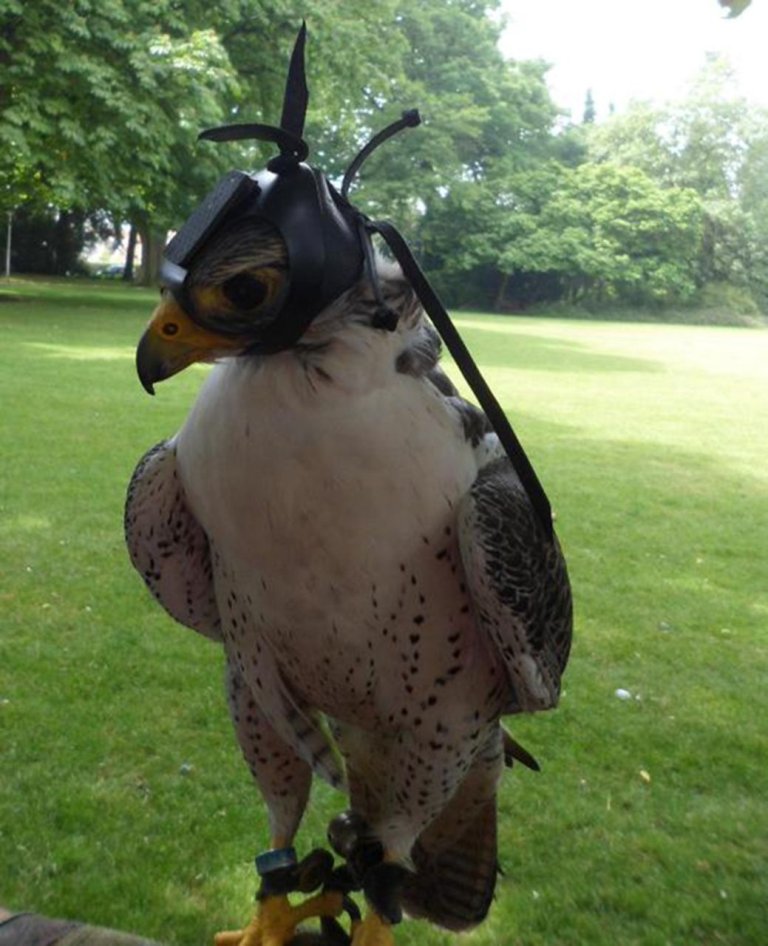
Getting minor panic attacks for these crows

Rain, drought, and temperatures broke records in locales nationwide