The monarch butterfly is scientifically endangered. So why isn’t it legally protected yet?
The migratory monarch butterfly was flagged as endangered on the IUCN Red List, but federal protection in the US is still up in the air.


The migratory monarch butterfly was flagged as endangered on the IUCN Red List, but federal protection in the US is still up in the air.

The US still uses Cold War-era tech to calibrate vacuums for manufacturing. Is there a more precise (and fun) option out there?

It’s a plane, it’s a train, it’s the hyperloop FluxJet from TransPod.

Meta asked the internet to help with a new chatbot last Friday. So far, it’s a disaster.


Reconstructing the visual proteins from whales’ early ancestors suggests they were deep-sea divers. The clever technique could help scientists understand the capabilities of other extinct species.

When you know where to look, finding something to watch or listen to is so much easier.

Together, these policies can fund pressing change on an urgent timeline.

A Navy fuel facility sitting above Oahu’s biggest freshwater system has been flooding the surrounding landscape with toxins for decades. Now Red Hill is finally being forced to shut down.

It's cleared for deployment.
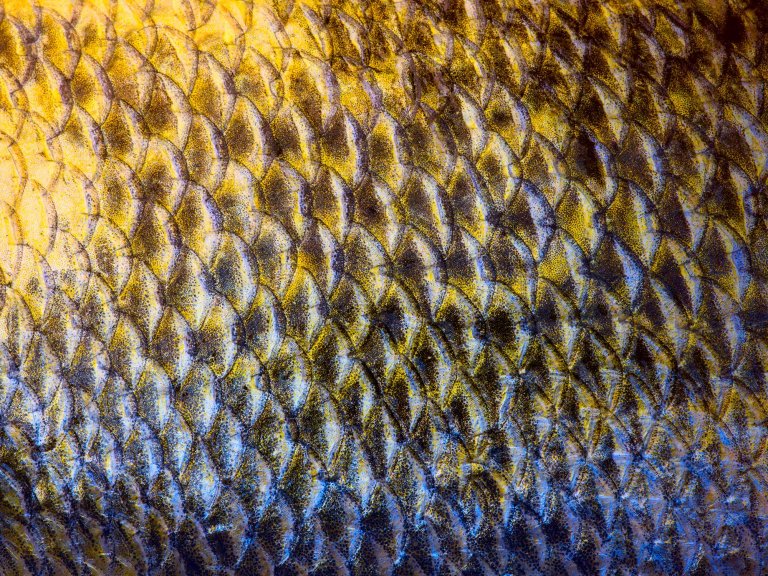
Scientists discover that fish scales sourced from fish waste can be turned into the nanostructures that are used to make LEDs.
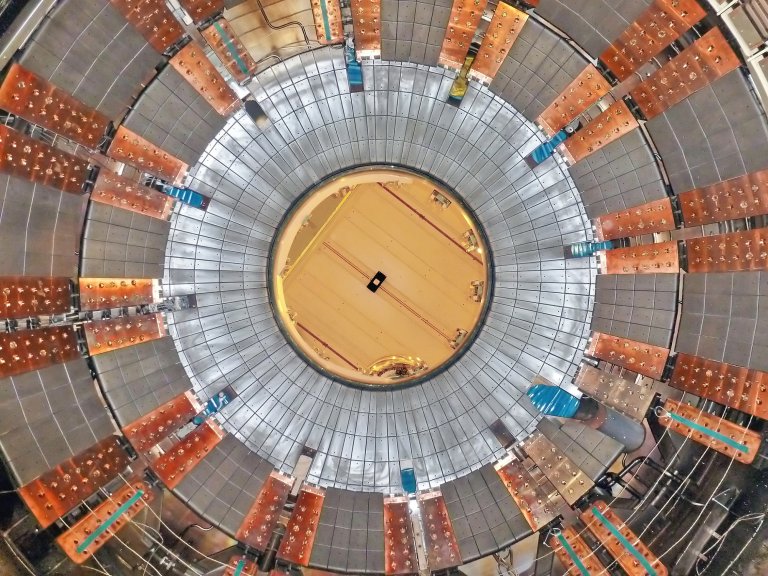
Most fusion experiments take place in giant doughnut-shaped reactors. Physicists want to test a smaller peanut-like one instead.

The world’s least understood ignition source is causing devastating wildfires across Montana’s Powder River Basin.
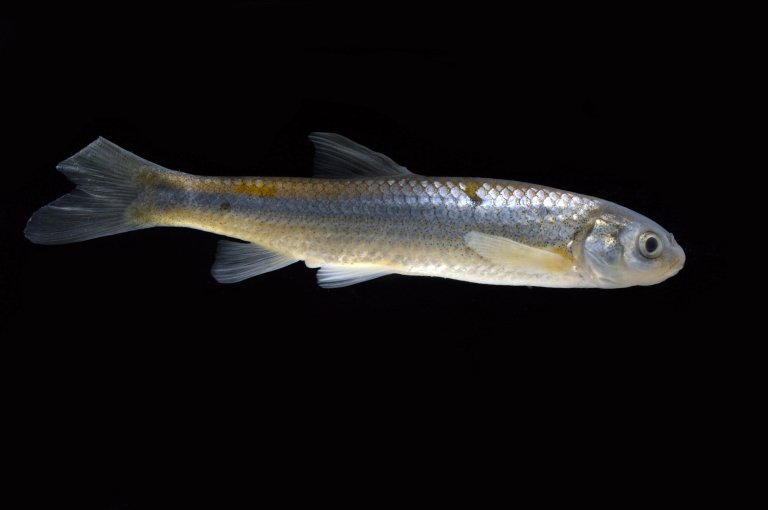
The Rio Grande silvery minnow represents a river system that no longer has enough water for everyone's needs.

Carnegie Mellon researchers are working on an artificial intelligence system that can land an aircraft. Here's how made trained it.

An exercise physiologist explains what those tight little lumps are and how to get rid of them.

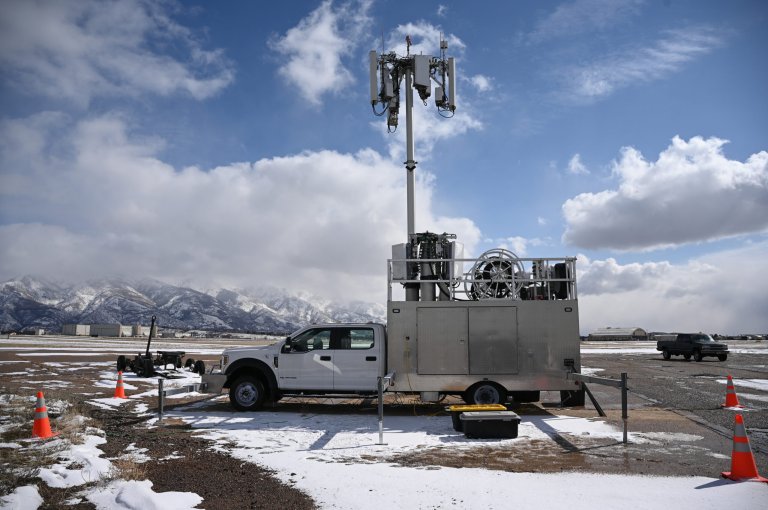
What to know about Forward Operating Bases, and how 5G networks can come into play on a battlefield.

The subscription mashup is already causing havoc.

Make your remote work for you.