Flickering light could help astronomers weigh supermassive black holes
All astronomers need is a flickering disk.

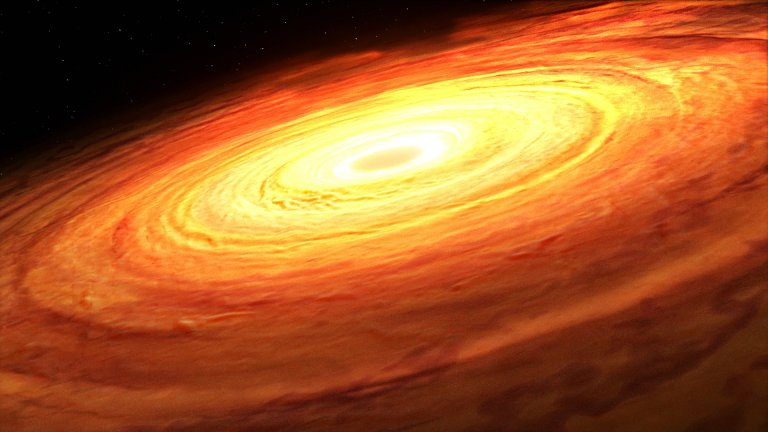
All astronomers need is a flickering disk.

Rapidly developing cities in Asia are especially affected.
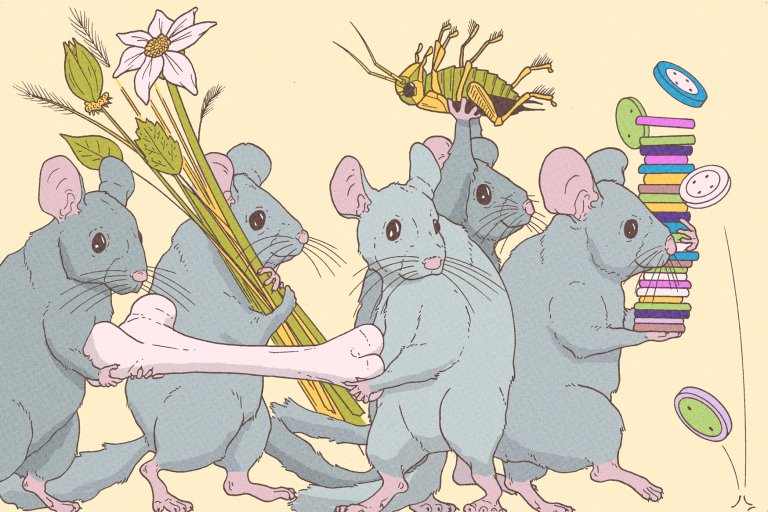
Humans stand to learn a lot from these furry little collectors.
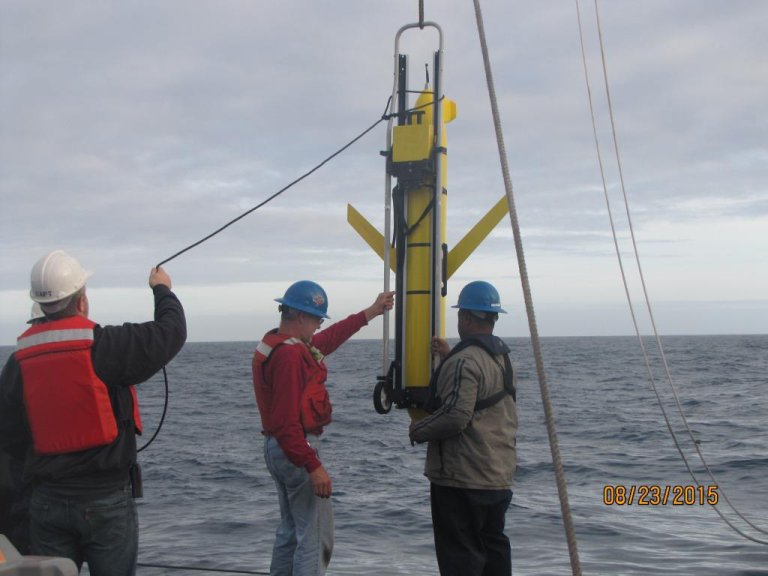
The Navy awarded some $40 million for robots that will study the oceans, going as deep as 3,300 feet for as long as 90 days.
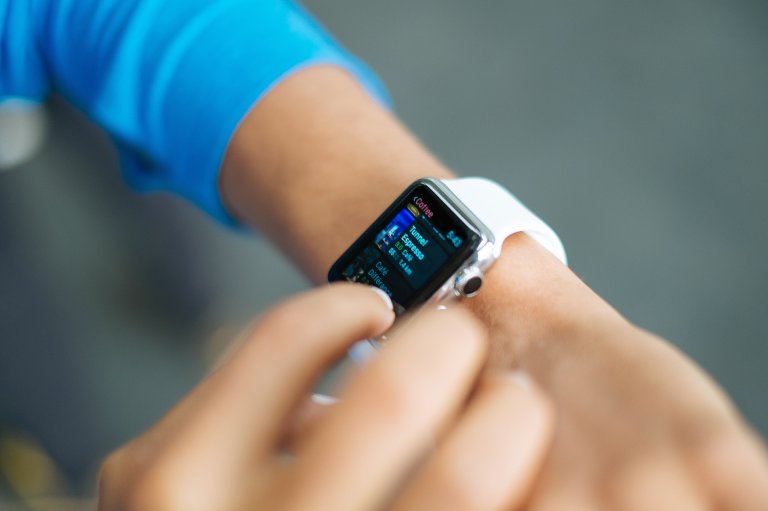
Smartwatches that sync with your lifestyle provide speedy access to so much more than just time.

The BepiColombo snapped a selfie during a rare double-flyby, when two spacecrafts passed near Venus within 33 hours.
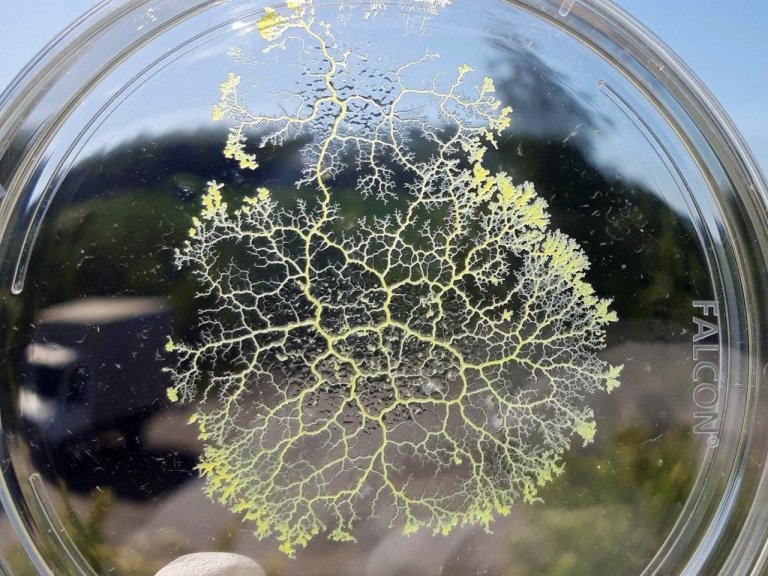
A single-cell organism is helping astronomers and school kids alike to understand space.

Don't forget to raise your pinky while you're at it.

Let's dive into decades of data.
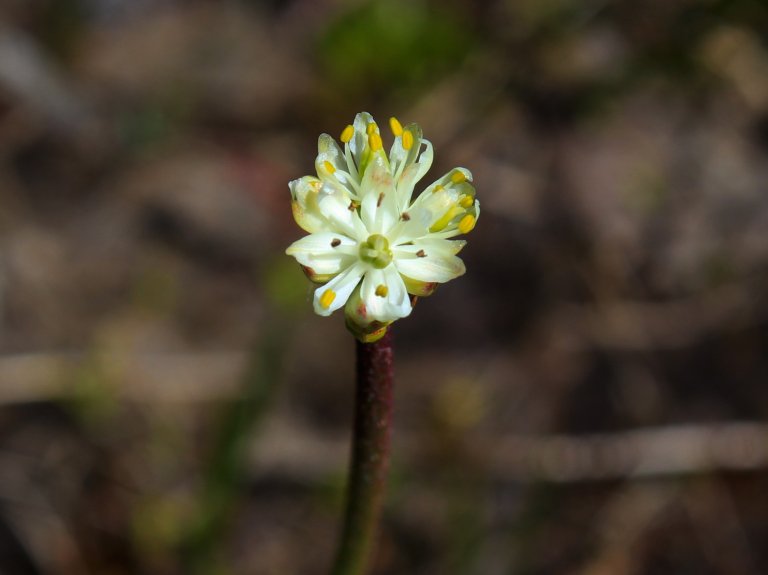
This North American herb uses its glistening, reddish hairs to snare bugs.
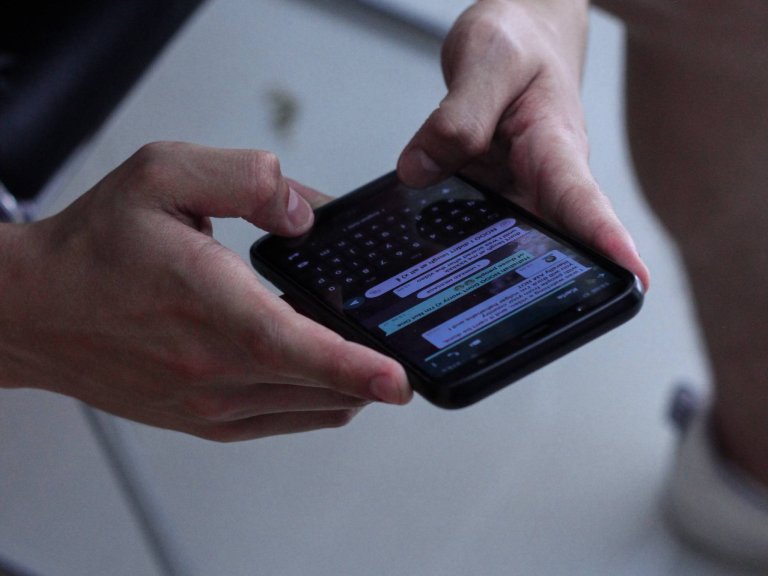
Recycle your memes and GIFs like a champ.

The pointy-toothed creature ruled Australian skies 105 million years ago.

For over two decades, Google has been indexing the web. Now it’s attempting to understand nuances in human language so it can deliver better search experiences.

Some countries are better prepared for climate change than others. The goal should be to bring stability everywhere.

You bought a belt there once. You don't need to hear from them six times a week for the rest of your life.

A “heat dome” is also to blame for this upcoming spike in temperatures.
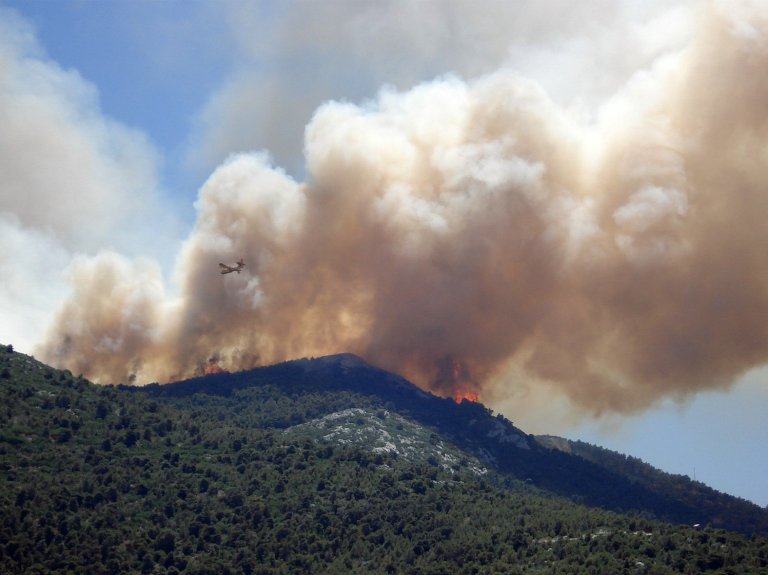
The new IPCC report underscores the need for swift climate action.

A litany of studies and lawsuits claim that the herbicide's main ingredient is carcinogenic, even as some agencies insist it isn't.

We face many obstacles in our search for shut-eye, from bad beds to faulty genes. Fortunately, wrapping our heads around what keeps us awake can help us catch those z’s.

Here’s what you need to know in COVID news this week.