This amphibious drone hitchhikes like a suckerfish
Why waste energy swimming when you can simply catch a ride?

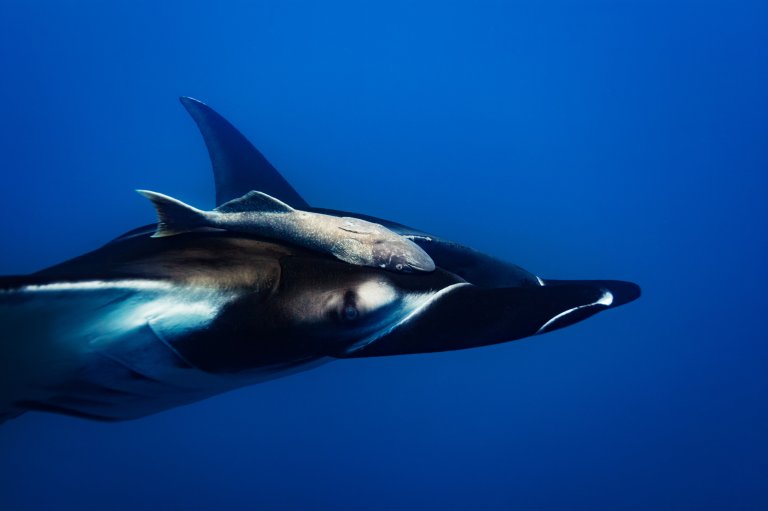
Why waste energy swimming when you can simply catch a ride?


The Dayton Project physicist could have had a long and storied career in her field.

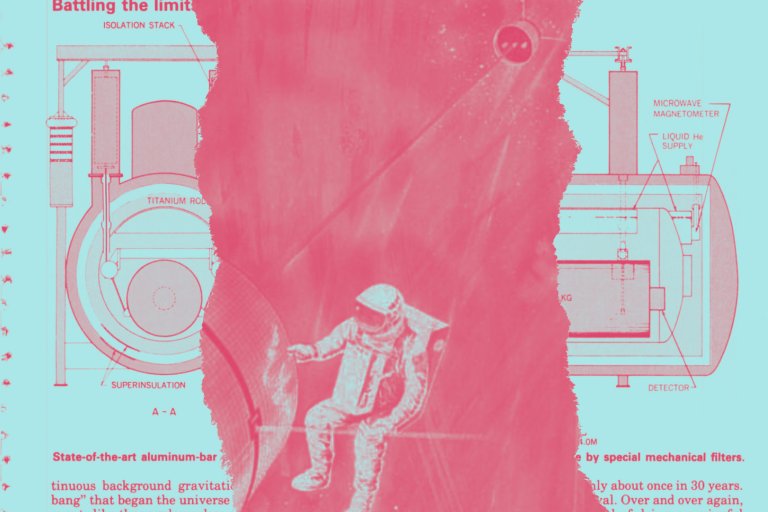
In the April 1981 issue of Popular Science, we explored the many initiatives and techniques used in the exciting hunt for sensing gravity waves, then out of reach.
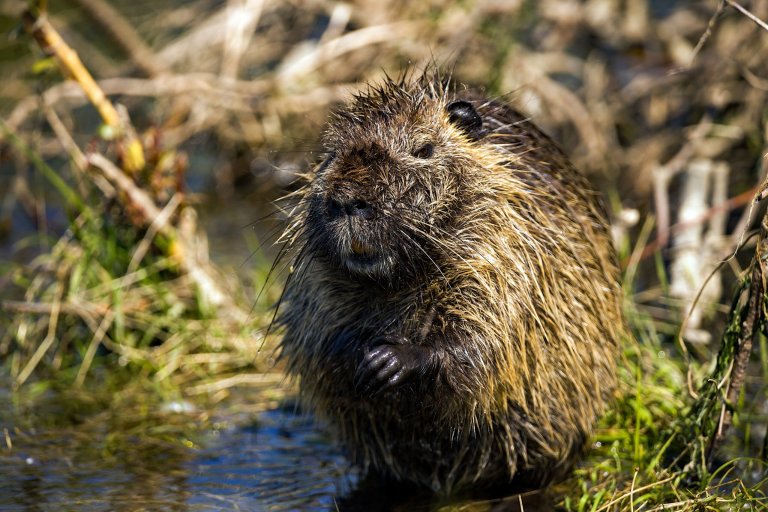
Plus other fun facts from The Weirdest Thing I Learned This Week.
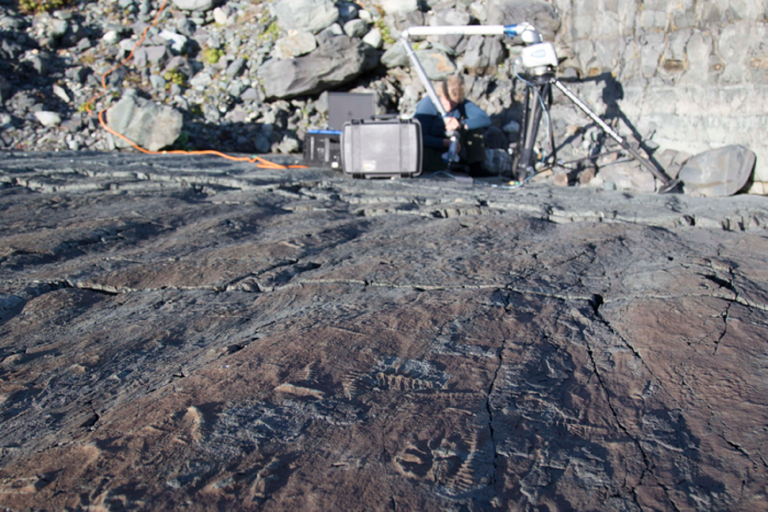
Fossils from Newfoundland sea beds give a clue to how early animal communities formed.

Banning exports has backfired for local farmers.

With extra-hot days on the rise, parasols are poised to reclaim their place in the sun.

Yes, that ideal partner is out there whether you want to stream, surf, or fill out spreadsheets

The proposed legislation follows reports of AirTags being used for tracking without consent.

The FDA will work with the largest US baby formula maker to reopen a key facility.
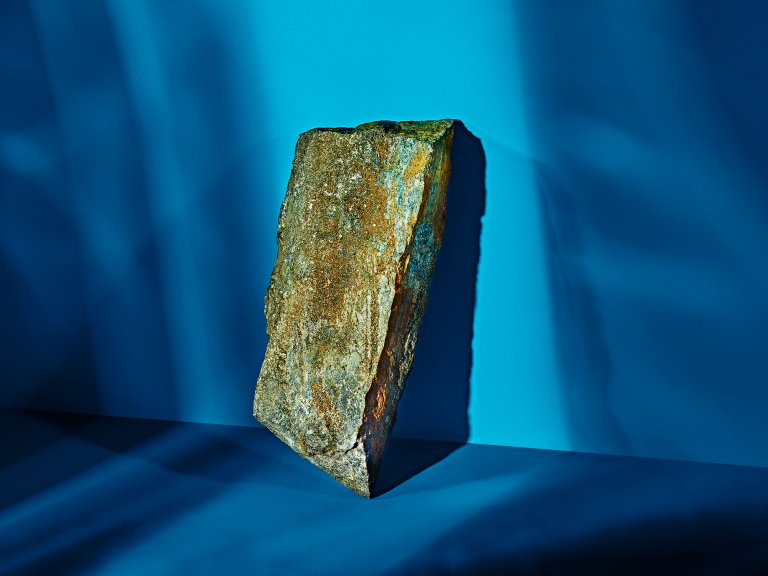
After millions in environmental cleanup, Idaho’s cobalt hotspot is welcoming its first new mining outfit in 40 years. Can it dig up the essential metal without leaving a trace?
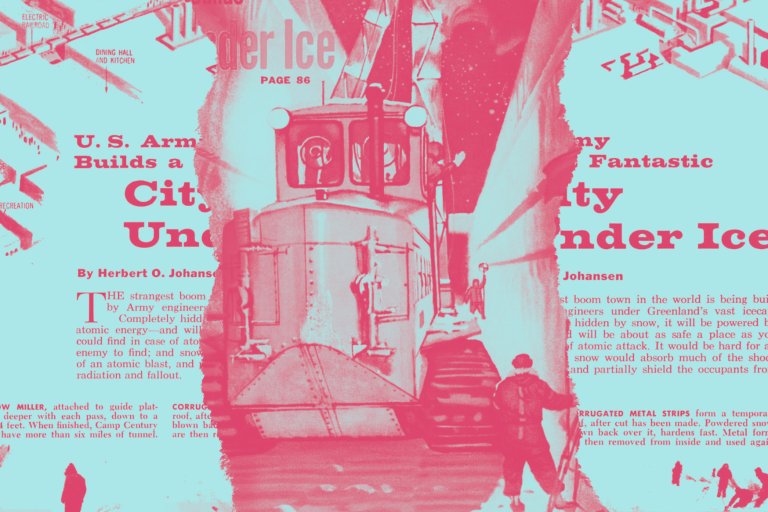
In 1960, Popular Science dove into the military's big subterranean plans for Camp Century, before they were abandoned in 1967.

For our 150th anniversary issue, we’re digging into the past, present, and future of humankind’s relationship with metal.

Western states efforts struggle to deal with the worst drought since 800 A.D. and its effects on snowpacks, topsoil, and reservoirs.

Popular Farm Bill programs that invest in sustainable agriculture are struggling to meet demand.

In 'Been There, Done That: A Rousing History of Sex,' PopSci executive editor Rachel Feltman shows why biology doesn't define us.

Here are all the new features the company announced at this year's Go/Get event.