How hunting deer became a battle cry in conservation
Our love of deer runs deep. But as their numbers surge and damage mounts, it may be time for a reckoning.


Our love of deer runs deep. But as their numbers surge and damage mounts, it may be time for a reckoning.
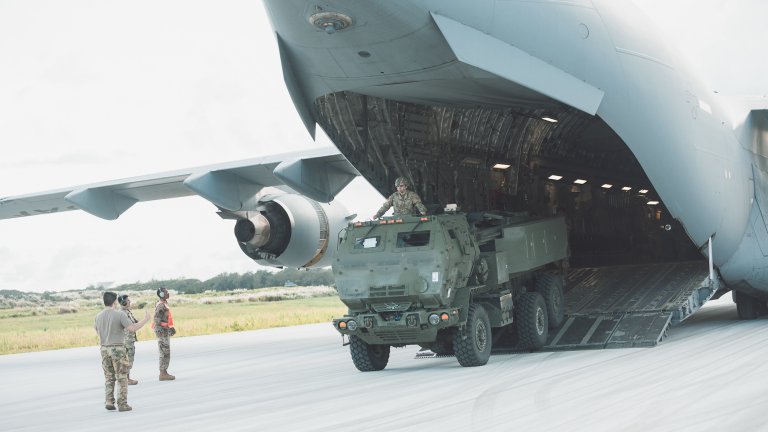
The weapons are called Ground Launched Small Diameter Bombs, and they use a rocket engine.

Both conditions can hit new mothers hard, but for separate reasons and with very different symptoms.

The German audiophile brand wants personal audio enthusiasts to warm up to a retooled, bass-reinforced model in its reference line.

British Petroleum, or Big Profits?

Google Maps, Search, Translate, and more are getting an AI update.
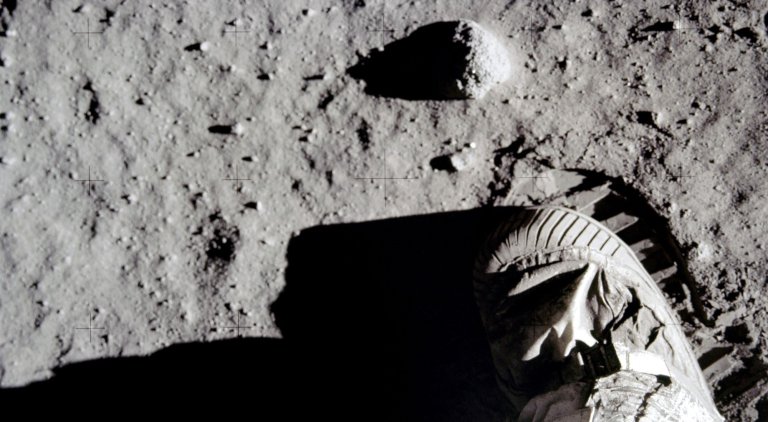
Under this high-concept sun-brella, incoming light would be reduced by about 2 percent per year.
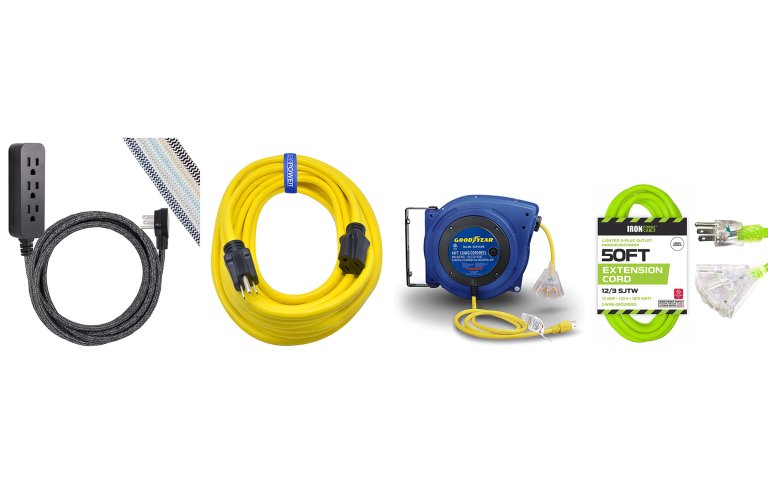
Does keeping your devices powered anywhere and everywhere strike a chord in you? Extend the reach of electricity indoors and out with these essential accessories.
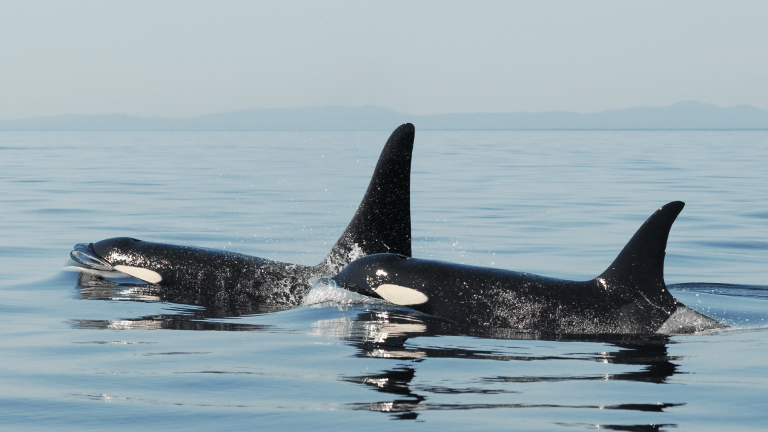
Only 73 Southern Resident killer whales are left in the wild—and raising sons may make this more complicated.

In his second SOTU address, Biden urged Congress to ‘finish the job.’

The royal wrote letters in code from prison before being beheaded in 1587.
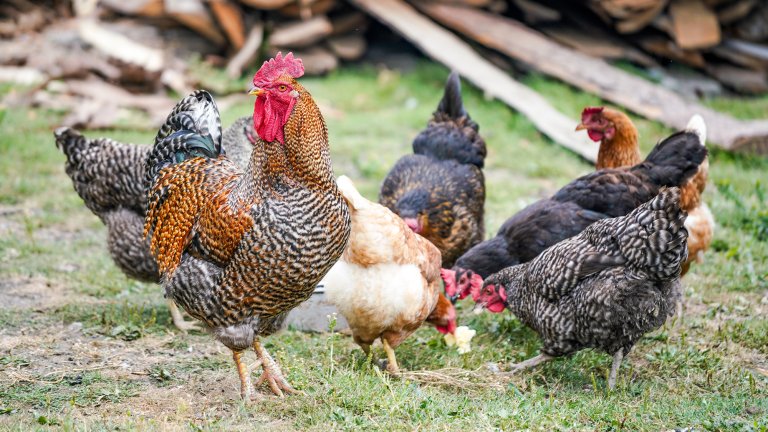
Getting your eggs at the store might be easier, but keeping chickens is definitely fun.

The idea that deforestation and human encroachment into wild land fuels pandemics is not new.
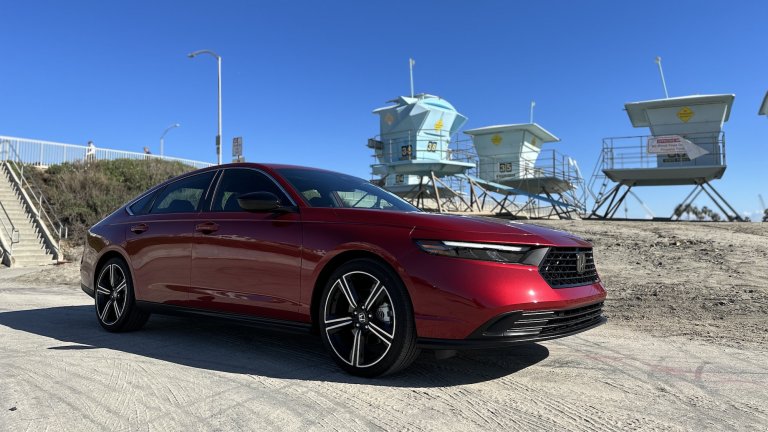
A typically boring sedan gets a trip to the gym, and the result is a lively, more efficient vehicle with a powerful hybrid powertrain.

The remains of wildfires offer up a huge buffet of nutrients for certain microbes.

Enough for a good Gatorade-style dunking, at least.
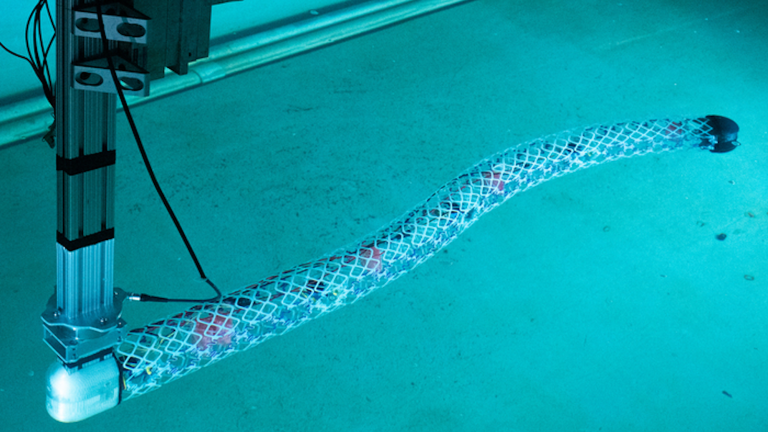
MIT scientists created what could be the Legos of affordable, adaptable robotics.

Microsoft's $10 billion investment in OpenAI is already resulting in ChatGPT integration for Bing and Edge, with potentially major consequences.

'Wolf News' videos feature grammatical errors and weird AI-generated anchors.
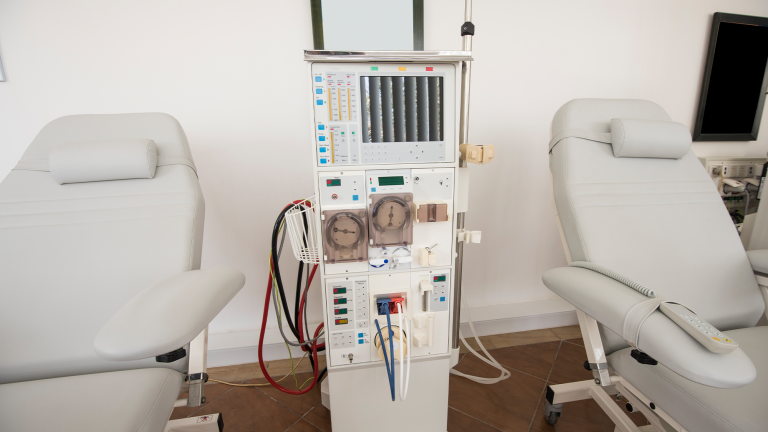
Staph infections dropped 40 percent across the US between 2014 and 2019—but there is still a long way to go.