Earth Bacteria Can Survive And Grow In Extremely Hostile, Mars-Like Conditions
Two new experiments show how easy it would be to infect Mars with alien microbes.


Two new experiments show how easy it would be to infect Mars with alien microbes.
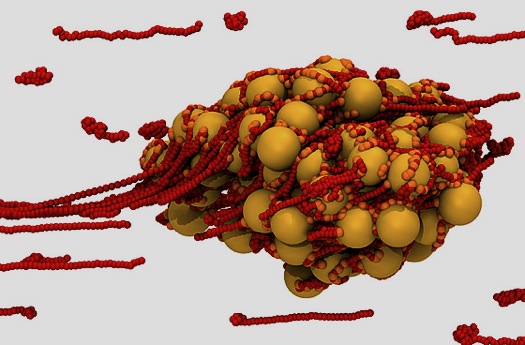
Scientists have figured out how clots form in the blood, and are using the same method to develop a new class of materials.

It picks you up when you're ready to leave your hotel.

An Arduino is a popular open-source single-board microcontroller. Learn how to program one and let the possibilities take shape.

New clues show how the massive Japanese earthquake happened, and how certain faults could pose a previously unrealized threat.

Insects are ravaging North American forests like never before, and NASA satellites are watching the landscape change.

Perhaps the best smartphone Sony's ever made. But that's not saying all that much.

Physicists calculate how many newtons of force would be needed to carry the peach across the Atlantic.

Record-breaking temperatures require a meteorological redesign.

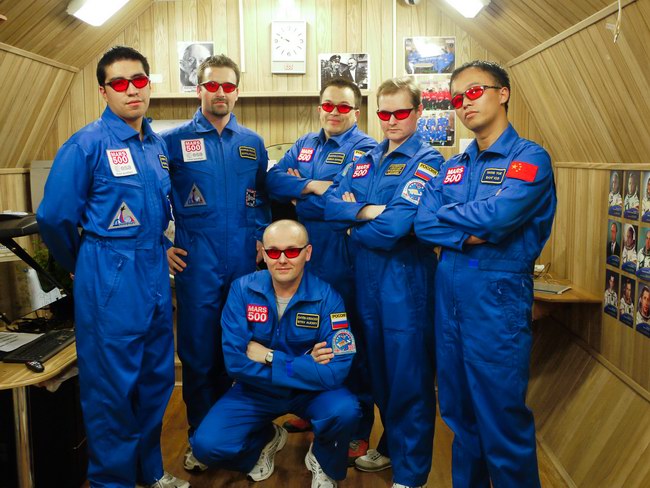
First scientific findings released from the fake mission show that “maintenance of human behavior” was difficult.

On the lam without your car charger? Splice some wires and be on your way.

There is also a cornucopia of comets.

In space, loose clouds of gas generate spontaneous laser emissions all the time. Now, physicists are for the first time creating lasers from gas clouds here on Earth--lasers unlike any gas-based laser we've ever seen.
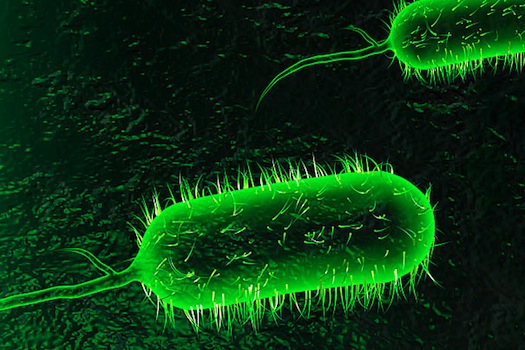
A deadly outbreak of cholera followed the 7.0 earthquake that struck Haiti three years ago this week. Jonathan Katz, the only American fulltime staff reporter stationed in Haiti at the time, explains what caused the outbreak--and why it was anything but inevitable.
![21 Emotions For Which There Are No English Words [Infographic]](https://www.popsci.com/wp-content/uploads/2019/03/18/B72DGWG2DQUD5OZGPQ24TJRBJ4.png?quality=85&w=525)
That sort of painful, sort of bittersweet, sort of wistful feeling you get looking out the window or driving at night or listening to a far-off train whistle? There's a word for that in Japanese.

The Pentagon's mad scientists want to bring brain scans to the smartphone, swarming satellites to space, and self-healing software everywhere.

Did you resolve to get thin this year? Here are six absurd weight-loss programs of yore, plus one incredibly mean weight-gain ad from 1939.
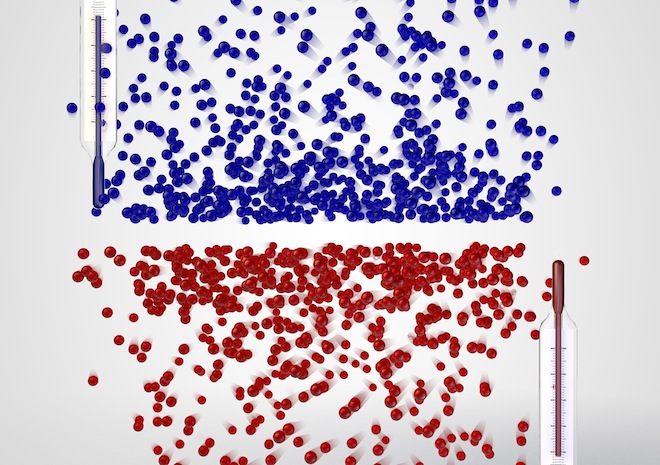
Absolute zero is theoretically the lowest possible temperature, but quantum researchers beg to differ.

Observations of distant gassy discs show how giant gas planets form along with their stars.