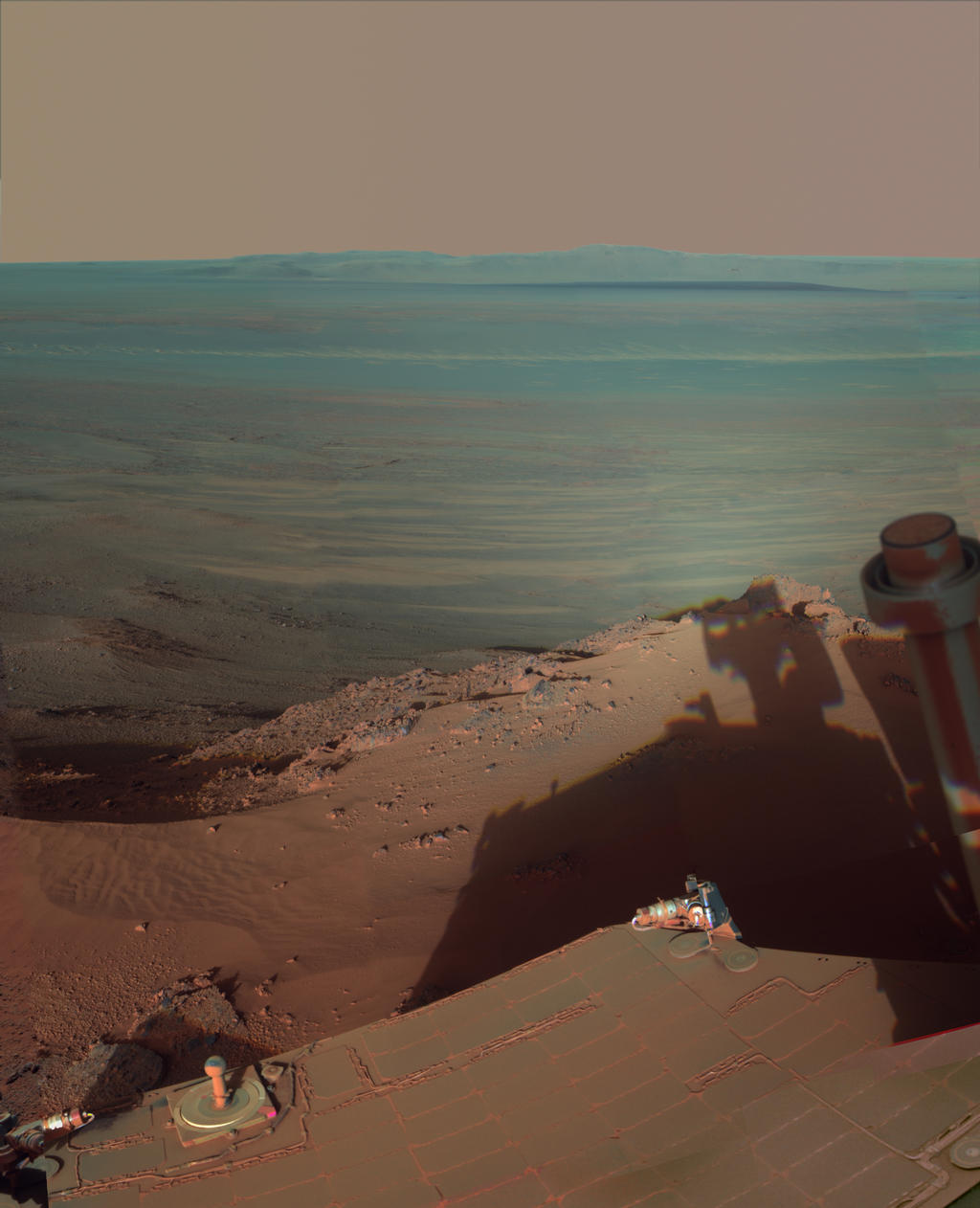
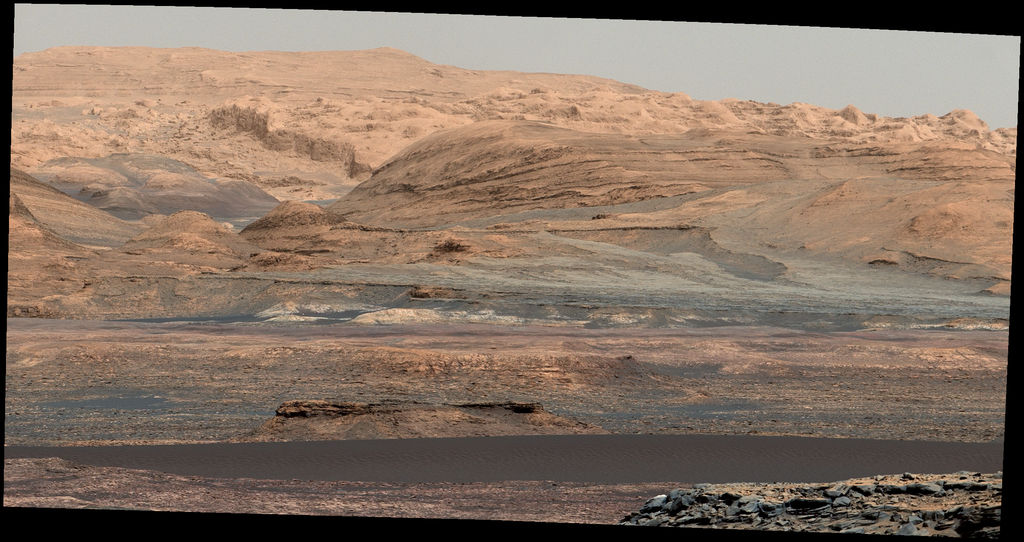
Captured with the Opportunity rover's Pancam on March 9, 2012, shadows fall over the western rim of the14-mile-wide Endeavour crater, the largest impact crater on Mars.
NASA/JPL-Caltech/Cornell/Arizona State
Get the Popular Science daily newsletter💡
Breakthroughs, discoveries, and DIY tips sent six days a week.
By signing up, you confirm you are 16+, will receive newsletters and promotional content and agree to our Terms of Use and acknowledge the data practices in our Privacy Policy. You may unsubscribe at any time.
NASA/JPL-Caltech
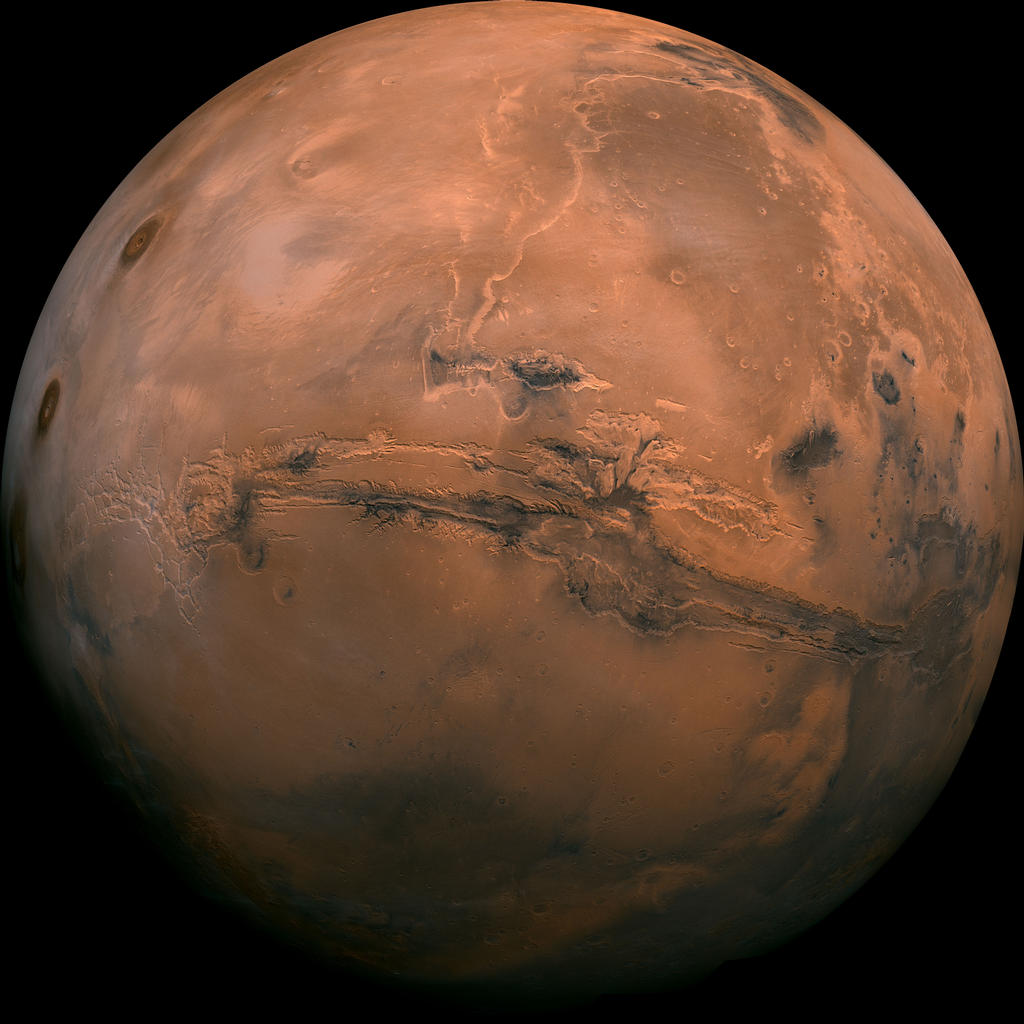
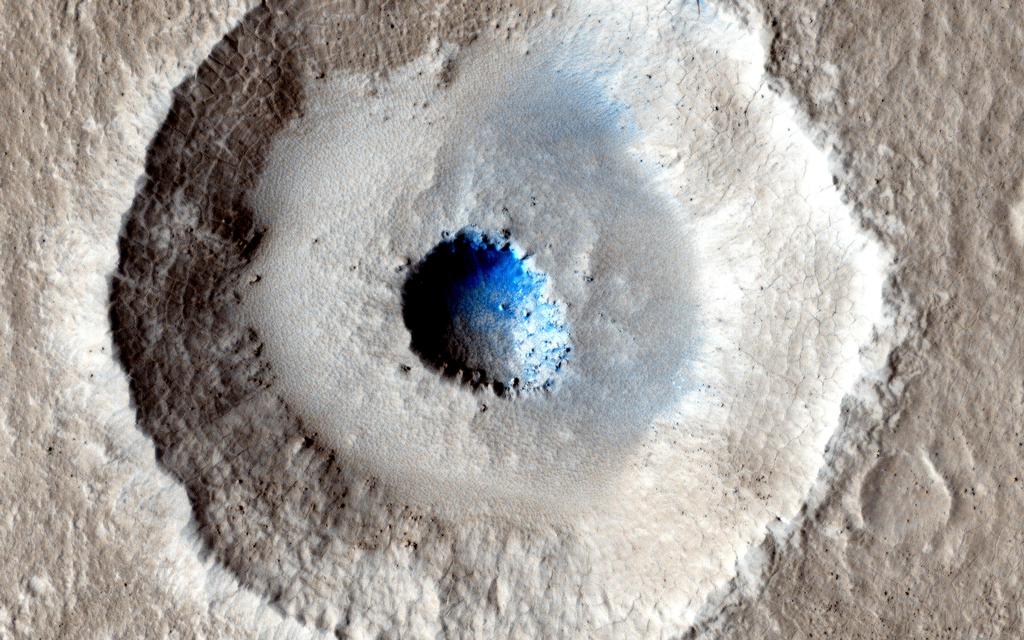
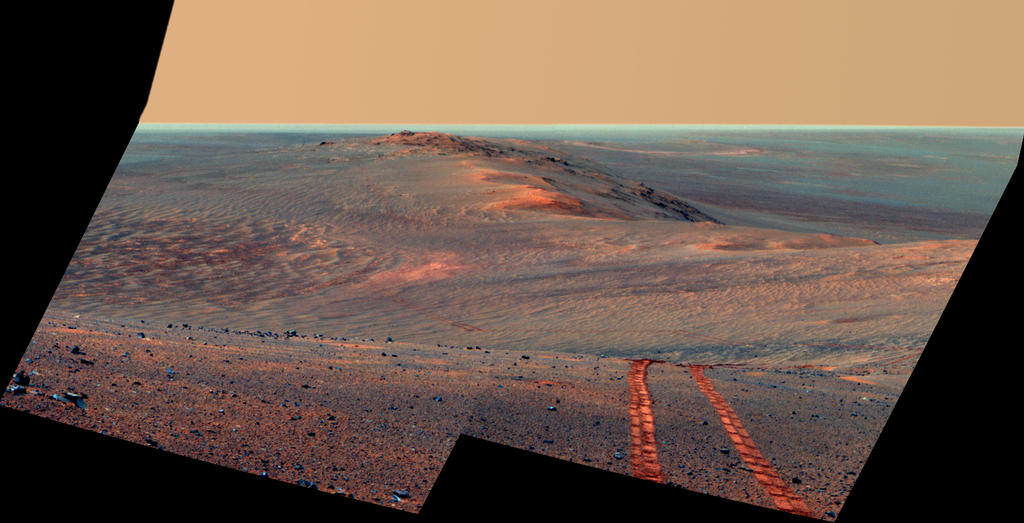
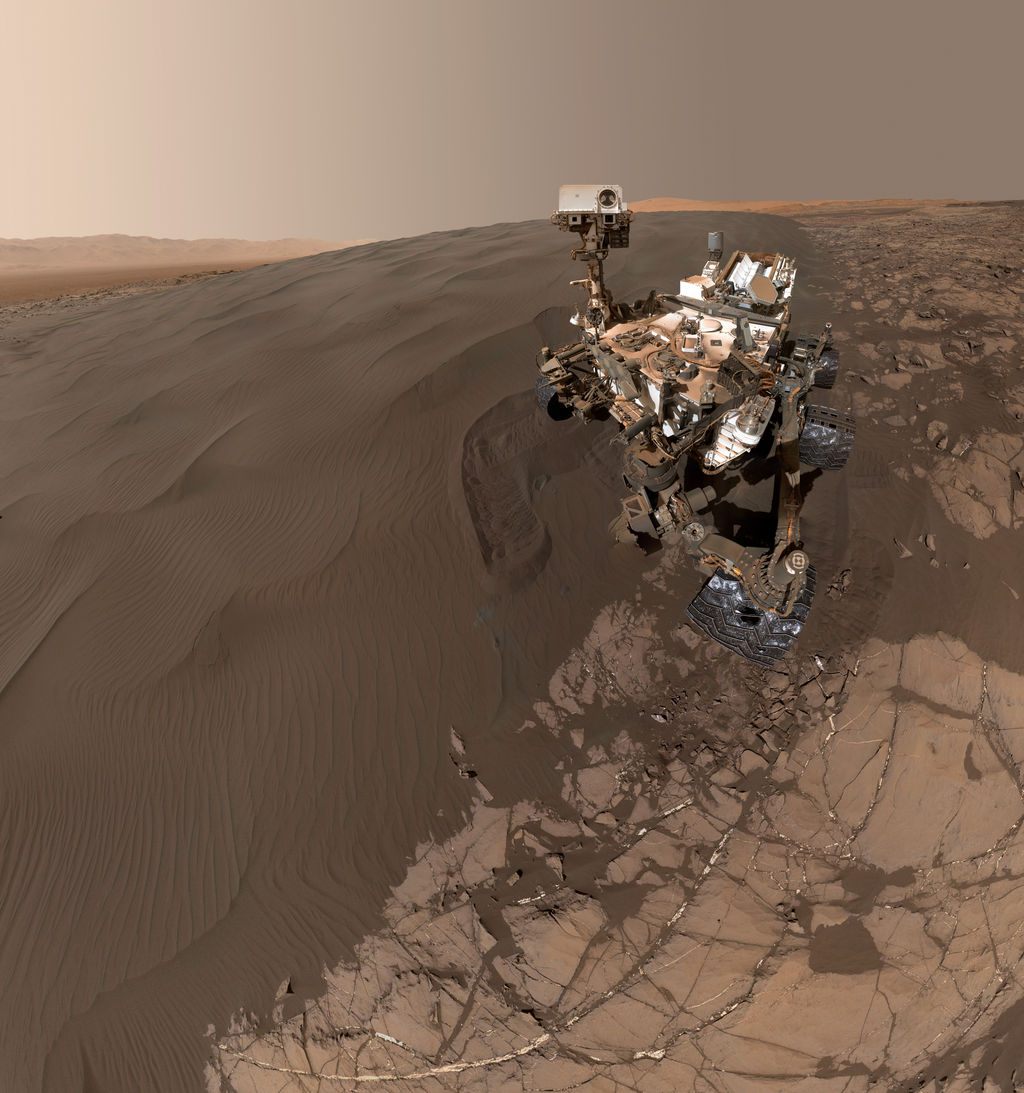
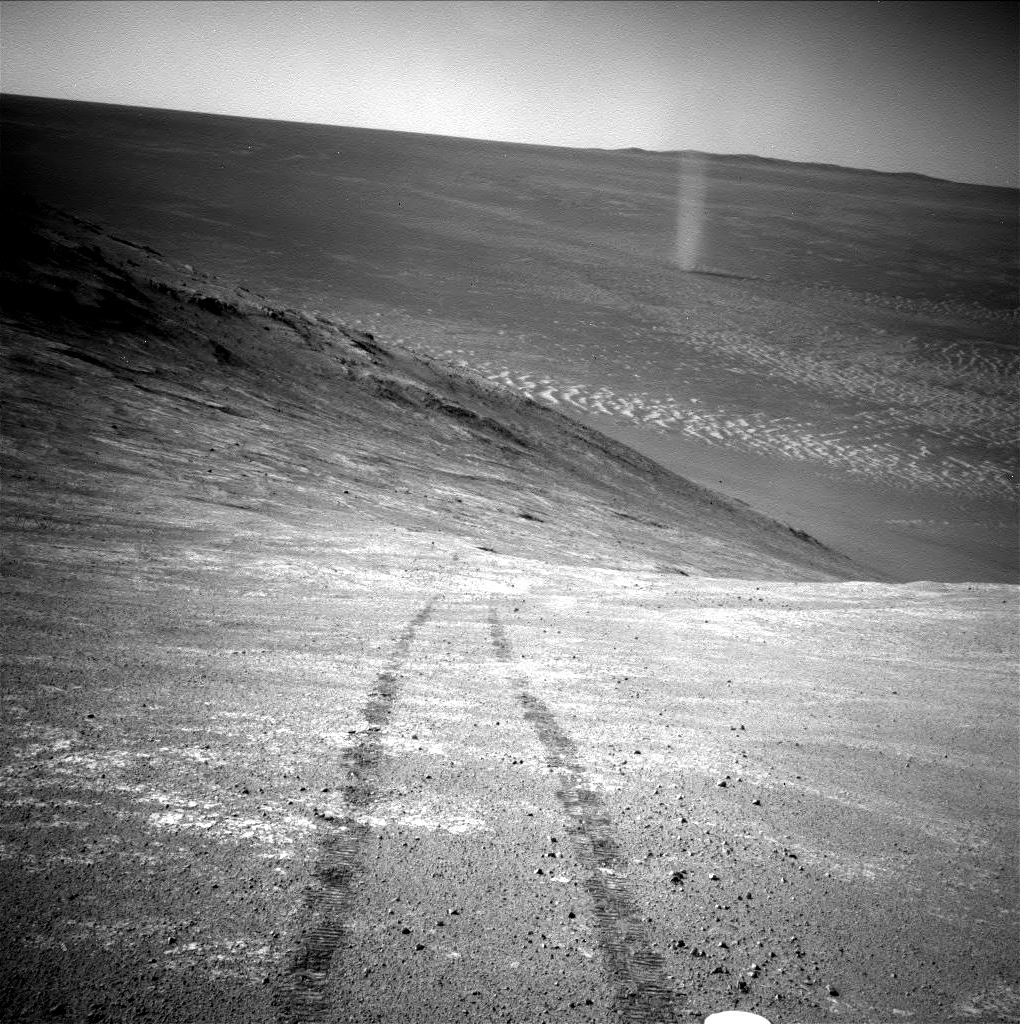
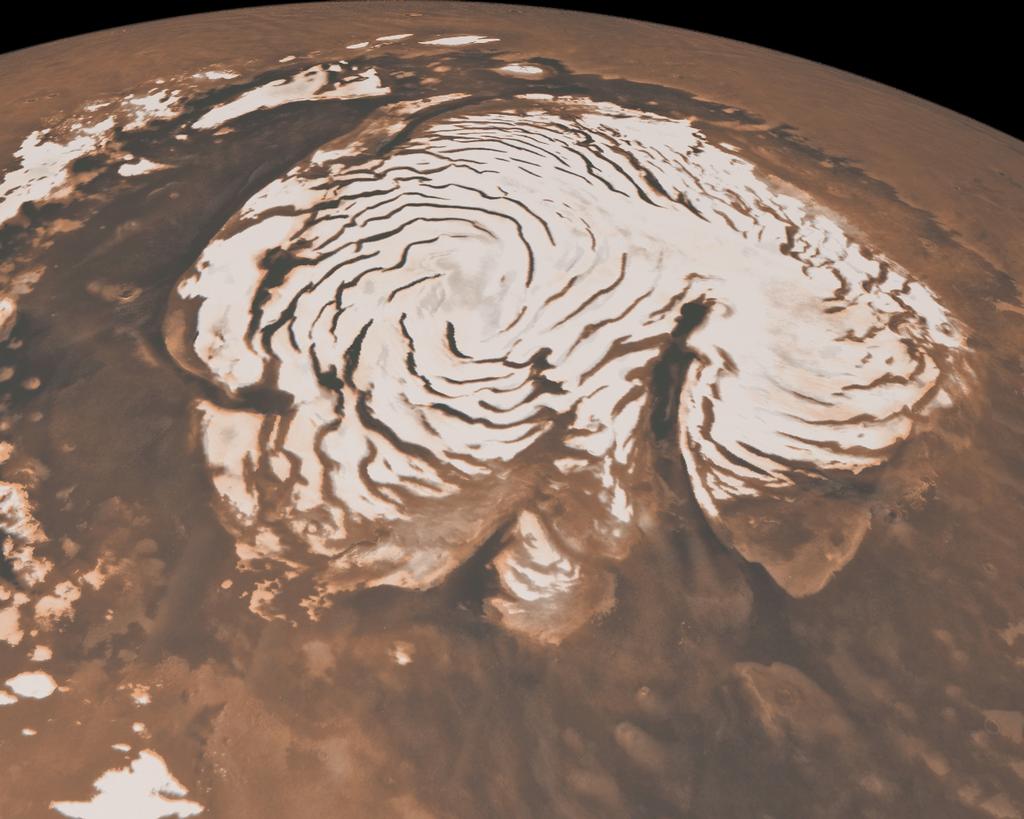
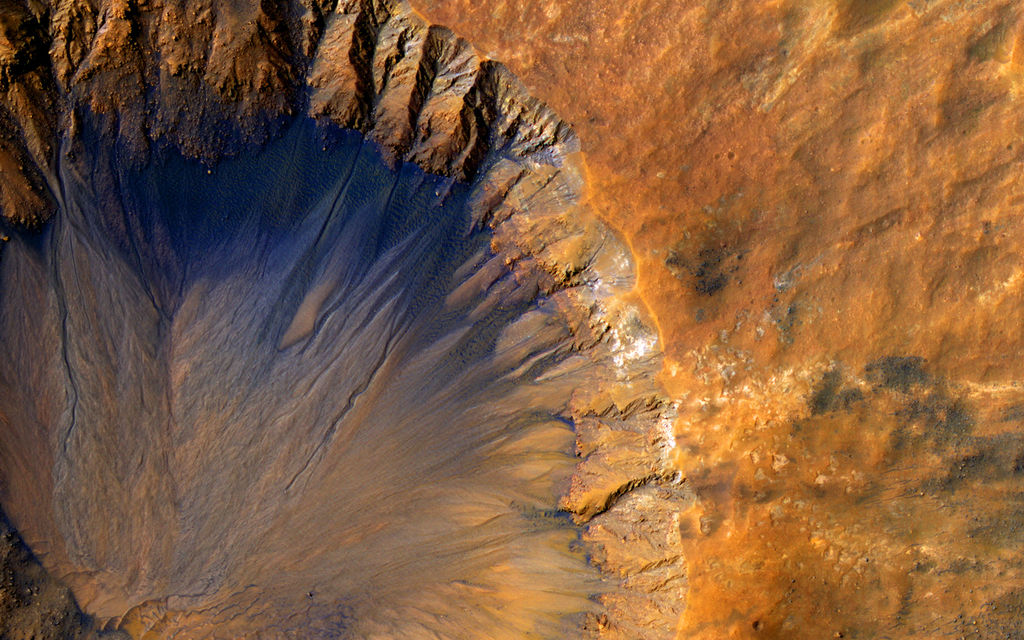
With SpaceX declaring that they will land a Dragon capsule on Mars in 2018, and NASA pledging to send astronauts there in the 2030s, Martian colonies are seeming more and more like a reality with every passing day. Sure, there is still a mountain of hurdles for researchers to overcome before we’re sipping our morning coffee on the red planet, but nowadays the idea of Mars coffee isn’t all that foreign–it’s the future. To celebrate that, here are some of our favorite pictures of Mars from over the years, which will hopefully provide us with a preview of what our backyards will look like one day (fingers crossed).
NASA/JPL-CaltechNASA/JPL-Caltech/University of ArizonaNASA/JPL-Caltech/Cornell Univ./Arizona StateNASA/JPL-Caltech/MSSSNASA/JPL-CaltechNASA/JPL-CaltechNASA/JPL-Caltech/MSSSNASA/JPL-Caltech/University of ArizonaNASA/JPL-Caltech/MSSS