Giant ostrich-like dinosaurs give us a glimpse of ancient North America
The enormous ostrich-like bird flocked through the eastern part of North America during the Cretaceous period.


The enormous ostrich-like bird flocked through the eastern part of North America during the Cretaceous period.

Netflix's upcharge for account sharing is expected to arrive early next year.
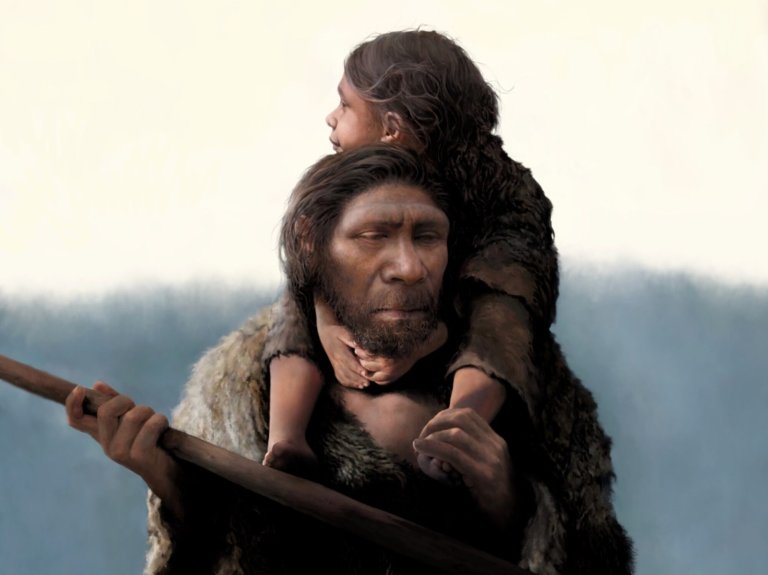
The DNA of this Neanderthal unit gives a glimpse into the social bonds of our most distant ancestors.

The research was conducted under secure conditions—and the virus itself is less dangerous than the original COVID-19.

Plus other fun facts from The Weirdest Thing I Learned This Week.

These scientists and engineers are taking on some of medicine, chemistry, and society’s biggest challenges—and succeeding.
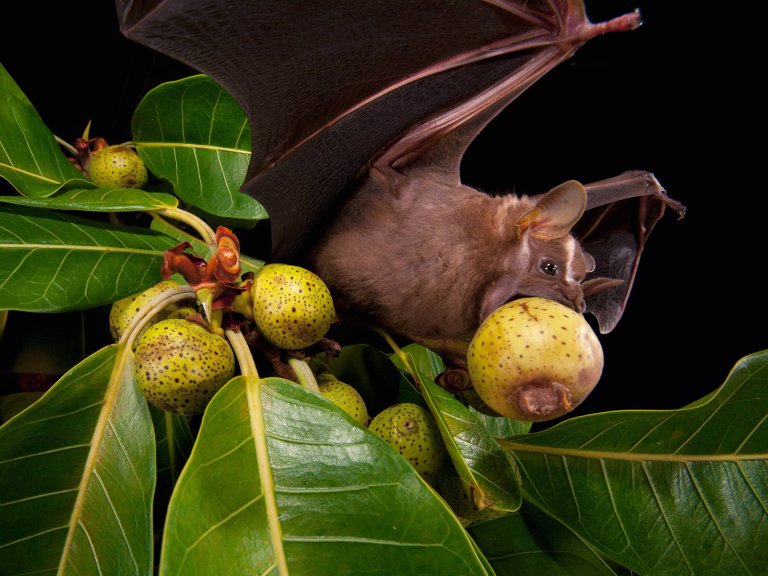
Help a bat out, get some spooky cred in return.
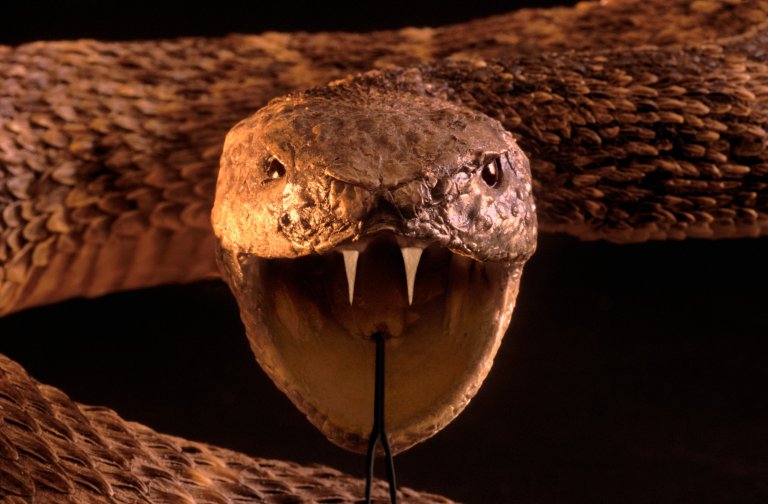
Fangs, thorns, spines, and claws are biological defenses that can puncture threats.

Loitering munitions, transported on wheels.

The company loses $8 billion a year on employee turnover.

The recall includes Similac, the company's largest and most popular kind of baby formula.

Let your devices help you relax or focus.

New additions to DuckDuckGo's open beta browser include Duck Player, which blocks YouTube ad trackers.
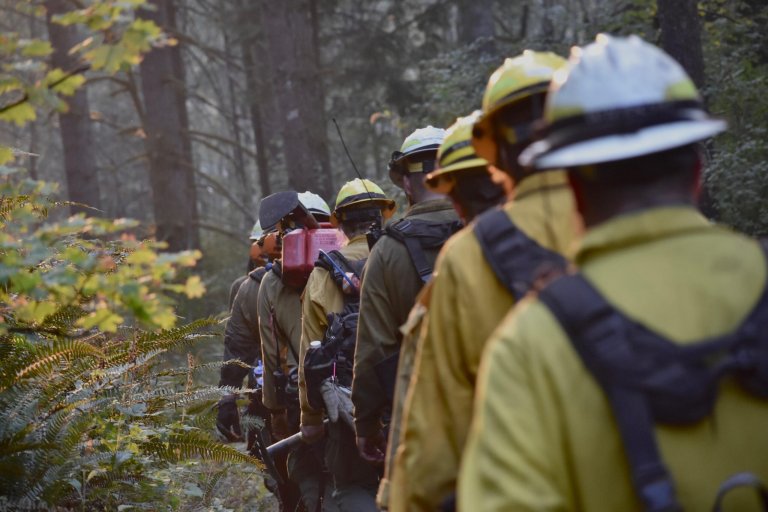
The fire near the Washington State-Oregon border has burned about 2,000 acres of land.

Pushed to the brink, animals are picking up new behaviors and tricks to persevere in a world ruled by humans.

The long term effects on health and the healthcare system are still unknown.

Early warnings for blood poisoning could dramatically reduce deaths, according to new research.

The R1T and the R1S both competed in the Rebelle Rally, a 1,600-mile raid in Nevada and California. Let's take a closer look at their tech.

There could be over 26 million EVs on US roads by 2030. Now it's time to prepare.
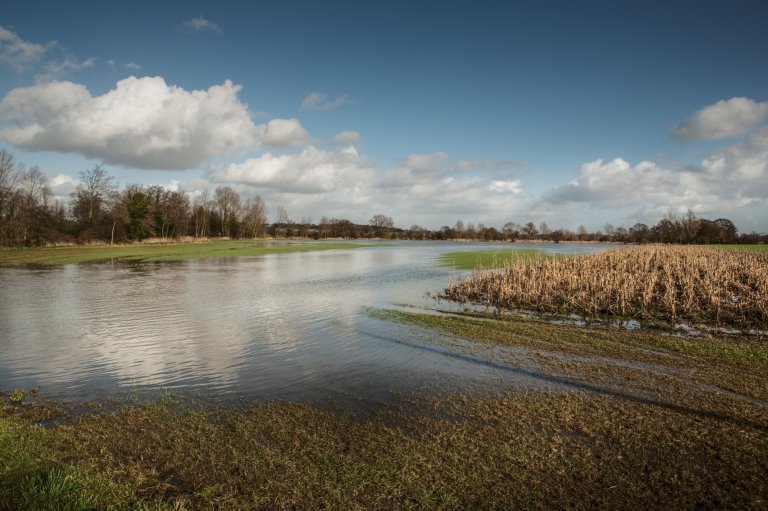
Flood damage doesn’t go away when the waters do—these weather events also make it harder to find food.