Last summer, as sweet crude oil gushed unabated into the Gulf of Mexico, the overriding emotion was one of frustration. It wasn't just directed at the well owner, BP, or at rig-builders Transocean and Halliburton, or even the government and its difficult-to-understand oil flow estimates. The inability to shut off the well was one thing — but why, in an era of nanotubes and autonomous robots and invisibility cloaks, couldn't we just clean it up?
Sure, skimmer ships, containment booms and dispersants deployed immediately, aiming to capture oil gushing from the blown well beneath the destroyed Deepwater Horizon rig. But week after frustrating week, the best available technologies failed to make much of an impact. But some people saw opportunity in this disaster — a chance to prove a new idea, or maybe build upon an old concept. The Wendy Schmidt Oil Cleanup X Challenge, under the auspices of the X Prize Foundation, encouraged competitors to design new oil-removal technologies that would dramatically improve the state of the art. Today in New York, we found out just how far some friendly competition and a tidy sum can push the technological envelope.
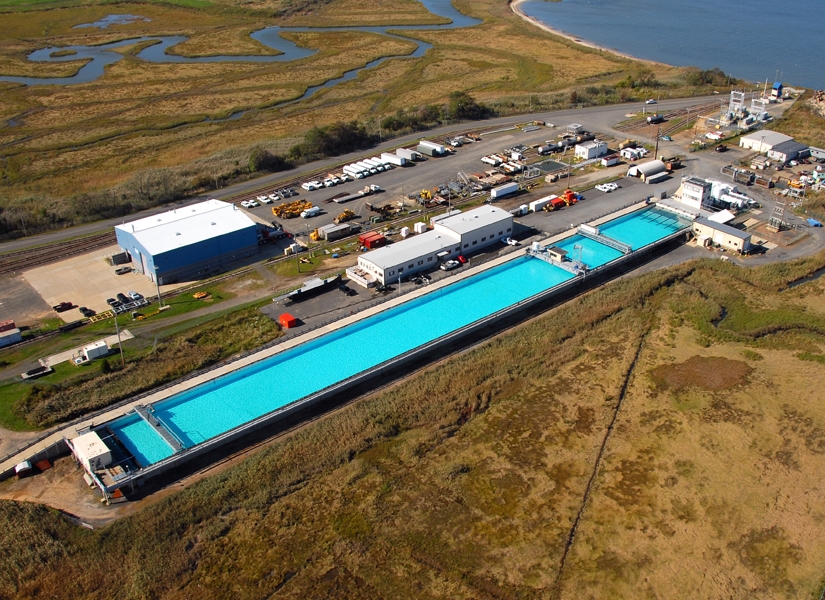
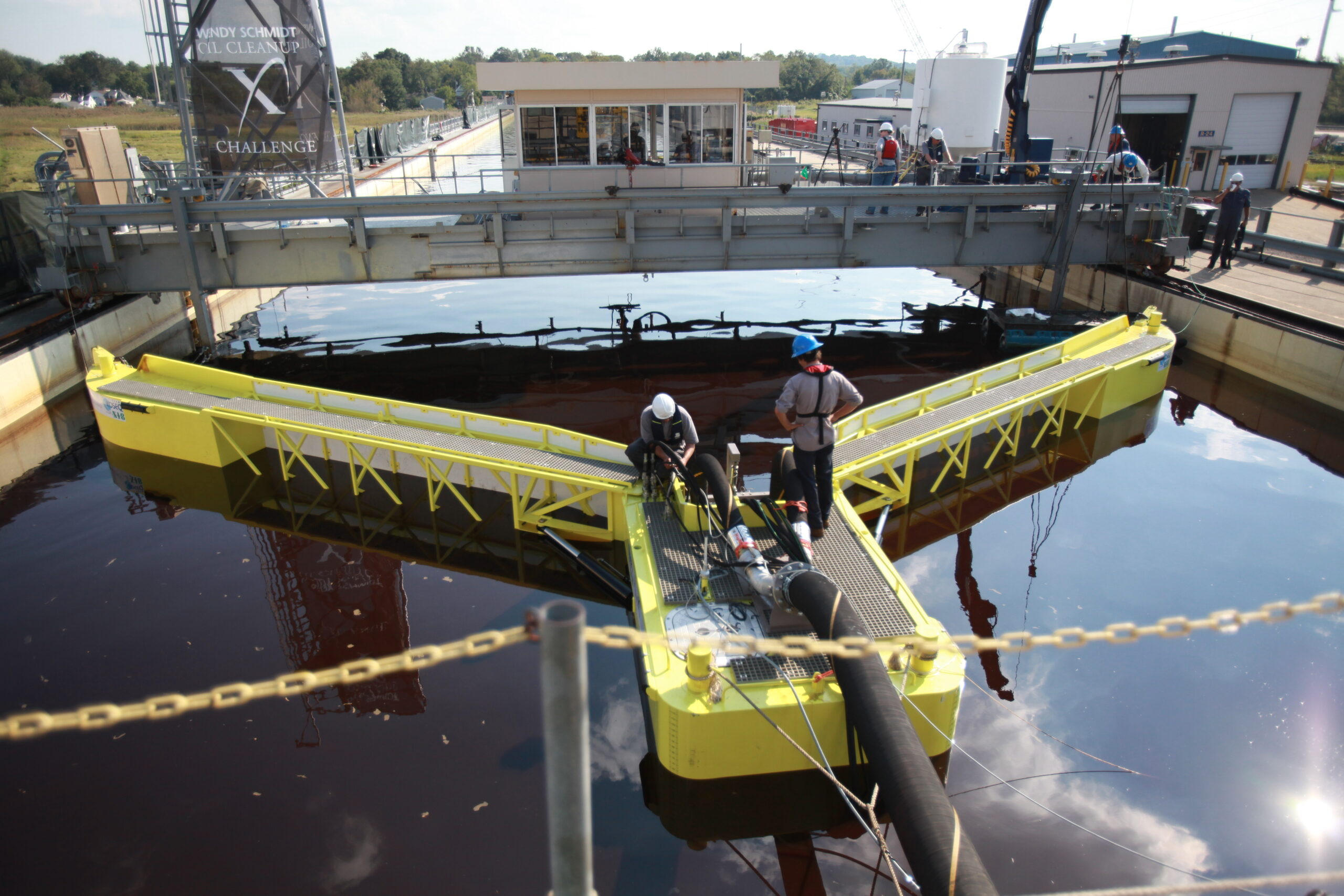
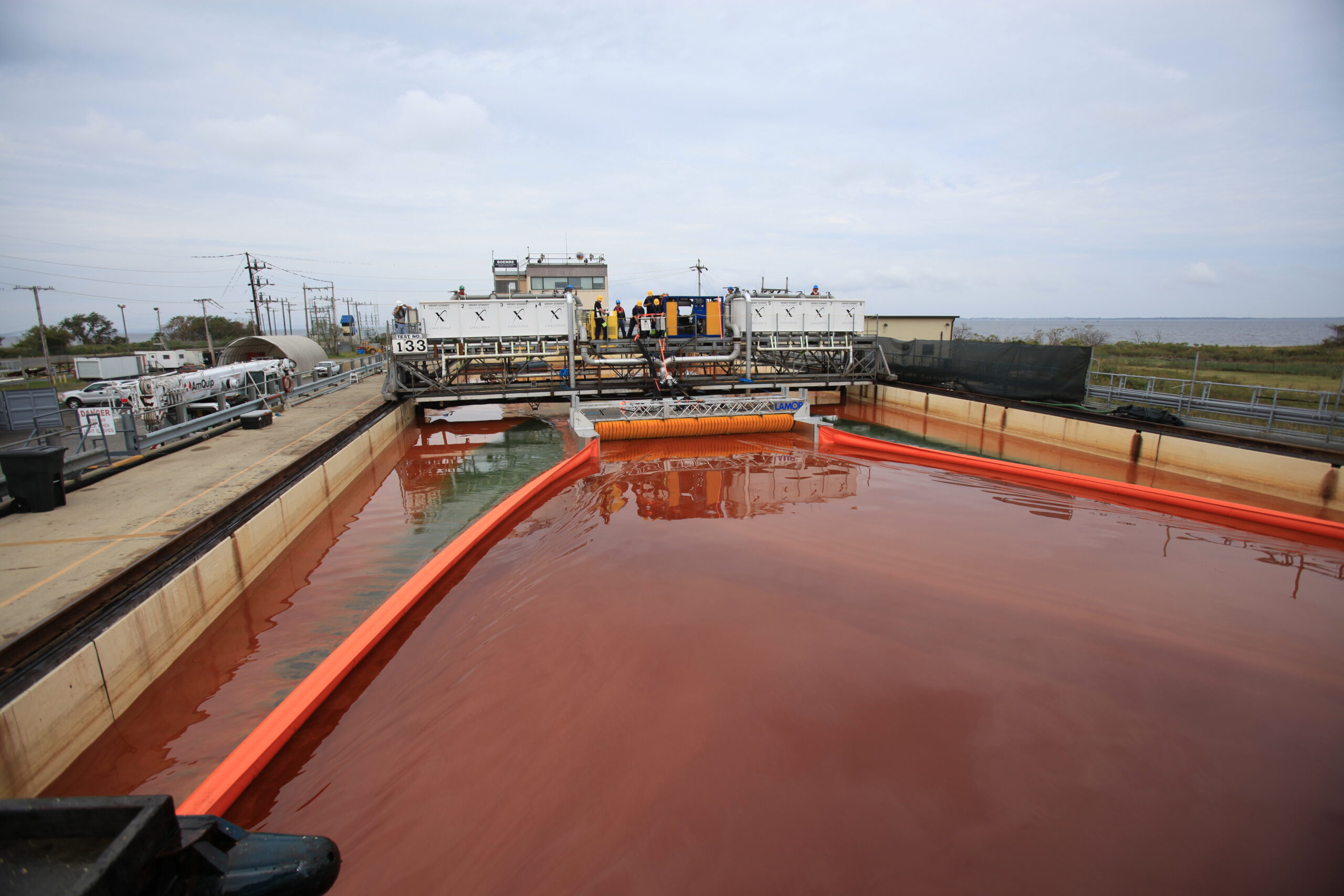
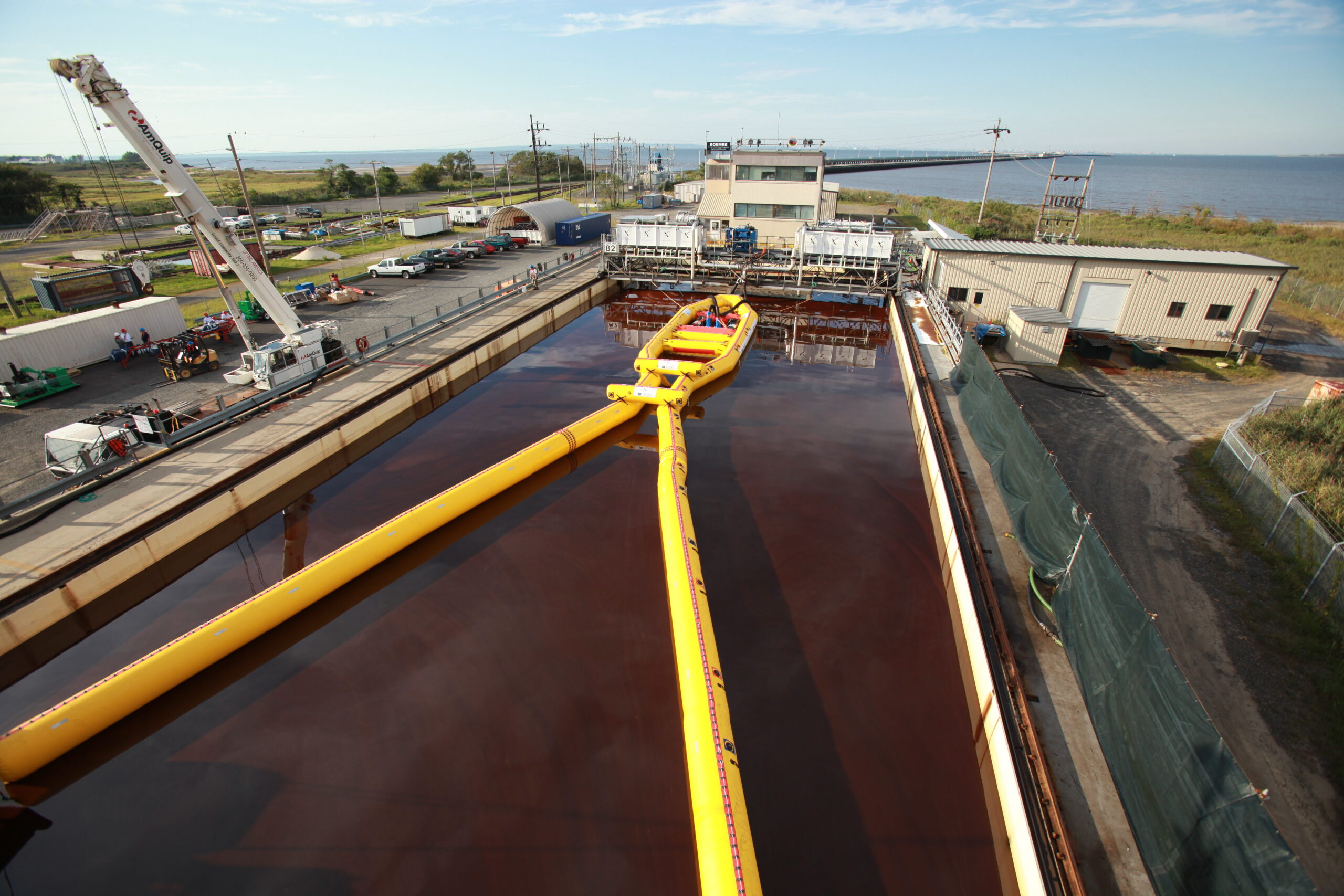
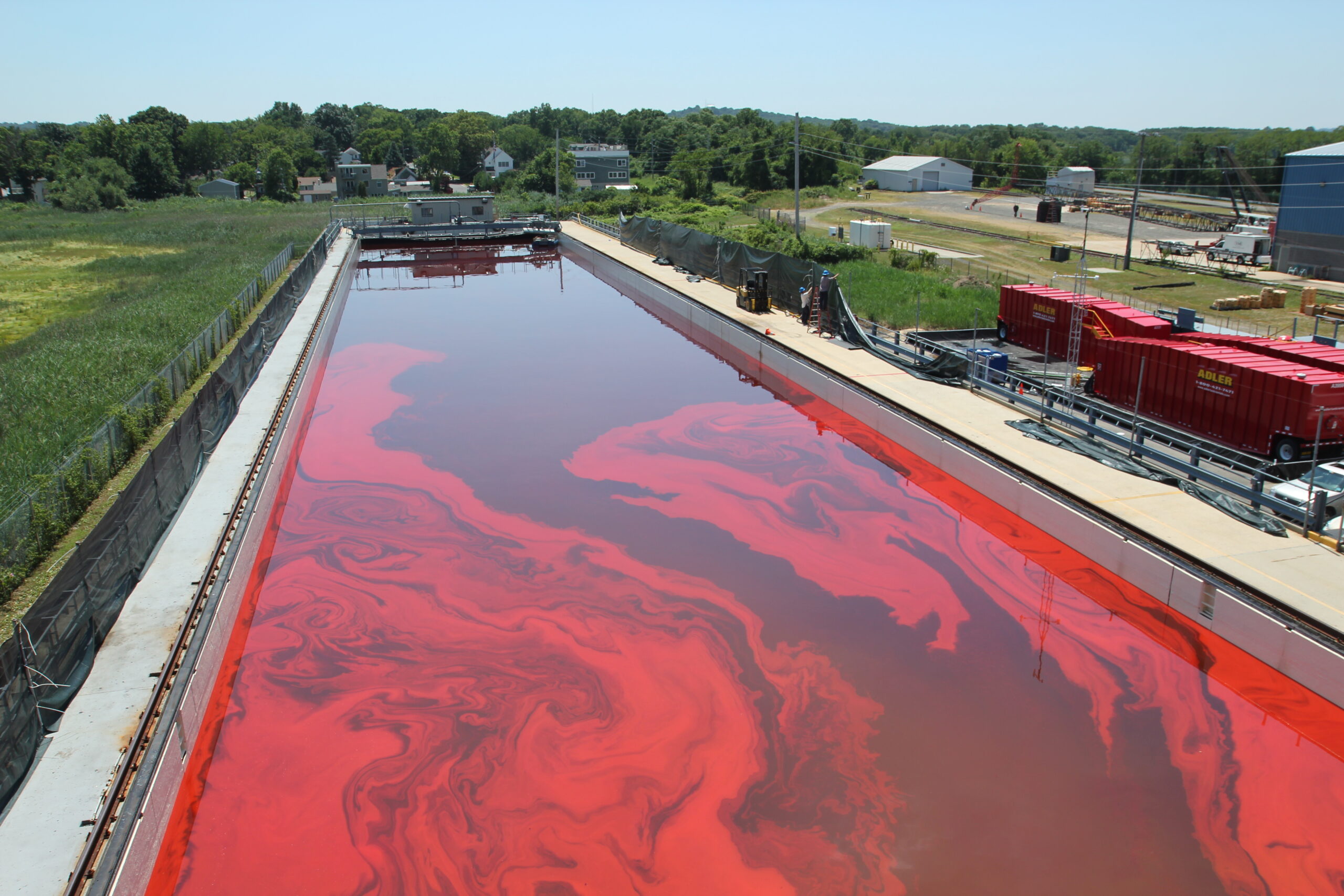
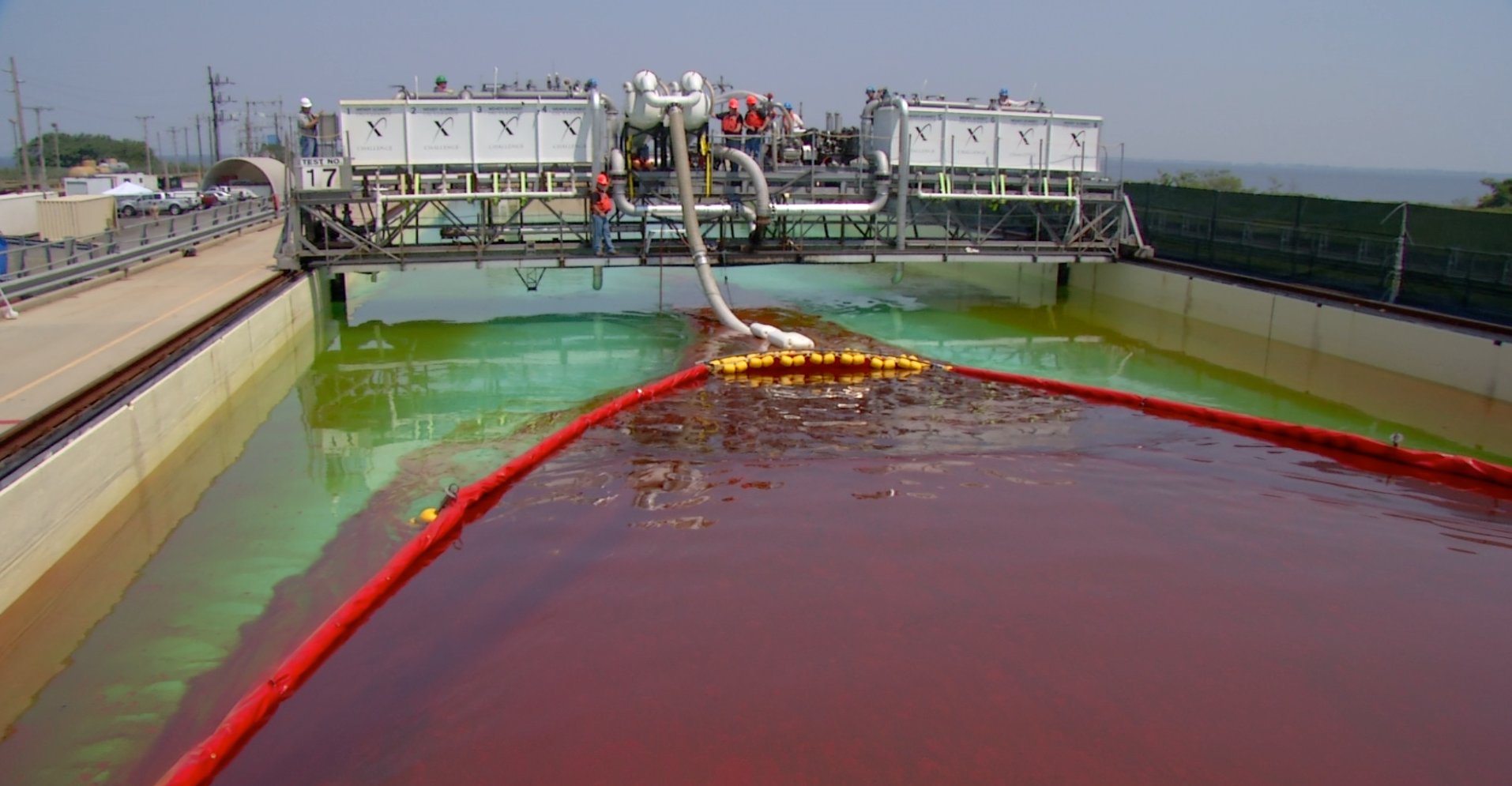
Nearly 400 applicants were narrowed down to 10 finalist teams, who were invited to test their techniques at the nation's oil spill test bed, the Department of the Interior’s Ohmsett facility at the Naval Weapons Station Earle in Leonardo, N.J. The minimum criteria to be eligible for the prize: a technology capable of an average oil recover efficiency (ORE) of more than 70 percent—that is, the mixture extracted from the water had to be 70 percent oil—and an oil recover rate (ORR) of 2,500 gallons per minute. That’s roughly twice what the oil cleanup industry’s best technology can currently recover. The leading team was promised a $1 million reward, while second and third place would receive $300,000 and $100,000 respectively.
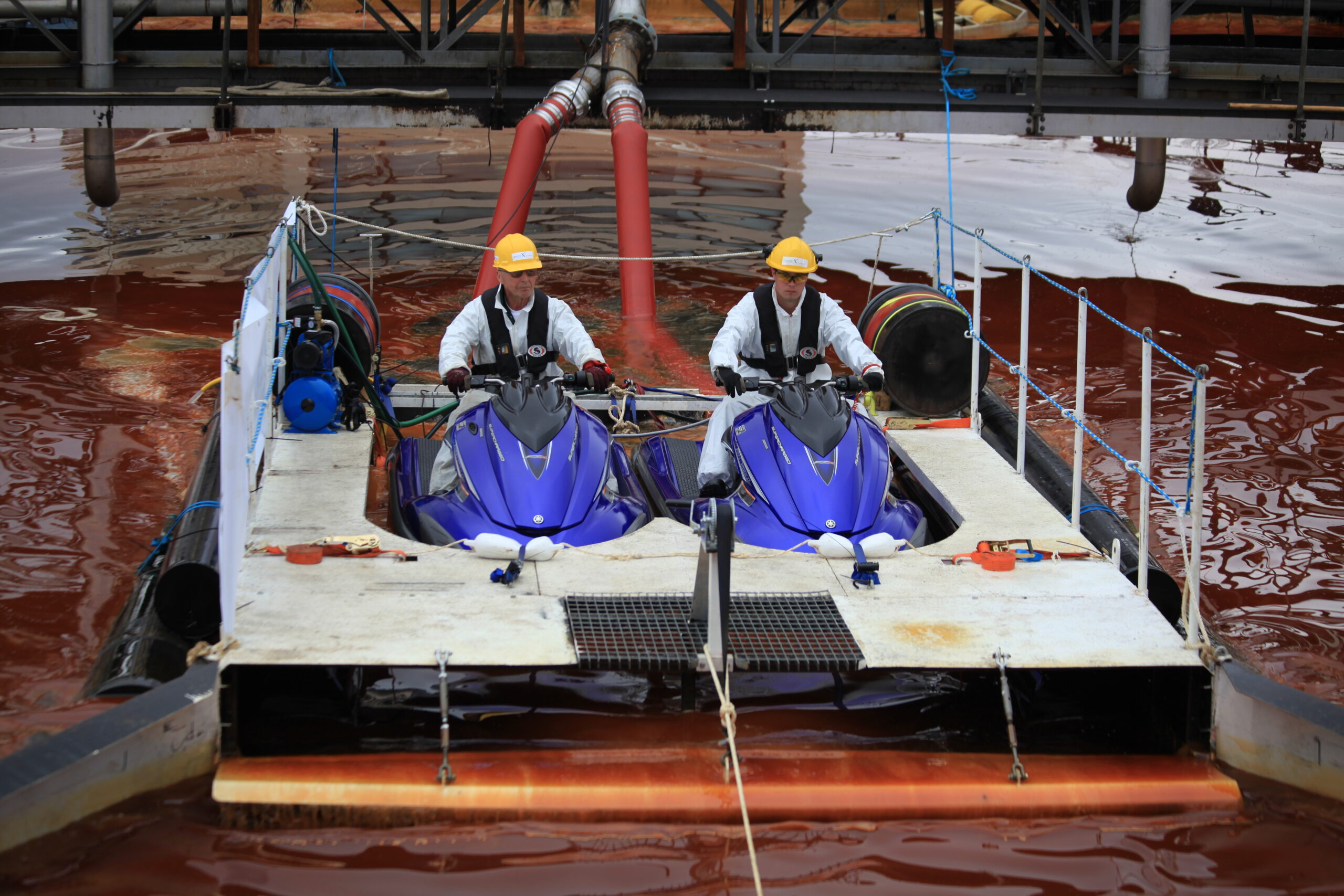
The winners did more in a handful of months than private industry had done in the two decades since the Exxon Valdez disaster.This morning in New York, just minutes before revealing the winners of the Wendy Schmidt Oil Cleanup X Challenge, Schmidt herself made what would prove to be the understatement of the event: “This is a powerful return on a relatively modest investment,” she said knowingly. A few minutes later we would find out just how right she was. Second place winner NOFI of Norway demonstrated technology that extracted 2,712 gallons per minute with an ORE of 83 percent. But audible gasps went up when the winning numbers hit the presentation screen. Team Elastec/American Marine had blown the competition out of the water, recovering 4,670 gallons per minute at efficiencies averaging 89.5 percent.
In other words, Elastec/American Marine nearly doubled the gallons-per-minute requirement for the X Prize. But perhaps a better way of looking at it is through the lens of the state-of-the-art. In just one year’s dedicated time, NOFI found a way to double the efficiency of the industry’s best available surface oil skimmers. Elastec/American Marine tripled it, doing more in a handful of months than private industry had done in the two decades since the Exxon Valdez disaster.
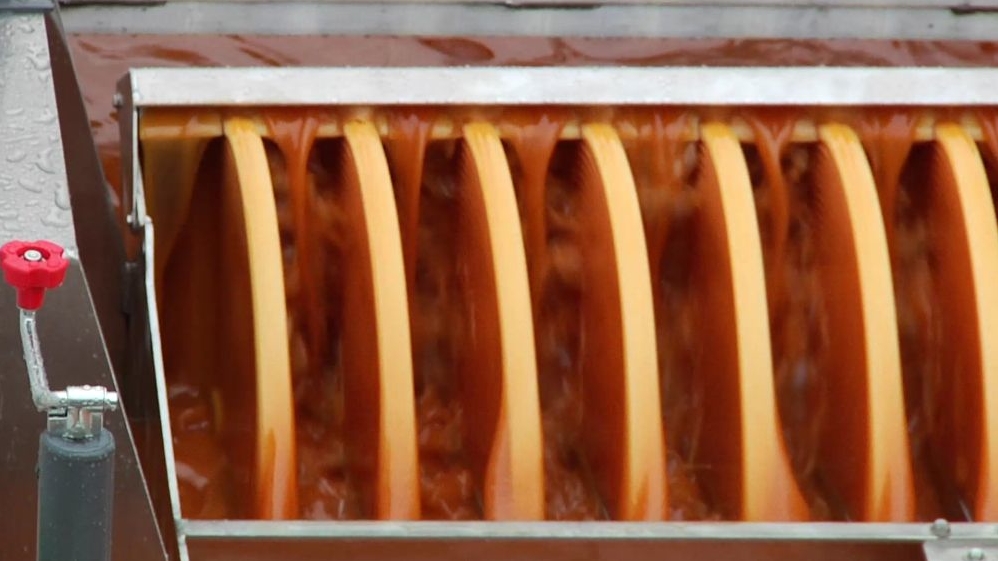
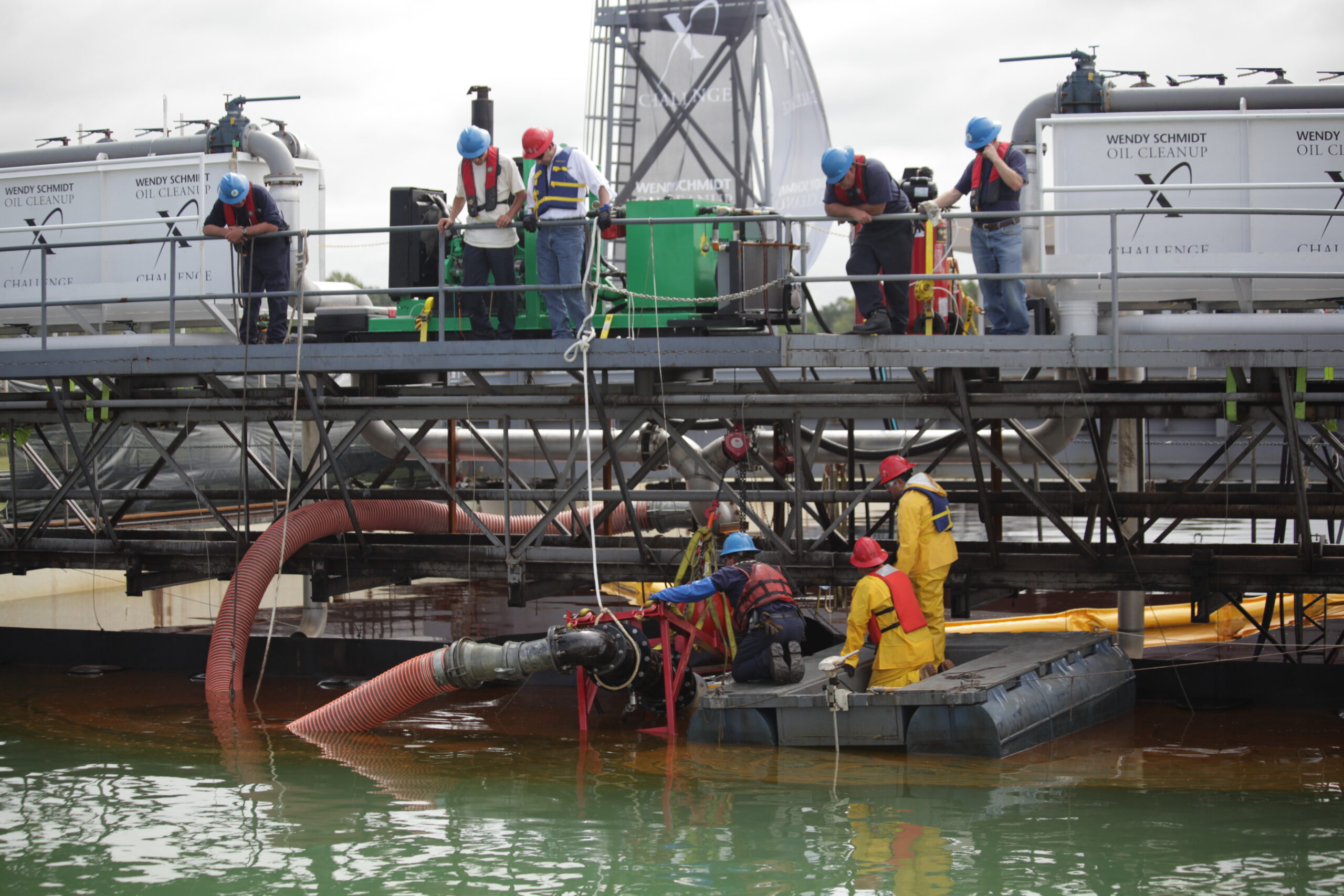
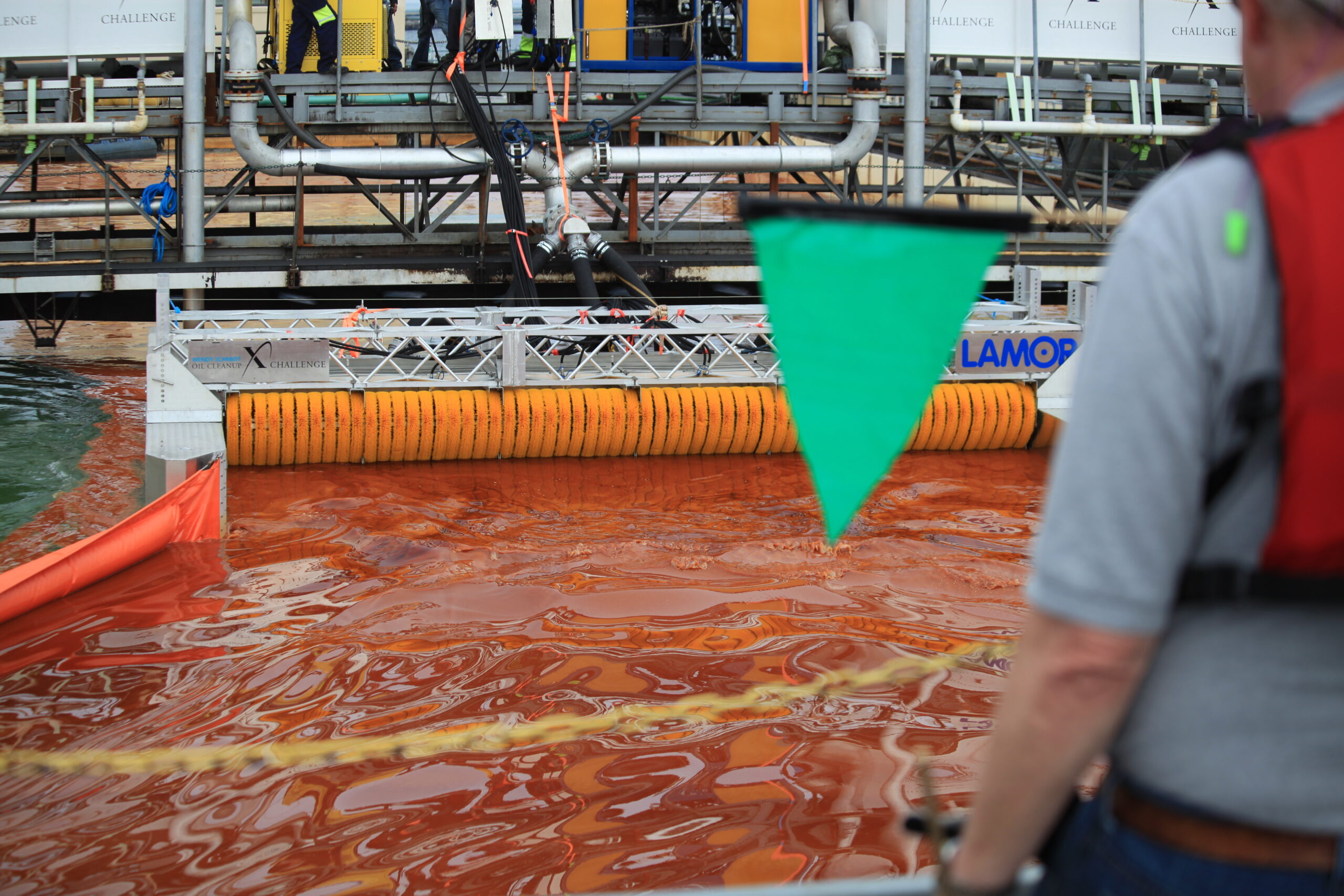
It wasn’t easy. Throughout August and September, the teams huddled at Ohmsett for 10 days each, removing oil with skimmers, booms, spinning axial devices and even a "shaver," testing amid calm seas and turbulent waves. Hurricane Irene briefly interrupted testing, and lent an air of harsh reality to NOFI’s efforts.
Each team completed a minimum of six tests, three in calm conditions and three with waves. Once the team was ready to go, the judges would wave a green flag to give the go-ahead, and Ohmsett staff would start the stopwatch, open the valves and let the group get to work.
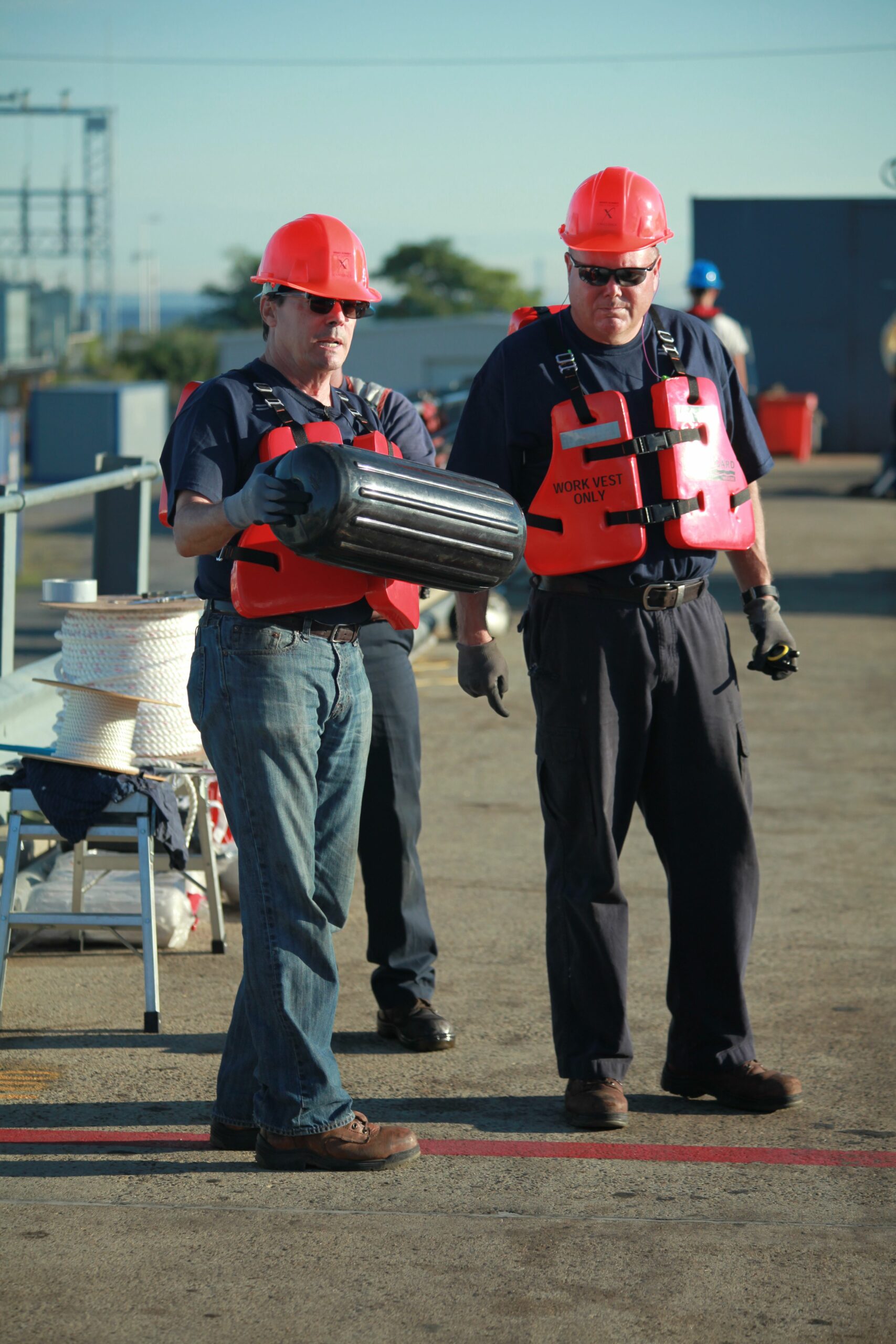
The competitors included a retired police inspector; two generations of one family; a tattoo artist; a former pro basketball player and several other entrepreneurs and inventors. Each team had its own judges, who consisted of industry reps, Coast Guard officials and marine conservation experts, examining each system according to various criteria, she added.
"It was a little bit like summer camp. People from all over the world get to come and hang out at this Navy base in New Jersey," Lindsay said.
But unlike summer camp, the work being done there was anything but carefree. The Deepwater Horizon oil spill and the weeks and months of unchecked pollution of gulf ecosystems placed a new urgency on finding ways to remediate waters fouled by man-made disasters, and the X Prize offered the financial impetus as well as the benchmarks for success that drove the search for better technologies.
“Nobody thought about an oil spill such as the Gulf oil spill, so nobody was asking for this,” Elastec/American Marine team leader Don Johnson said. “Nobody was asking for 2,500 gallons per minute.” Things like the X Prize are critical to pushing technology forward, Johnson said, because when there’s no industry demand for a technology and no customer to buy it, it doesn’t get built. And given the nature of disasters like Deepwater Horizon, the time when demand peaks—during an actual oil spill—is not the time to be developing and testing new technologies. During the Deepwater Horizon spill Johnson and his team were out on the gulf corralling oil with last-gen technologies rather than building new technologies in the workshop, he notes. They would have been better served if the new technology had already been on the shelf.
To tackle these kinds of challenges, we need to be proactive rather than reactive, Johnson said. Deepwater Horizon serves as a stark reminder of that. And just in case that’s not clear, there’s $1 million to drive the point home.
Five amazing, clean technologies that will set us free, in this month's energy-focused issue. Also: how to build a better bomb detector, the robotic toys that are raising your children, a human catapult, the world's smallest arcade, and much more.


Online Content Director: Suzanne LaBarre | Email
Senior Editor: Paul Adams | Email
Associate Editor: Dan Nosowitz | Email
Assistant Editor: Colin Lecher | Email
Assistant Editor: Rose Pastore | Email
Contributing Writers:
Rebecca Boyle | Email
Kelsey D. Atherton | Email
Francie Diep | Email
Shaunacy Ferro | Email
*click* "View Photo Gallery"...result "ACCESS DENIED"
What gives, PopSci? I just want to see pics of the competition, not hack into your servers.
Actually there was a company that did think about these sort of things. During the recent BP oil spill a very effective sand cleaning tool was introduced by a small company in Oregon. While Kevin Costner's machine may have gotten all the press, Equi-Tee Manufacturing Tarball Forks were quietly cleaning on the beaches of Alabama, Florida and Mississippi.
DUDE!, send this shit to New Zealand before this bloody librarian vessel destroys more of our golden beaches!
http://msnbc.msn.com/id/44854308/ns/world_news-asia_pacific/
Oil in our waters bad. Learning to better clean it up good.
Oil spill clean up and rapid response.
National Oil Spill Response Research & Renewable Energy Test Facility provides independent and objective performance testing of full-scale oil spill response equipment and marine renewable energy systems (wave energy conversion devices), and improving technologies through research and development.
What exactly is the purpose of the Ohmsett facility in New Jersey if the government has to go to outside sources for new technology?
This facility has been around for decades and we are still dependent on 1970's technology to clean up oil spills.
You can spend millions on new technology, but the basic fact about oil spill clean up is the need for rapid response to the spill.
The longer it takes to actually get on site and initiate clean up and containment, the less chance you have to recover the a majority of the oil.
OPA90
The Oil Pollution Act (OPA) was signed into law in August 1990, largely in response to rising public concern following the Exxon Valdez incident. The OPA improved the nation's ability to prevent and respond to oil spills by establishing provisions that expand the federal government's ability, and provide the money and resources necessary, to respond to oil spills. The OPA also created the national Oil Spill Liability Trust Fund, which is available to provide up to one billion dollars per spill incident.
n addition, the OPA provided new requirements for contingency planning both by government and industry. The National Oil and Hazardous Substances Pollution Contingency Plan (NCP) has been expanded in a three-tiered approach: the Federal government is required to direct all public and private response efforts for certain types of spill events; Area Committees -- composed of federal, state, and local government officials -- must develop detailed, location-specific Area Contingency Plans; and owners or operators of vessels and certain facilities that pose a serious threat to the environment must prepare their own Facility Response Plans.
IF this act had been taken seriously the Deep Horizon disaster would not have been as bad as it seemed to be.
The U.S. Navy has a large number of oil skinners and oil spill response equipment in its inventory.
ALL the equipment is stored and maintained primarily in 3 locations. They are Virginia,California and Alaska.
In the last 10 years all this equipment has been deployed for use just 2 times.
To the gulf coast.
Why there is NO equipment stored and maintained near the only place where it has been needed in the last 10 years is anybody's guess.
How Many Oil Wells Are in the Gulf? 3,858!
Yes, you read that right. 3,858 oil wells are in the gulf.
..........
Abandoned oil wells make Gulf of Mexico 'environmental minefield' AP investigation finds BP was responsible for 600 of more than 27,000 abandoned wells in the Gulf of Mexico.
The oldest of these abandoned wells dates back to the late 1940s and the investigation highlights concerns about the way in which some of them have been plugged, especially the 3,500 neglected wells that are catalogued by the government as "temporarily abandoned". The rules for shutting off temporarily closed wells are not as strict as for completely abandoned wells.
Regulations for temporarily abandoned wells require oil companies to present plans to reuse or permanently plug such wells within a year, but AP found that the rule is routinely circumvented, and that more than 1,000 wells have lingered in that unfinished condition for more than a decade. About three-quarters of temporarily abandoned wells have been left in that status for more than a year, and many since the 1950s and 1960s.
AP quotes state officials as estimating that tens of thousands are badly sealed, either because they predate strict regulation or because the operating companies violated rules. Texas alone has plugged more than 21,000 abandoned wells to control pollution, according to the state comptroller's office. In state-controlled waters off the coast of California, many abandoned wells have had to be resealed. But in deeper federal waters, AP points out, there is very little investigation into the state of abandoned wells.
..................
Food for thought...
The mere mention of Deepwater Destruction really pisses me off. As the BS wore on and on each day with NOTHING responsive being done, I got on here and plainly described exactly what was needed for a cap that would work. Guess what the cap that worked looked like? Yeah, to the letter. Am I an oil engineer? Nope. But the design was simple common sense and didn't need an army of idiots for a 'design team' to "respond" to a simple problem, which is EXACTLY what the Deepwater Disaster was. The problem could have been dealt with in three days, with expedited fabrication. I'm POSITIVE that there were HUNDREDS of people on and around that rig that had my exact design in mind on day one, because it only made sense. The end result? THE DISASTER WAS FORCED TO HAPPEN.
The shameful fact of the TRUE effect of DH? The U.S. people PAID the corporations that caused and forced the disaster to continue BILLIONS of dollars. The twenty B that BP put in the bank was less than a third what the U.S. people have paid them-BP and Dick Cheney, for creating the disaster. NOW THAT'S GOOD BUSINESS!!
Out of curiosity, how do we use this winning tech to extract the corexit tainted oil at the bottom of the Gulf. Better yet, how do we extract the corexit? Would it be like taking the "P" out of a pool? How do we extract the vermin from the Gulf who keep polluting it?