Stay up to date on the latest news of the future of science and technology from your iPhone with full articles, images and offline viewing
Featuring every article from the magazine and website, plus links from around the Web. Also see our PopSci DIY feed
Share links with friends, comment on stories and more
In our December issue, Popular Science names the 100 best innovations of the year: bombproof wallpaper, self-parking cars, the fastest helicopter, and 97 more. Plus inventor profiles and videos.
Check out the best of what's new here.
haha number one is pretty funny
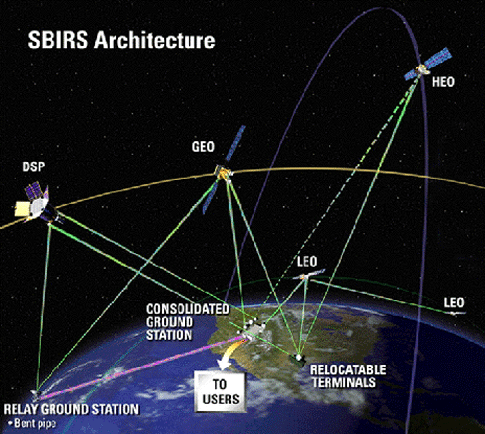
Two of those are not NASA missions. SBIRS is Department of Defense and NOAA-19 is National Oceanic and Atmospheric Administration.
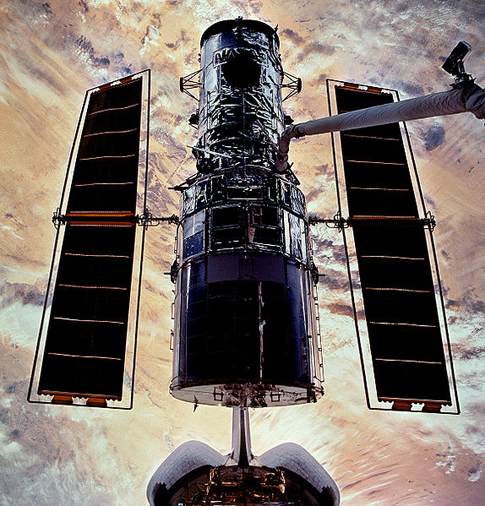
Er, wha? Hubble's main mirror was shaped incorrectly, not its lens.
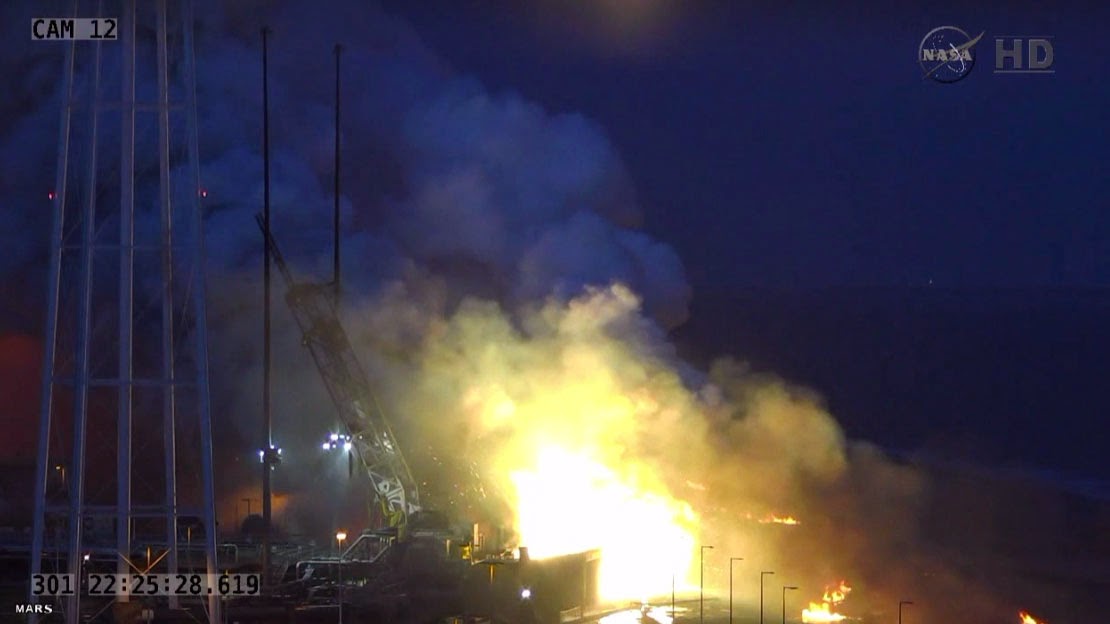
I heard number ten was because some idiot did not arm the pyros on the faring and they launched the rocket that way.
You'd think they would install some sorta poke-yoke or fool proofing system and protocol on the pad.
Such as the ignitors for the first stage will not operate unless the rest of the pryos are armed and show continuity.
How come Columbia didn't make this list? Seems to me that was a pretty big screw-up on NASA's part.
that dosent make sense why should the columbia be a part of this it has nothing to do with it it was a simple mistake they did not see the leaking hydrogen and well it ignited and that was the last of that crew coolguy 566
coolguy 566
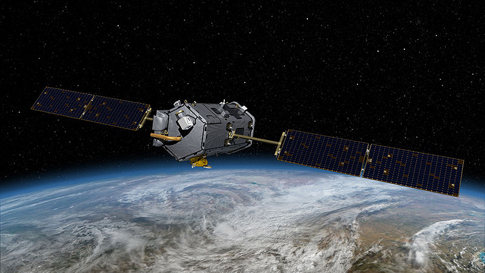
Hmm. Blaming all of these on NASA? Let's see: #10, the OCO, was riding on a commercial launch vehicle built by Taurus, following the oft-hyped concept that private industry can function in the space business far cheaper and just as reliably as NASA. The screw-up was theirs.
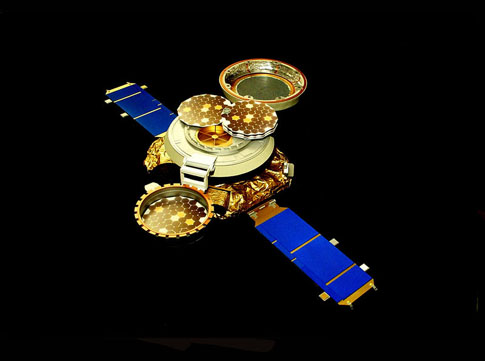
#4, the MPL: Heinlein wrote that the moon is a harsh mistress, but it turns out that Mars is a real b*tch. Out of 38 unmanned missions by the USSR, Russia, the US, ESA, England and Japan since 1960, all but 15 failed and only 8 met their original goals; the US has by far the highest success rate with the broadest range of mission types. MPL a screw-up? Not really; planetary exploration is difficult, with millions of factors just waiting to bite you.
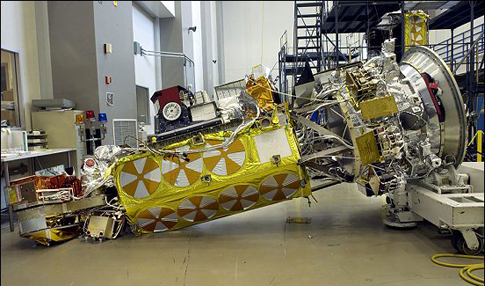
And #1, NOAA-19? How is NASA to blame for a systemic failure by Lockheed Martin to follow established safety procedures? Their fault was so severe and inexcusable that they reimbursed NASA for the spacecraft's repairs.
So, PopSci, get your facts straight before engaging in more NASA bashing.
The trouble with Hubble wasn't Zero-G, it was a missing 1 mm spacer in the lens-grinding setup. Perkin-Elmer had a hard time getting that job, because they had recently ruined a 3' mirror that had taken a year to make, when it was being carried over for aluminizing, and somebody tripped on a chunk of wood left laying around.
Bob Stuart
We can change anything.
But we can never change
just one thing.