Rebecca Boyle

Mutant Bacteria Are Likely to Threaten Future Space Travelers


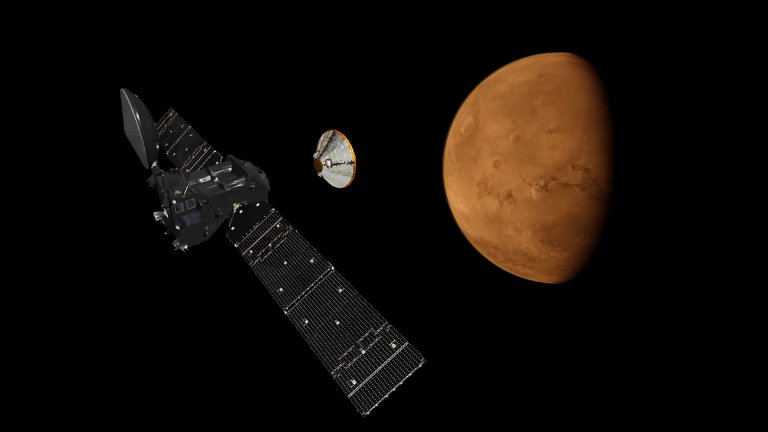
When humans eventually travel to Mars and beyond, they'll have plenty to worry about along with the discomforts of eating freeze-dried food and drinking their own urine. A new report says they will probably be really sick, to boot -- from flare-ups of E. coli, chicken pox or staph infections.

A host of microscopic stowaways could make interplanetary voyagers sick, especially because human immune systems are compromised in space, and because bacteria seem to thrive in micro- or zero-gravity environments.

[ Read Full Story ]
Feature

20 Teams Build High-Tech Houses in "Solar Village" Competition

The National Mall was transformed into a futuristic commune for the past two weeks as 20 teams from four countries erected solar-powered homes

The bright future of green living has been on display for the past two weeks at the National Mall in Washington, D.C., during the Department of Energy's 2009 Solar Decathlon. The biennial contest, which wraps up this weekend, brings hundreds of university students from around the world to a temporary solar village for two weeks, where spectators can walk through student-designed houses and marvel at the latest green tech.

These solar homes have it all, including things that aren't commercially available yet -- like self-activating curled-metal shades; walls made of plants, both living and recycled; and roofs that tilt at the sun, making them efficient sun-catchers from Phoenix to Fargo. Worried about efficiency while you're away? How about an iPhone app that controls your entire house?

[ Read Full Story ]

How To Watch NASA Smash a Rocket Into the Moon Tomorrow Morning


The harvest moon--which came a couple weeks late this year, on Oct. 4--has long allowed farmers to gather their crops late into the night, using moonlight as a beacon.

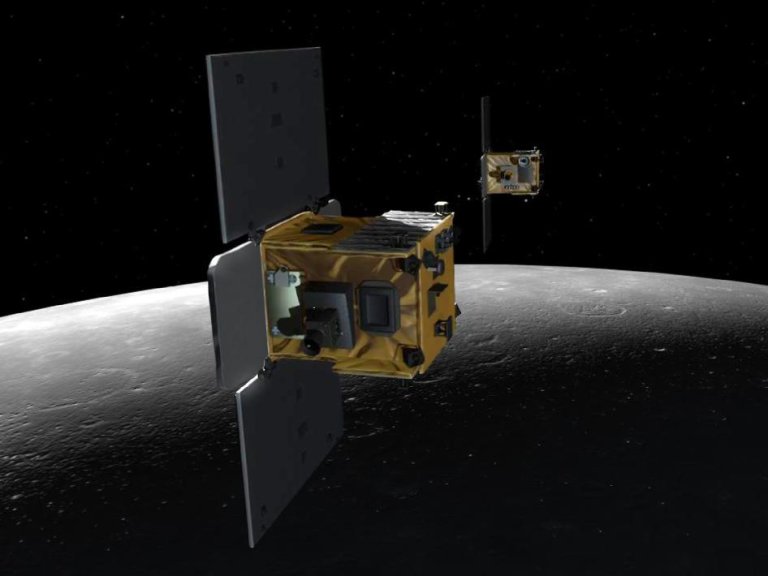
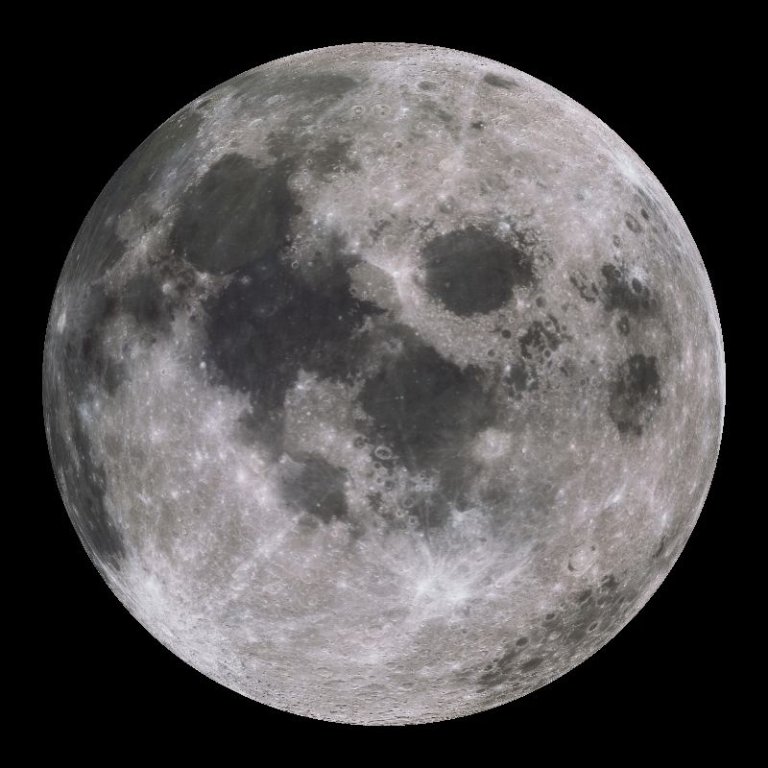
Someday, the moon might yield a harvest of its own, thanks to a natural supply of water. A NASA probe is set to crash into the moon this week in search of that potential bounty. Here's how you can watch it from here on Earth.

[ Read Full Story ]
Feature

The State of the Art of Electronic Noses

Three new e-noses use three different methods to sniff out everything from freon to fatty acids

A rose by any other name would smell as sweet; we all know that. But what about a rose smelled by a non-human nose? What would it smell like?

Well, an electronic nose is no Shakespeare, so you'd lose some of the poetry. But a new generation of e-noses is is poised to give a whole new meaning to the sense of smell.

[ Read Full Story ]
Feature

Algorithm Generates a Virtual Rome in 3D from 150,000 Flickr Users' Photos


Dubrovnik in 3-D:  University of Washington
They came, they saw, they took pictures. And thanks to them -- about 150,000 Flickr users -- a team of computer scientists built Rome in a day.

Using nearly half a million Flickr photos of Rome, Venice, and the Croatian coastal city of Dubrovnik, a team of computer scientists at the University of Washington's Graphics and Imaging Laboratory assembled digital models of the three cities in 3-D.

[ Read Full Story ]

Better Tomatoes Via a Fertilizer of...Human Urine?


You say tomayto, I say tomahto.

You say Miracle-Gro, I say ... pee.

Apparently, human urine works remarkably well as a fertilizer for tomatoes, according to a new study out of Finland.

Plants fertilized with a mixture of stored human urine and wood ash produced 4.2 times more fruit than plants without the pee, the study found. The urine-fertilized tomatoes had more beta-carotene than unfertilized ones, and much more protein than traditionally fertilized plants.

[ Read Full Story ]
Feature

iPhones for the Blind


Blind Man with Touch Interface:  courtesy of Sungkyunkwan University in South Korea

Quick, get out your iPhone. Unlock it and slide over to that game you've been playing when your boss isn't looking. Now mute it, put the phone to sleep, close your eyes, and try to do that again. Can you do it? Didn't think so.

There's not a simple way to use touchscreens when you can't see what you're doing, which means 10 million blind and low-vision Americans can't use this ubiquitous technology. But what if you could feel it? What if the "slide to unlock" key was an actual slide? Even better, what if you could have a Braille iPhone?

Led by a scientist at NASA's Jet Propulsion Laboratory, an international group of researchers is hoping the same technology that could provide amputees an artificial arm could help blind people access the wireless world.

[ Read Full Story ]

Ball Aerospace: Where Satellites Come From

PopSci visits the Colorado facility of the company that makes satellites, advanced instruments, and mason jars

When it comes to space, what goes up must be sturdy, safe and secure if it's to live very long. Satellites must survive the bone-rattling jostle and pressure of launch, and once they reach orbit, they've got to weather the vast temperature changes they experience with every sunrise and sunset. Their skins must be thick enough to survive pummeling by micro-debris, and they'd better have trusty gyroscopes to be able to change directions or keep their balance.

[ Read Full Story ]

Jet-Mounted Radar Looks for Earthquake Zones

The Jet Propulsion Laboratory's UAVSAR project scans California's faults from 45,000 feet up

Southern Californians may be living on borrowed time. At least two sections of the notorious San Andreas Fault, a hotbed of tectonic tension, are apparently overdue for a huge earthquake that could devastate Los Angeles County or San Francisco. Though they can neither prevent nor pinpoint it, scientists would like to get as much information as they can as to where and when the next "Big One" could happen. Increasingly, they're turning to air and space to learn what's happening 10 miles underground.

A new radar plane developed at NASA's Jet Propulsion Laboratory is the first American system designed to map earthquake hot zones.

[ Read Full Story ]

Finding Nature's Most Efficient Flight Mechanism

Caltech's Robofly and Bride of Robofly, inspired by spinning maple seeds, have found that multiple evolutionary paths across both plants and animals all appear to lead to a universal ideal


Movie courtesy of David Lentink

With the help of a two-foot-wide robotic fly, a vat of oil, and some tricks with smoke and lasers, an aerospace engineer has learned that Mother Nature figured out long ago the most efficient way to fly. Well, at least if you're really small.

[ Read Full Story ]
Page 1 of 3 123next ›last »


Download Our iPhone App

Stay up to date on the latest news of the future of science and technology from your iPhone with full articles, images and offline viewing


Follow Us On Twitter

Featuring every article from the magazine and website, plus links from around the Web. Also see our PopSci DIY feed


Become a Fan On Facebook

Share links with friends, comment on stories and more


November 2009: Astronaut 3.0

Inside NASA's astronaut bootcamp and the grueling new training regimen for deep space. Plus, ten young geniuses shaking up science today, one writer's quest to analyze every man-made chemical in her body and more.

Check out the issue's full contents online here

Popular Science Photo Pool


Share your photos in the Pop Sci pool at www.flickr.com!
tags_sprite.png
POP_embeddedForm_cover_May09.jpg