10 of the world's deadliest diseases—and why they might wipe us out yet
By Matt RansfordPosted 7.2.08 at 12:00 pm 2 Comments
<
IMAGE 1 OF 10
>
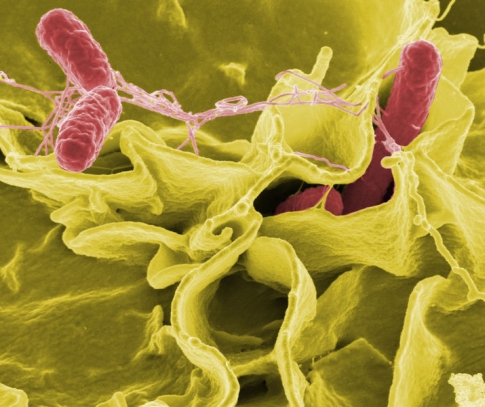
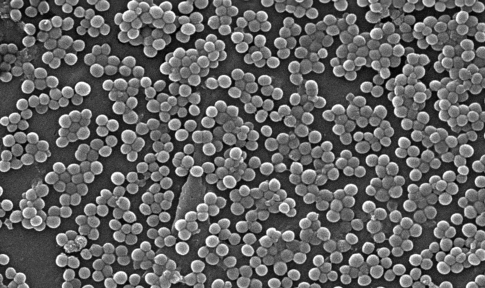
Salmonella and E. coli
NIH
This year's big foodborne threat is killer tomatoes. Two years ago, spinach up and vanished from grocery store shelves around the country. Michael Pollan will be the first to tell you why: "Eighty percent of America's beef is slaughtered by four companies, 75 percent of the precut salads are processed by two and 30 percent of the milk by just one company." The consolidation of the industrial food supply necessarily means that any pathogen which enters the system will have no trouble finding its way to your dinner plate, heedless of global distances.
Compounding that problem, we have the issue of antibiotics being administered as a preventative measure in livestock and poultry. Animals are routinely fed these medicines as part of their diet, whether they are sick or not. This indiscriminate use has undoubtedly led to a reduced efficacy of antibiotics in humans. Dr. Arjun Srinivasan, a medical epidemiologist with the CDC, notes that we don't know whether overuse of antibiotics in humans is ultimately worse than overuse in animals, but that "there are those who say, if you look at the absolute amount of antibiotics that are used in animals, [it] vastly outweighs the amount that's used in humans. So therefore, that may actually be a larger component" of the problem.
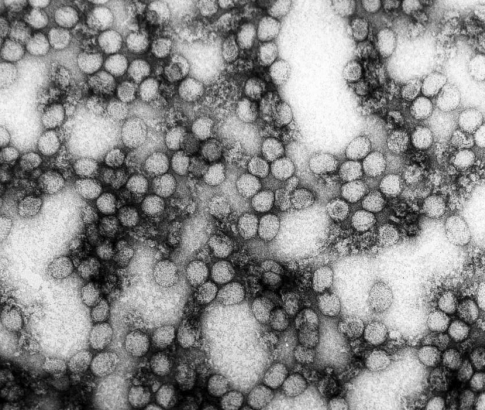
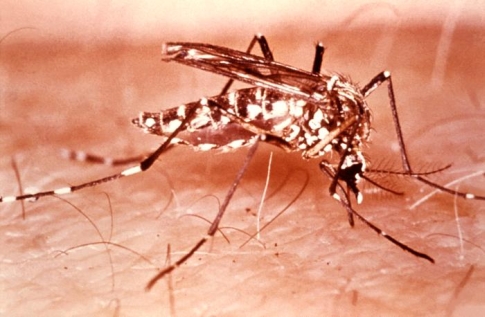
The first of two agents on our list spread by the Aedes mosquito, the yellow fever virus wasn't been much of a concern in the latter half of the twentieth century. Malaria control efforts in the 1950s successfully decimated the Aedes population, and with it the occurrence of yellow fever. In the past few decades, however, the mosquito has returned and is ranging much further than previous generations. It's also making its way into urban environments, which it has done in the past—an outbreak nearly wiped Memphis off the map in 1878—but in recent memory, it has been confined to the tropical jungles.
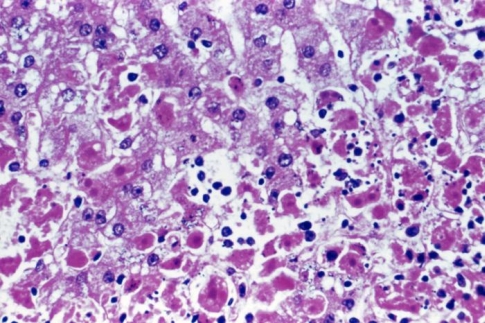
The fever gets its name from the jaundice it can cause after a few days of infection. Later comes internal bleeding (it's a hemorrhagic fever like Ebola and Marburg) followed by bloody vomit with the consistency of coffee grounds. What is most worrying about its return to cities is that it achieves a higher mortality rate among dense, unexposed populations—up to 30 percent. Recent outbreaks in Paraguay and the Ivory Coast have health officials racing to vaccinate as quickly as possible. While an effective vaccine exists, there is no treatment and no cure.
To be fair, the Spanish flu really spread that badly because of World War 1. It's actually supposed to be the French or German flu, but those countries had a media black-out during the war. Spain didn't and when the flu spread to there, Spain was the first country to report on it in a major capacity. But the real breeding ground were the incredibly unhygienic and close-quarter environments of the WW1 trenches.
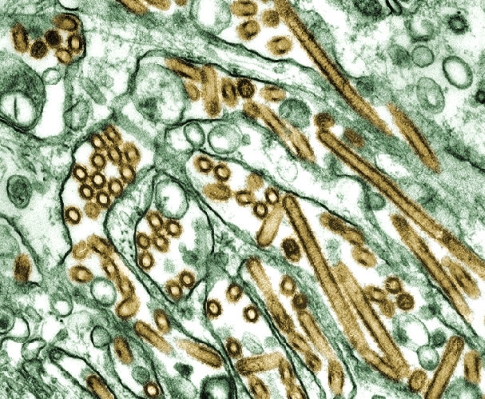
Not that Avian flu wouldn't spread wildly today, but I don't think a comparison with the 1918 epidemic is entirely accurate.
To be fair, the Spanish flu really spread that badly because of World War 1. It's actually supposed to be the French or German flu, but those countries had a media black-out during the war. Spain didn't and when the flu spread to there, Spain was the first country to report on it in a major capacity. But the real breeding ground were the incredibly unhygienic and close-quarter environments of the WW1 trenches.
Not that Avian flu wouldn't spread wildly today, but I don't think a comparison with the 1918 epidemic is entirely accurate.
There is some speculation that the mutation that made the 1918 flu so deadly occurred in Kansas. We'll likely never know.
Actually, the real breeding grounds were the troop transport ships and crowded conditions in the cities of both Europe and the USA.