Researchers found what they believe is a 2,000-year-old map of the stars
The star catalog was made by ancient Greek astronomer Hipparchus around 162 and 127 BCE, 1,400 years before the telescope.

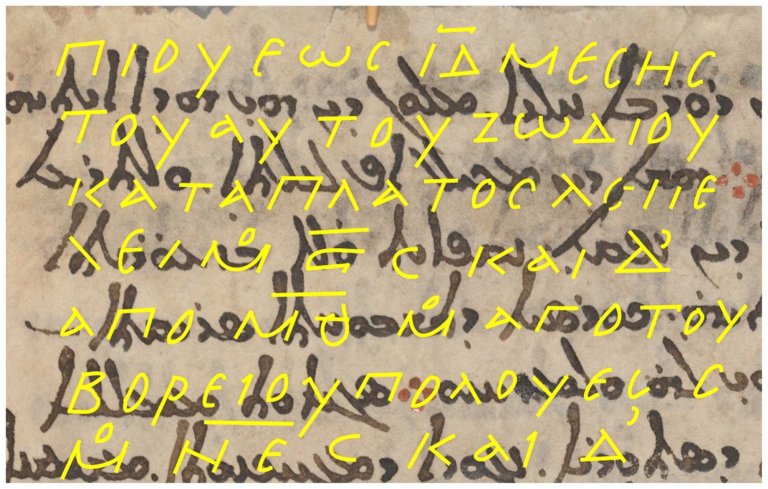
The star catalog was made by ancient Greek astronomer Hipparchus around 162 and 127 BCE, 1,400 years before the telescope.
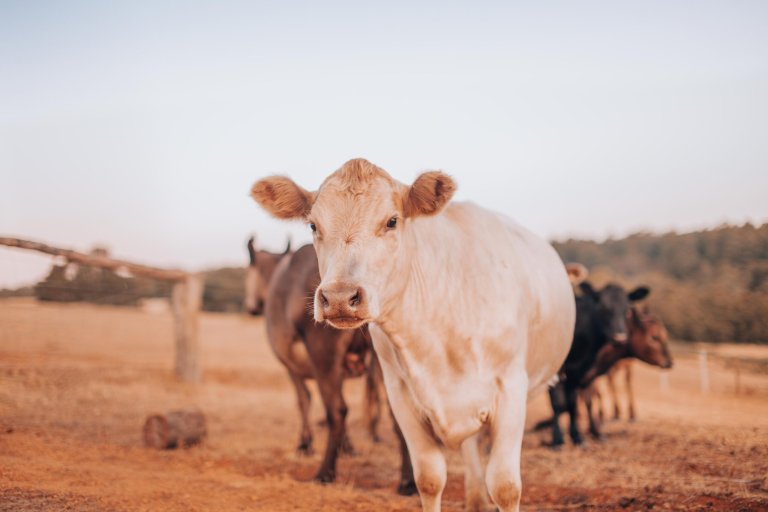
Livestock is a significant contributor to carbon emissions—and now the industry could pay.
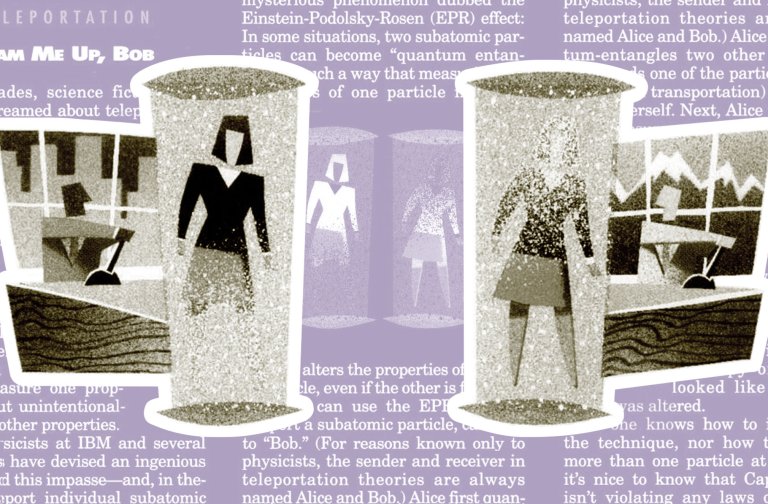
Physicists are making leaps in quantum teleportation, but it's still a long ways from 'Star Trek.'
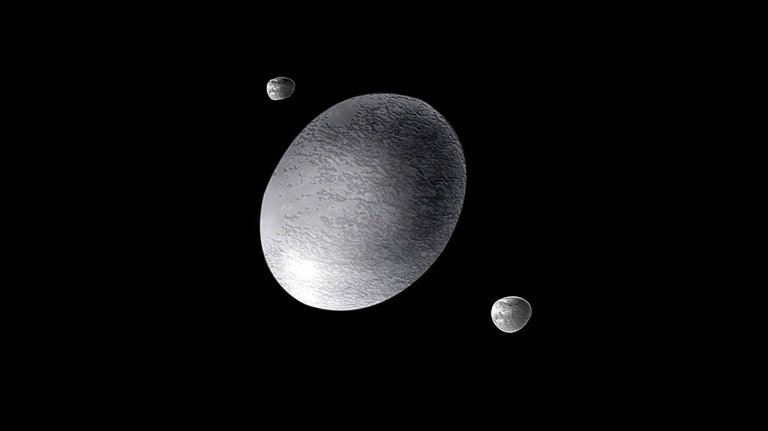
The football-shaped Haumea may reveal clues about icy worlds.
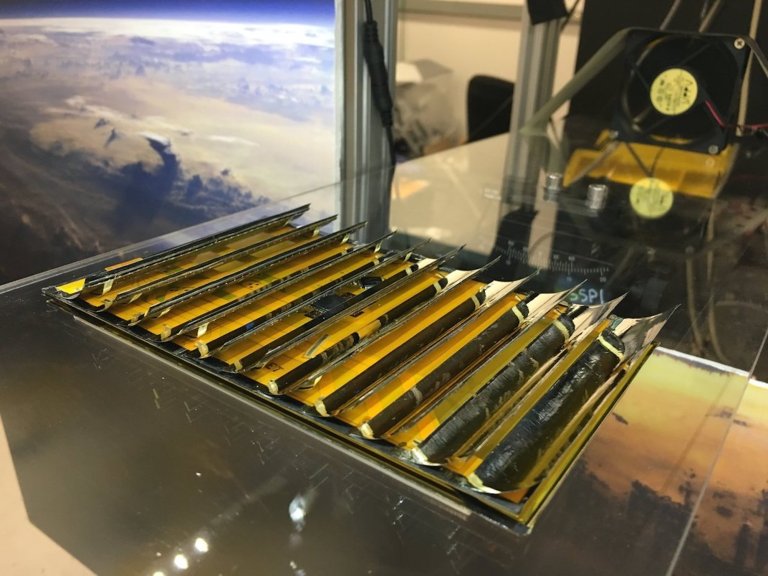
Caltech researchers are preparing a tiny solar panel satellite system that can beam energy back to Earth.
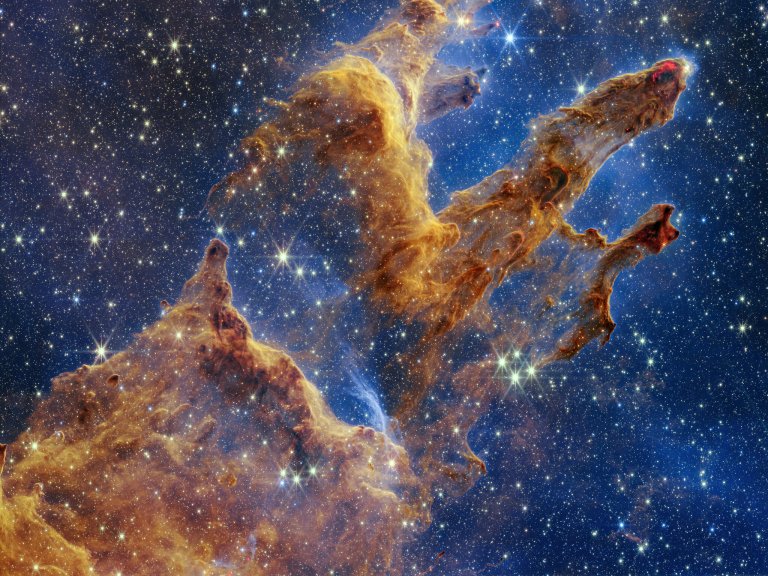
First imaged in 1995, this iconic kaleidoscope of color is part of the Eagle Nebula.
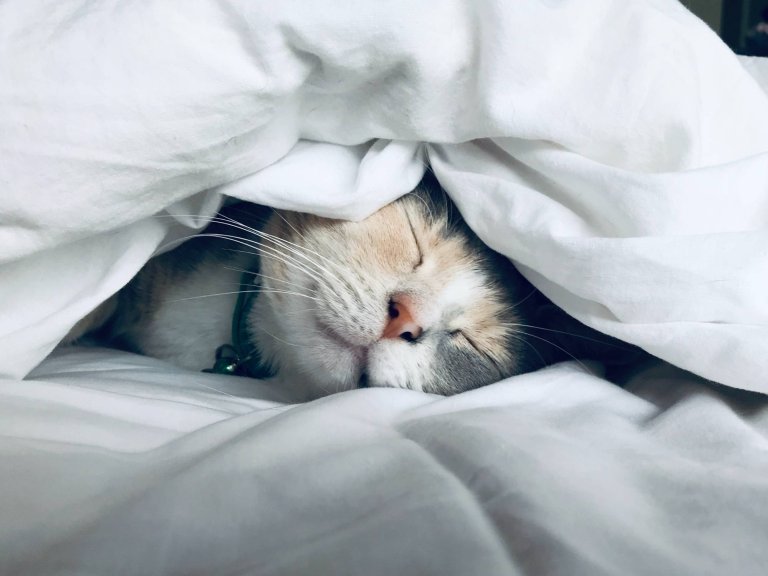
Winter is coming, and getting out of bed in the morning will get increasingly harder.
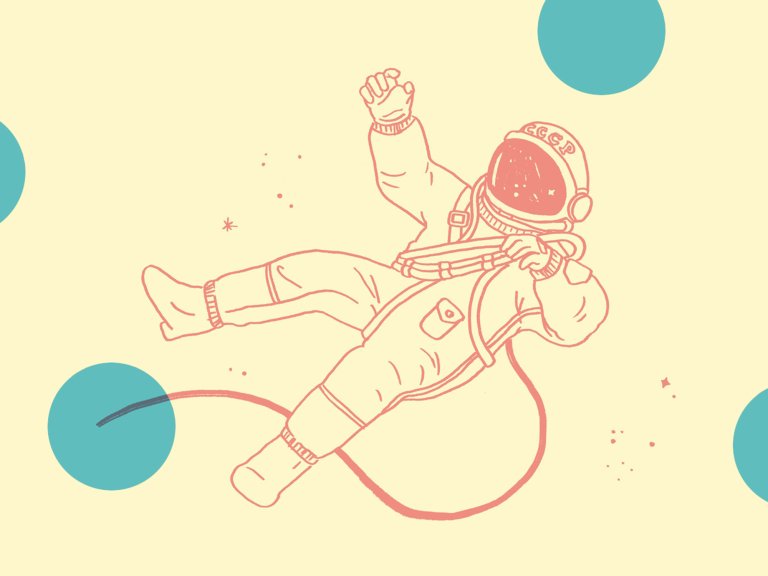
The perils of stepping outside the spacecraft, then and now.
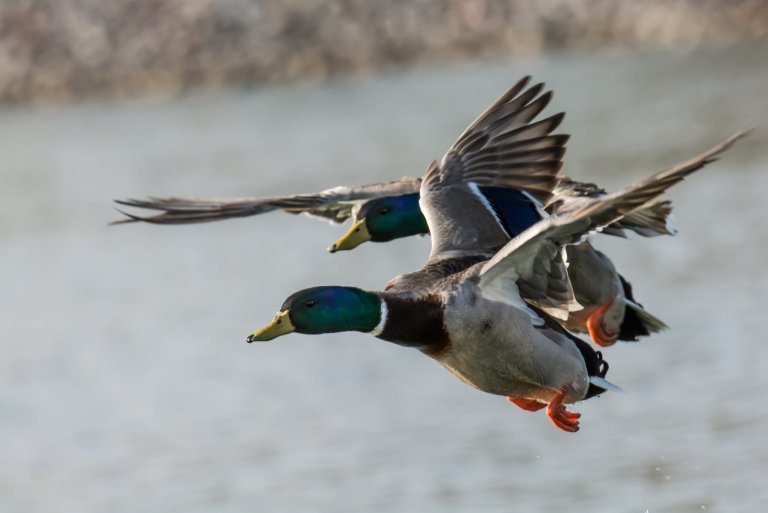
Duck populations have risen 34 percent since the 1970s, while threatened species dropped 67 percent.
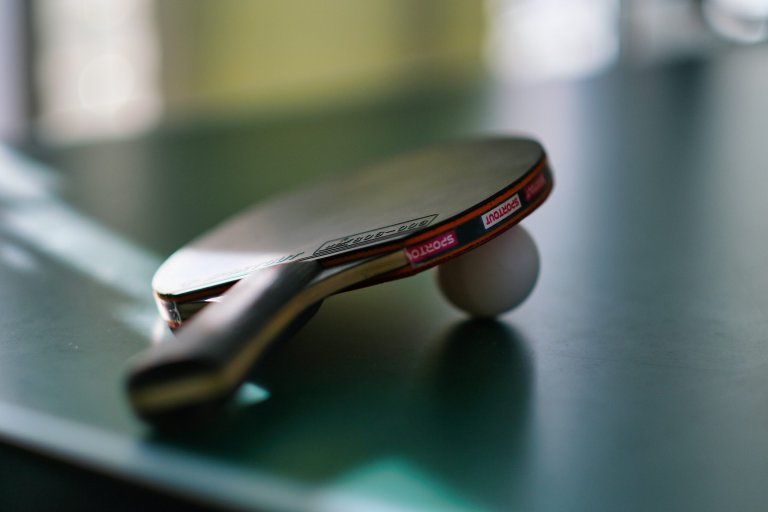
Here's how a machine learns to rally.
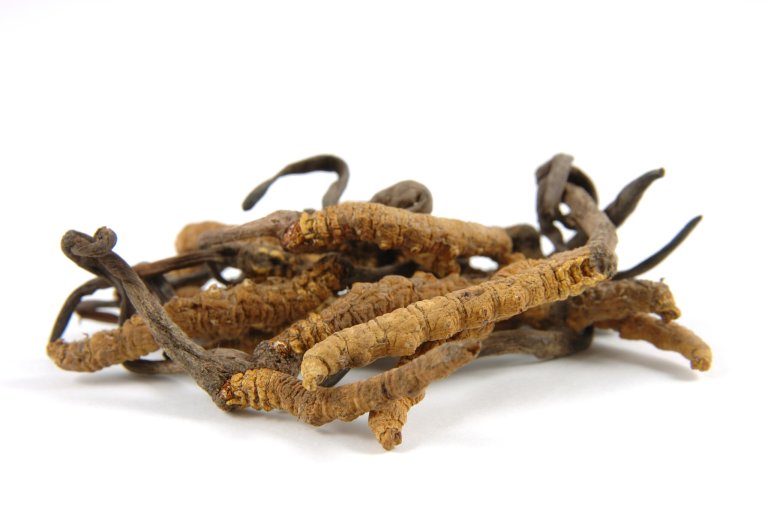
The therapeutic potential of a Cordyceps mushroom depends on what it eats.
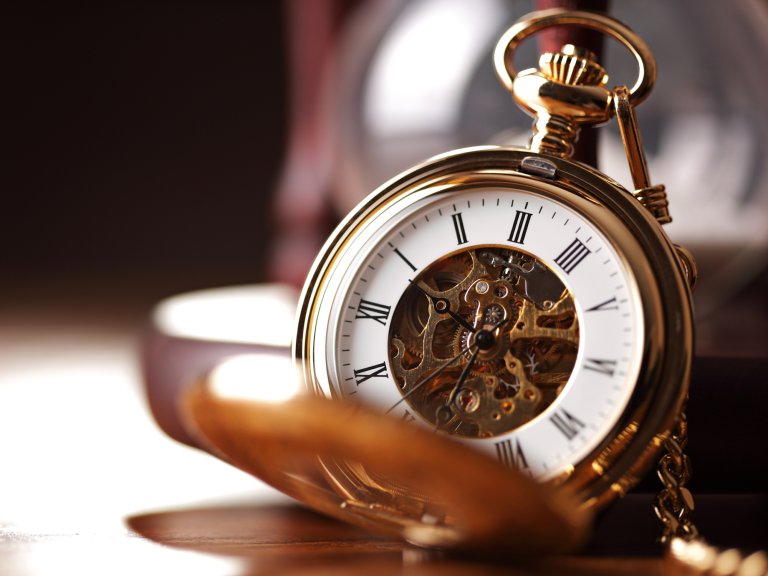
A Chinese research team set a new distance record for syncing two timepieces thanks to some very precise lasers.
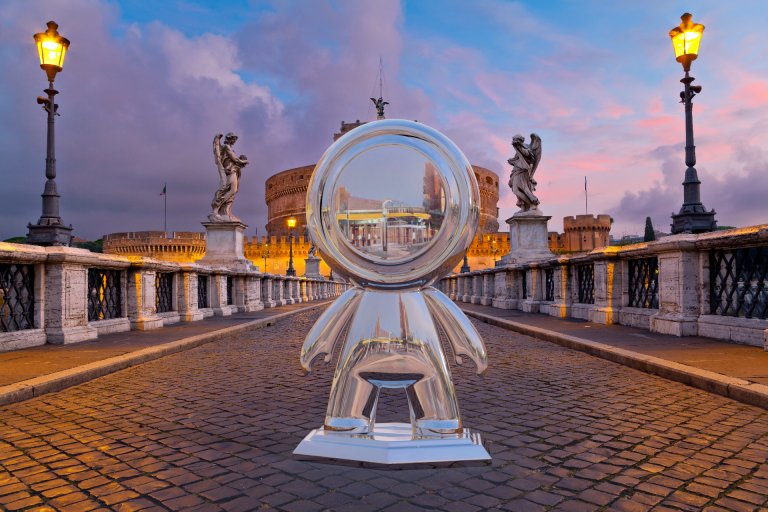

The enormous ostrich-like bird flocked through the eastern part of North America during the Cretaceous period.

Netflix's upcharge for account sharing is expected to arrive early next year.
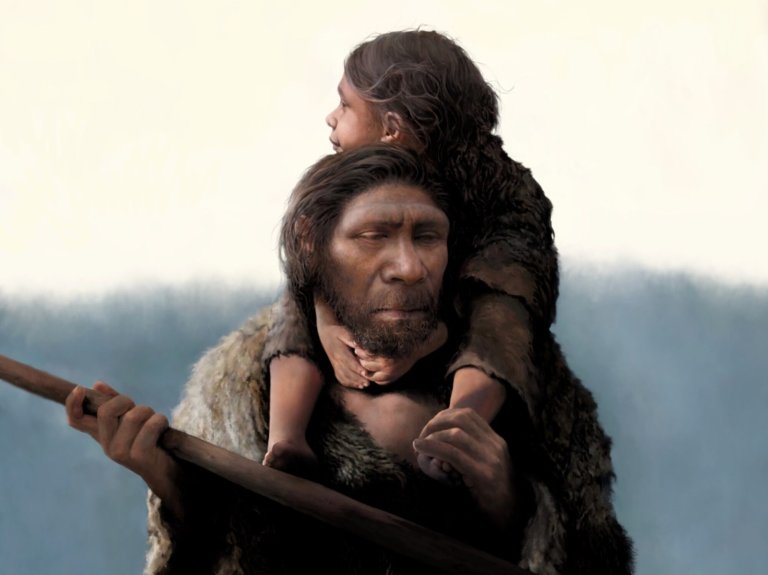
The DNA of this Neanderthal unit gives a glimpse into the social bonds of our most distant ancestors.
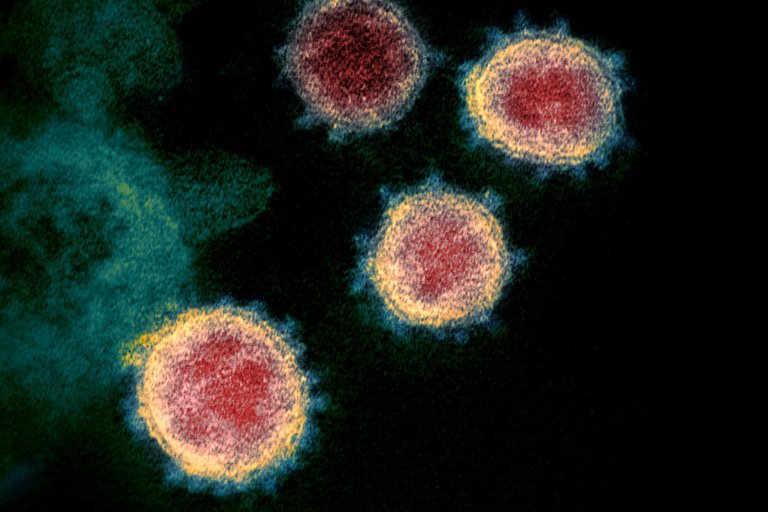
The research was conducted under secure conditions—and the virus itself is less dangerous than the original COVID-19.

Plus other fun facts from The Weirdest Thing I Learned This Week.
These scientists and engineers are taking on some of medicine, chemistry, and society’s biggest challenges—and succeeding.
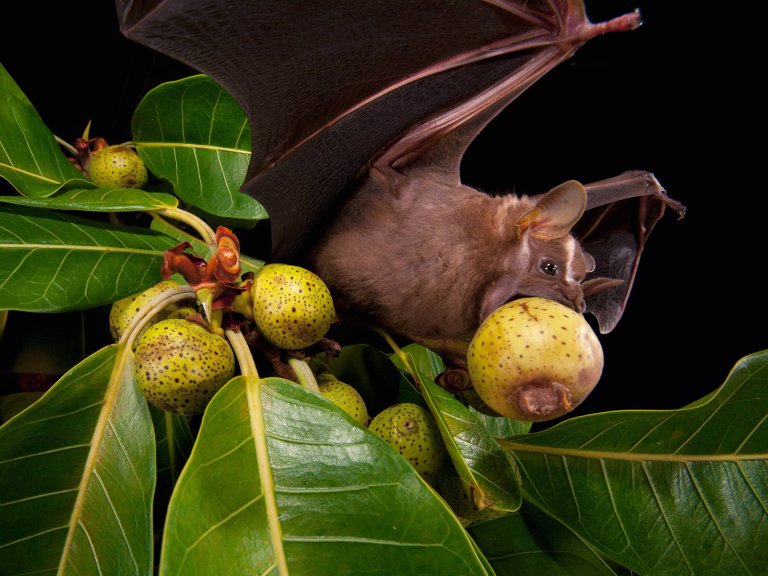
Help a bat out, get some spooky cred in return.