Why this summer might bring the wildest weather yet
El Niño has been rough. Its departure could be even rougher.

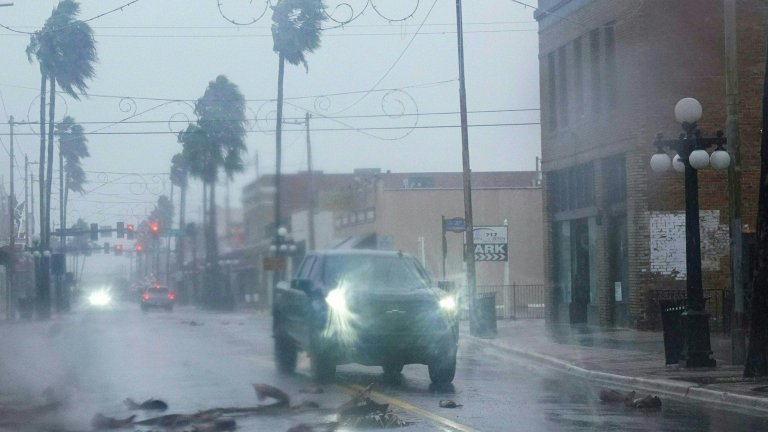
El Niño has been rough. Its departure could be even rougher.

An experimental 'organ-on-a-chip' could mean testing on fewer lab animals.

Get more screen real estate without the need for multiple monitors.
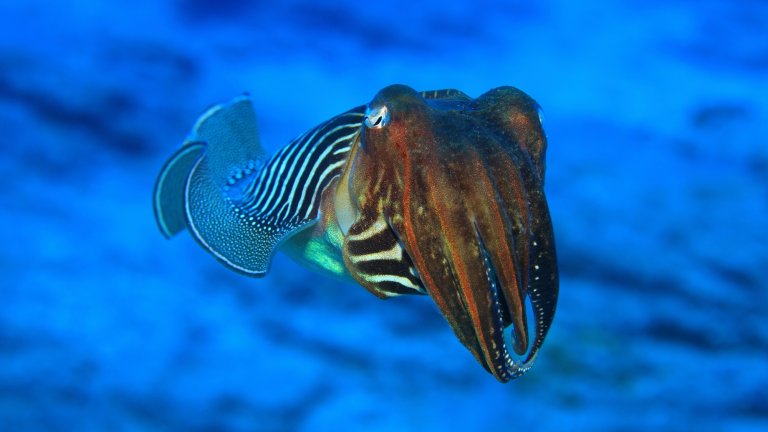
It’s not the first time the cephalopod influenced bot designs.
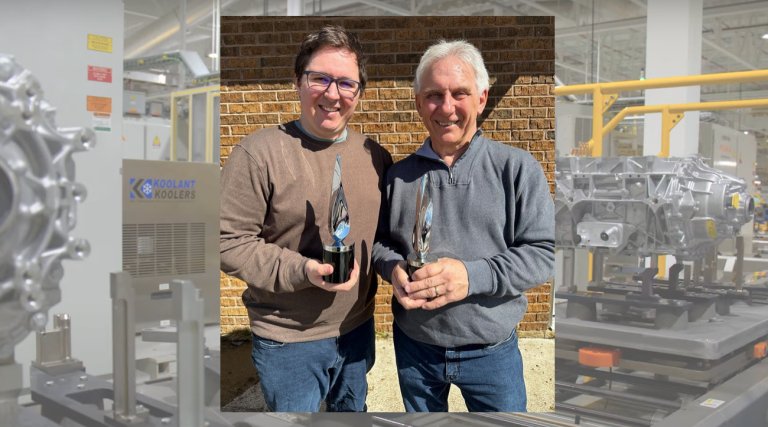
Walter and Lou LaPlante won the Henry Ford Technology Award nearly two decades apart for their contributions to the automaker’s plant operations.
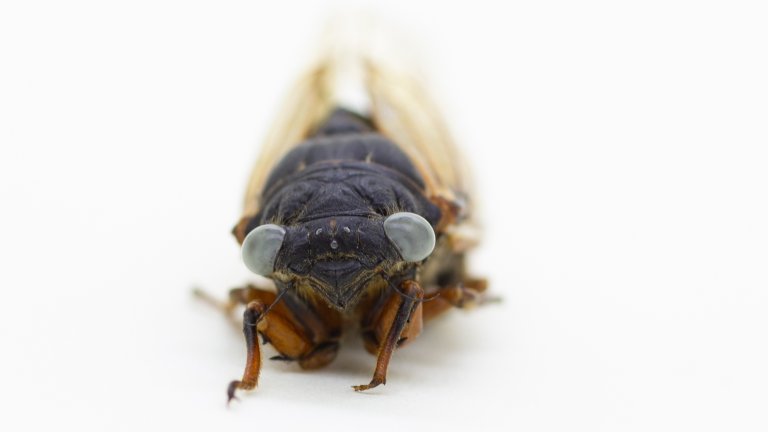
This female Brood XIII cicada has a rare genetic mutation that turned its eyes a very unusual color.

Researchers have captured what might be the first known recording of a colossal squid living freely in its natural habitat.

Two of Germany’s most famous Iron Age burial mounds suggest nobility was passed down by mothers.
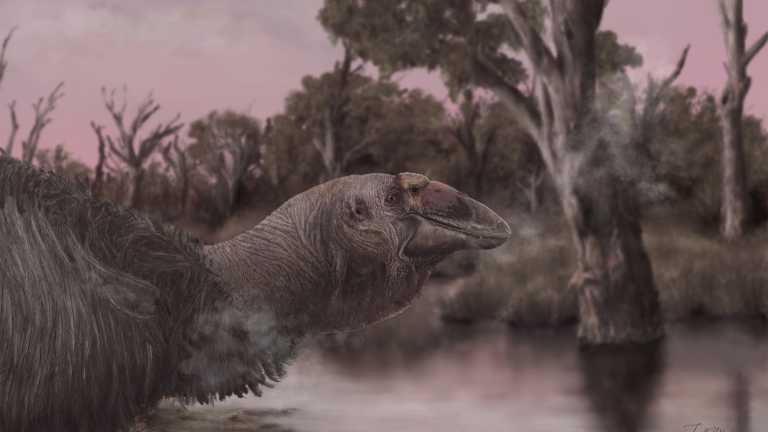
The 'thunder bird' Genyornis newtoni lived alongside humans and went extinct about 45,000 years ago.

A first-of-its-kind website has been created by prominent experts in this field.
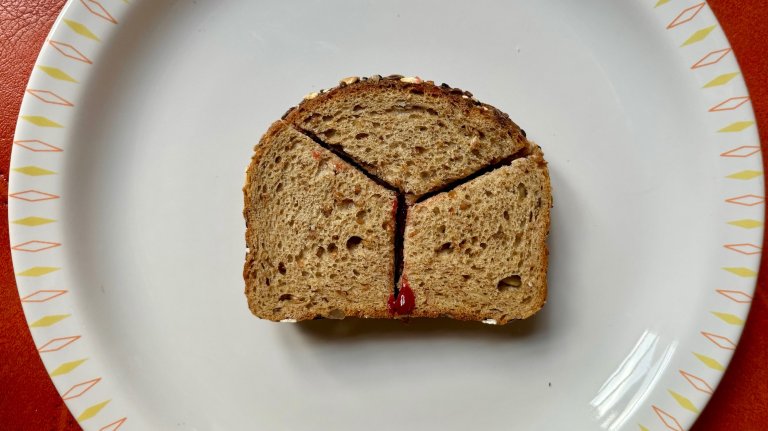
Experts slice up the horizontal vs. diagonal vs. Y cut debate.
Cronkite completely blew it—not by being wrong, but by being right way too slowly.
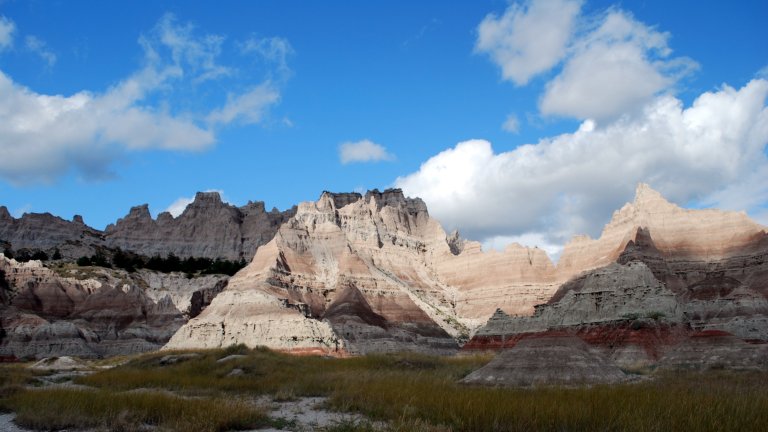
Explore the beautiful places where prehistoric mysteries come to life.
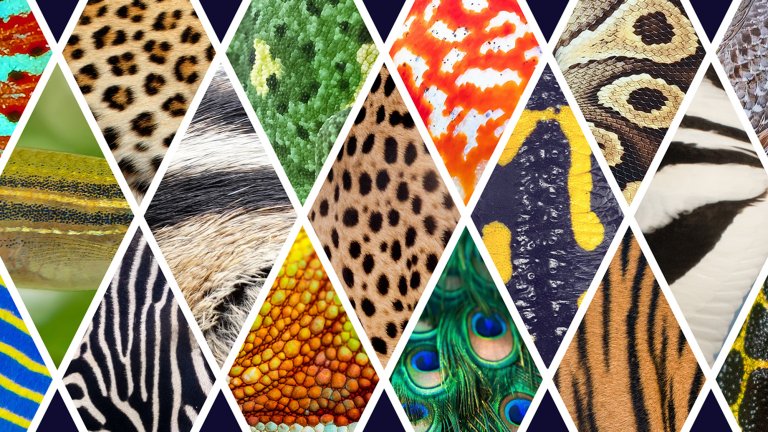
More than 70 years ago, mathematician Alan Turing proposed a mechanism that explained how patterns could emerge from bland uniformity. Scientists are still using his model—and adding new twists—to gain a deeper understanding of animal markings.
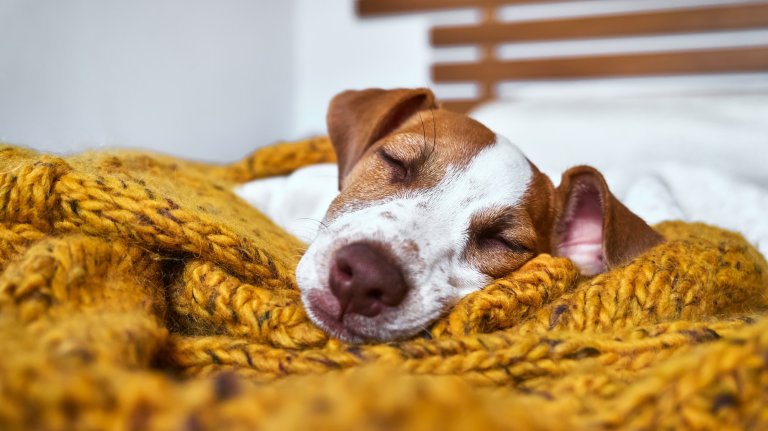
Snoozing dogs twitch, woof, and flop in their sleep. But what's going on inside their brains?
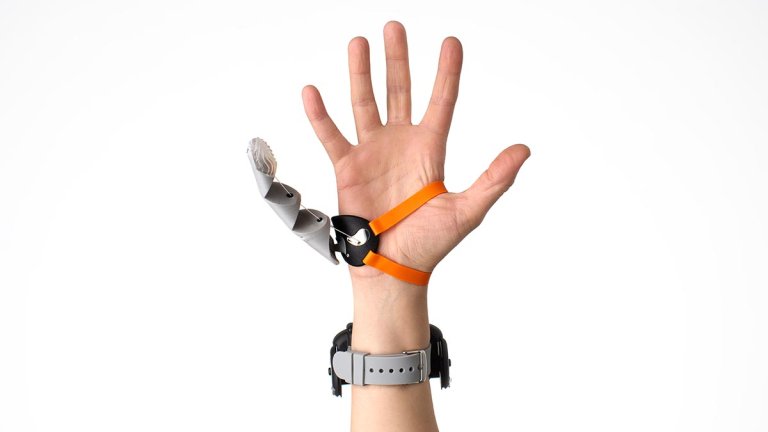
Testers can already open bottles, crack eggs, and even play guitar.
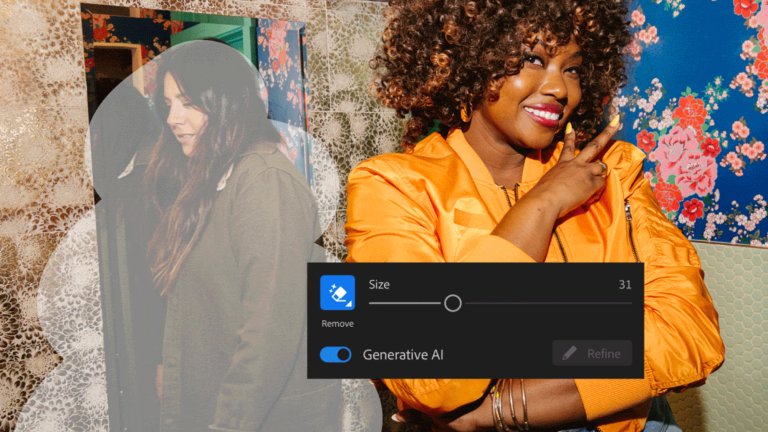
It's getting easier and easier to fix your photos in a couple of clicks.

Spotting JADES-GS-z-14-10, which dates to 300 million years after the Big Bang, breaks telescope’s own record.

Our Roman Empire is antibiotic resistance.