Read the latest articles from Popular Science (Page 20)

CT scan displaying German sword blade with engraved name on it
Science

Renaissance sword reveals a hidden engraving

CT scans peel back the layers of a 16th century German degen.

Artist's recreation of ‘Epiatheracerium itjilik’ in its forested lake habitat, Devon Island, Early Miocene, 23 million years ago. The plants and animals shown, including a rodent, rabbit and the transitional seal ‘Puijila darwini,’ are all based on fossilized remains found at the site.
Wildlife

Rhinos once lived in Canada

A newly discovered species of Arctic rhino lived 23 million years ago.

Two close up shots of two tube-nosed bat species
Bats

Six new bat species discovered in the Philippines

The archipelago's total bat tally now stands at 85 different flying mammals.

The blue marked Queen of a Carniolan honey bee (Apis mellifera carnica) colony is searching for a place to insert an egg.
Bees

Queen bees are violently ousted if worker bees smell weakness

The hive rulers produce a pheromone that helps keep workers loyal. What happens when it's gone?

A colorful vintage poster illustration featuring a large Uncle Sam figure in a stars and stripes outfit, leaning down to adjust the hands of a massive clock with Roman numerals, which has a red center. Below him, a smaller man is running frantically with a small clock showing the time is one hour earlier. The text at the top reads "VICTORY! CONGRESS PASSES DAYLIGHT SAVING BILL." The style is reminiscent of early 20th-century American political or war-time posters.
Science

The U.S. tried permanent daylight saving time—and hated it

In 1974, America set its clocks forward for good in the name of energy savings.

Scan of hieroglyphs on Mayan Foundation Rock
Archaeology

Mystery Mayan ruler was no king

Ix Ch’ak Ch’een was one of at least four women who oversaw the city of Cobá.

a dolphin blowing bubbles under water
Ocean

Dolphins may be getting an Alzheimer’s-like disease due to this neurotoxin

The neurotoxins, found in algal blooms, primarily affect the body's nervous system.

Back angle of man scratching head and looking at rows of TVs in electronics store
Engineering

Your eyes can only handle so much HDTV

More pixels doesn't always mean a better screen.

Awa Guajá couple, family of Takarentia, only contacted 5 days before this picture was taken, 1992.
Land

Half of all uncontacted Indigenous tribes may disappear by 2036

Survival International's new report illustrates the dangers they face—and their resilience.

a close up of leopard spots
Wildlife

Why do animals have spots and stripes?

Zebra’s stripes and leopard’s spots are perfectly imperfect.

A close-up profile portrait of a German Shepherd dog's head, set against a dark background. The dog has brown and black fur, with one ear prominently upright, and is looking upward with a brown eye. The lighting is dramatic, highlighting the texture of its fur and nose.
Dogs

Can dogs really smell fear? A vet weighs in.

Dogs' super-sensitive noses may have evolved to help them sense danger.

an iphone with visited place opened
Tech Hacks

Apple Maps in iOS 26 keeps track of your favorite places

Visited Places is one of the new features in the big iPhone software update for 2025.

An overhead, close-up photograph of a bountiful, dense display of various winter squash and pumpkins. The collection includes large gourds with deeply ridged and textured skin in a mix of orange, green, and yellow hues, interspersed with several small, bright yellow and orange decorative gourds.
Agriculture

Pumpkins’ journey from ancient food staple to spicy fall obsession spans thousands of years

From ancient South American gardens to pumpkin spice lattes.

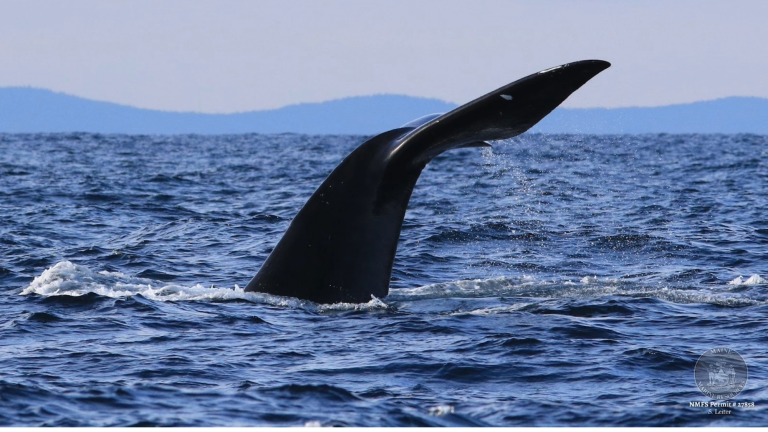
Northern right whale.Eubalaena glacialis.Courting group. Several males approach a female (on left). Bay of Fundy, New Brunswick, Canada
Whales

Endangered North Atlantic right whales are making a slow comeback 

Researchers are 'cautiously optimistic.'

The first six women in newly issued, incompletely adorned astronaut jumpsuits, 1978: (front, left to right) Sally Ride, Rhea Seddon; (rear) Kathy Sullivan, Shannon Lucid, Anna Fisher, Judy Resnik.
NASA

NASA’s trailblazing generation

NASA’s Class of 1978, ‘represent the most competent, talented, and experienced people available to us today.’

Woman sitting on back seat having headache
Tech Hacks

Why you get carsick—and how an iPhone feature might help

A hidden feature adds moving dots to the sides of your screen, helping you feel less disoriented.

The city tower of Amatrice, Italy, 16 February 2017, which was seriously damaged in several earthquakes since 24 August 2016. Photo: Lena Klimkeit/dpa | usage worldwide (Photo by Lena Klimkeit/picture alliance via Getty Images)
Environment

AI is changing our understanding of earthquakes

Machine learning is expanding scientists’ catalogs of quakes and refining maps of underground faults. It also promises to improve quake forecasts.

rocks in sand
Archaeology

Archaeologists discover massive ancient Egyptian fortress

Excavations also revealed a large bread oven and fossilized dough.

a big cat with flamingo in its mouth dead
Wildlife

13 riveting images from the 2025 Wildlife Photographer of the Year awards

From a hyena stalking an abandoned diamond mining town to a pile of seething rattlesnakes.

Close up of solar flare on sun
Sun

Scientists prepare for the next Carrington Event

‘Should such an event occur, there are no good solutions.’