How to get the retro WordArt back in Microsoft Word
Bring 1990s WordArt back from the dead with these tips.


Bring 1990s WordArt back from the dead with these tips.

Scientists are probing the head games that influence athletic performance, from coaching to coping with pressure.
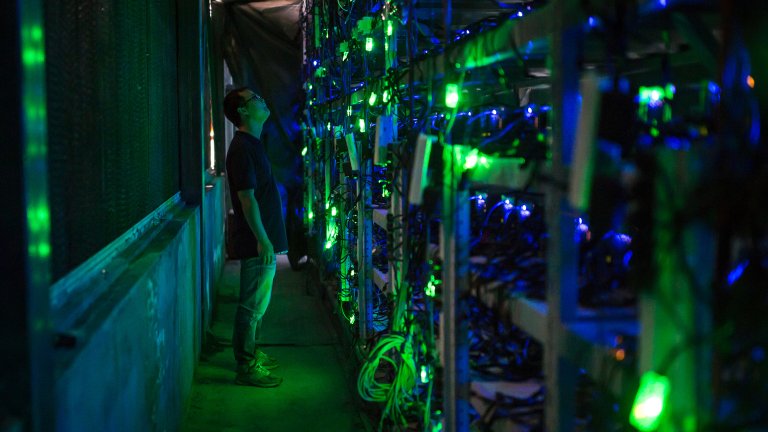
A new federal initiative will shed light on the opaque and rapidly growing cryptocurrency mining industry.
Pleurocystitids arrived in the oceans alongside jellyfish. Although long gone, they may help guide the future of 'paleobionics.'
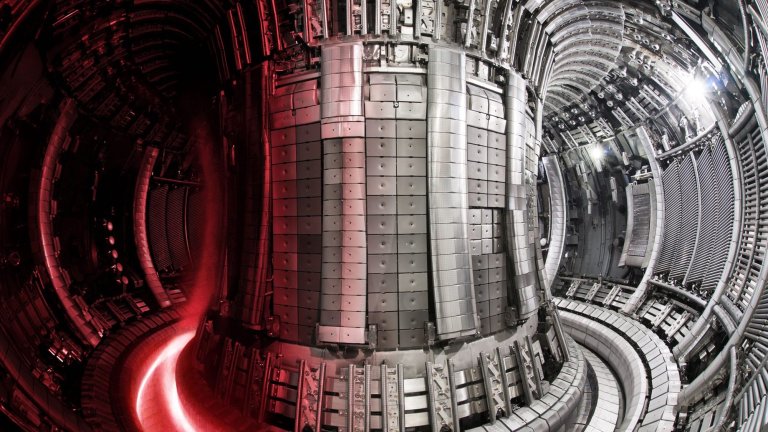
The Joint European Torus (JET) facility retired after four decades of service, but not without achieving one final milestone.

One species with ‘needle-like fangs’ once stalked a shallow sea that covered the southern US.

'Covid has pushed us back in whatever progress we were making in addressing the needs of our rapidly aging society. It has further stigmatized aging.'

The Vesuvius Challenge winners were able to digitally reconstruct a philosopher's rant previously lost to volcanic damage.

425 clusters of newborn stars shine along cosmic tails that could hold clues to the universe's past.

Doctors and researchers share tips for skipping the snooze button and feeling refreshed.

Thanks to a 1991 telecom law, scammers could face over $25,000 in fines per call.

These electric bike kits will supercharge your regular ride.

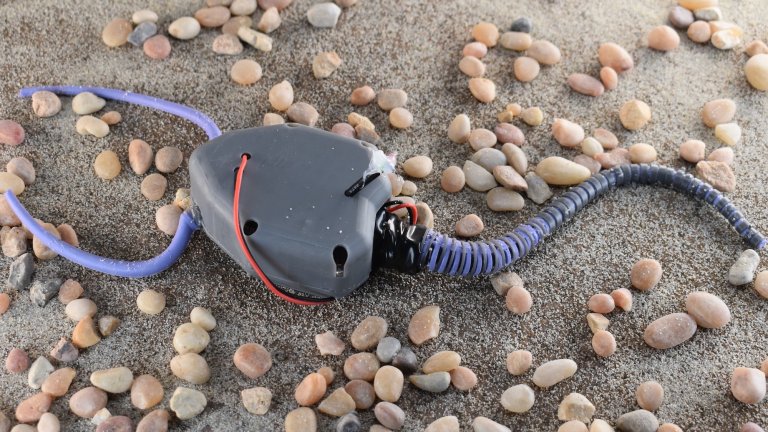
The robot's quadruped locomotion helps it look for hazards in cramped and cluttered experiment spaces inaccessible to other robots.

Byproducts of car exhaust disrupt pollination by degrading the floral scents that insects use to track down their favorite plants, according to new research.

Blueberries appear blue without a blue pigment. Here's how.
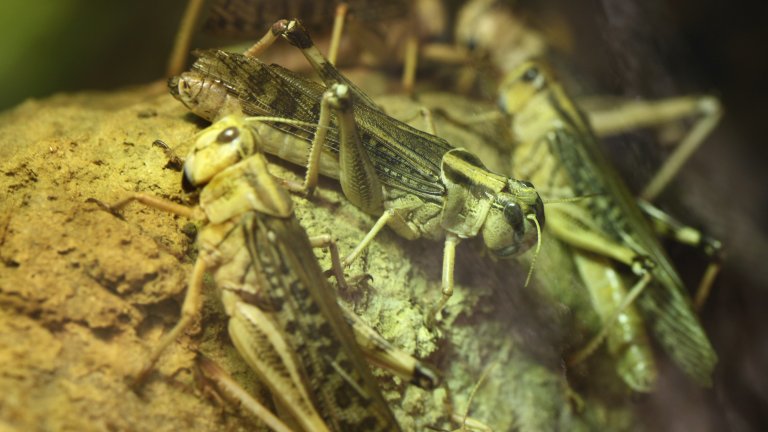
Researchers think that injecting nanoparticles into the bugs’ brains will harness their strong olfactory senses.
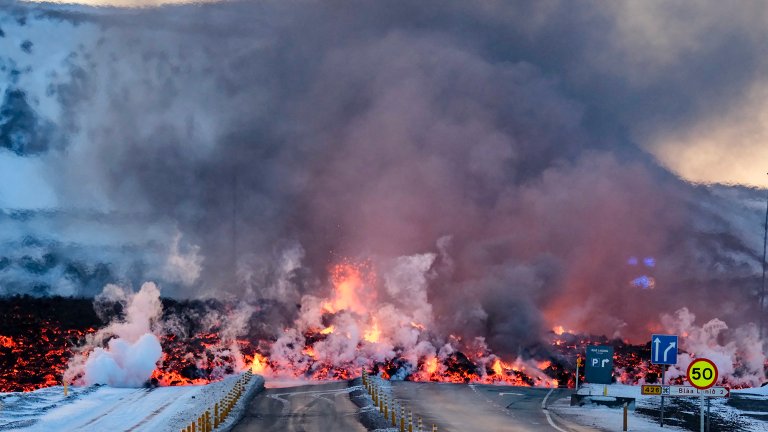
The Blue Lagoon spa was evacuated, as lava crossed the main exit road from the popular tourist attraction.

These speakers are about delivering the proof in the policy of truth.
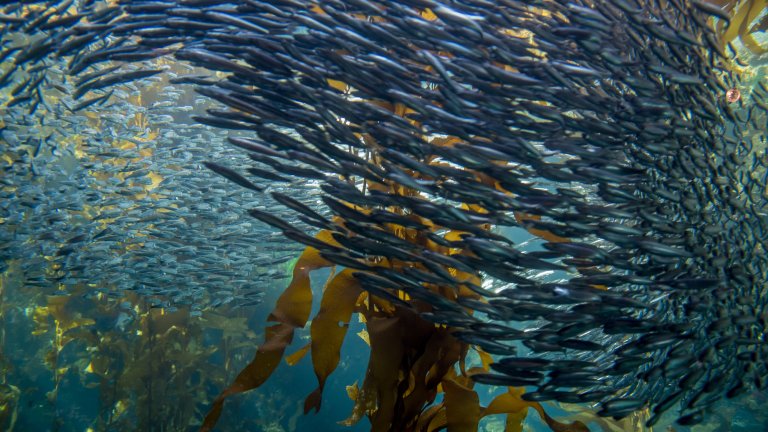
It’s not the size of the fish that counts, it’s the motion of the ocean.
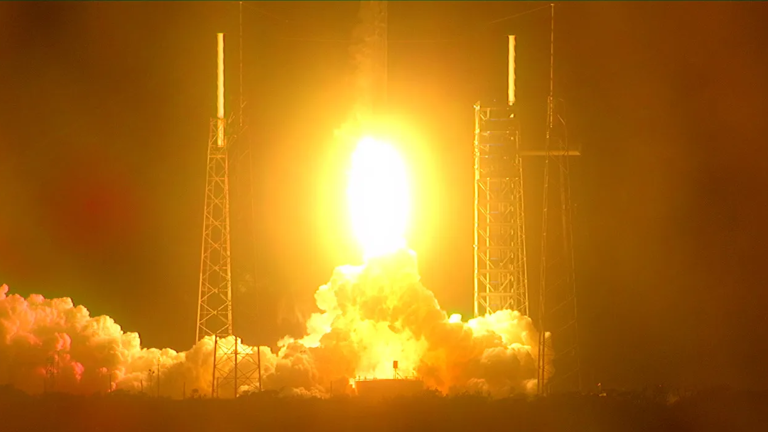
The spacecraft will monitor the oceans and atmosphere of a warming planet in new ways.