‘A needle in a haystack:’ How AI is helping uncover abandoned oil wells
The model was trained on about one hundred maps, and was used to sort through topographical maps spanning 45 years.

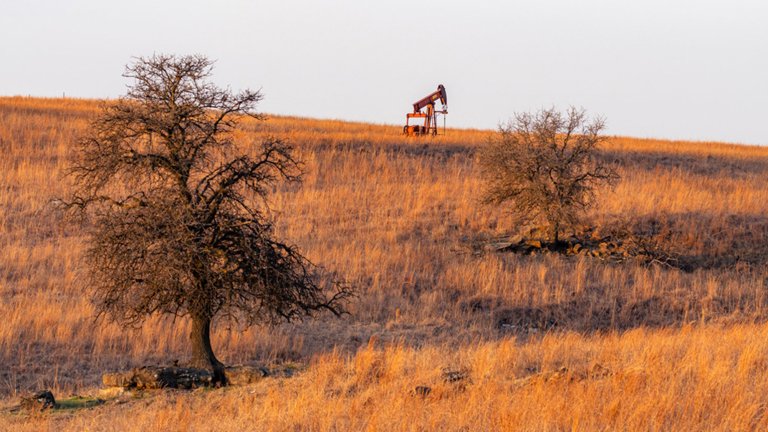
The model was trained on about one hundred maps, and was used to sort through topographical maps spanning 45 years.
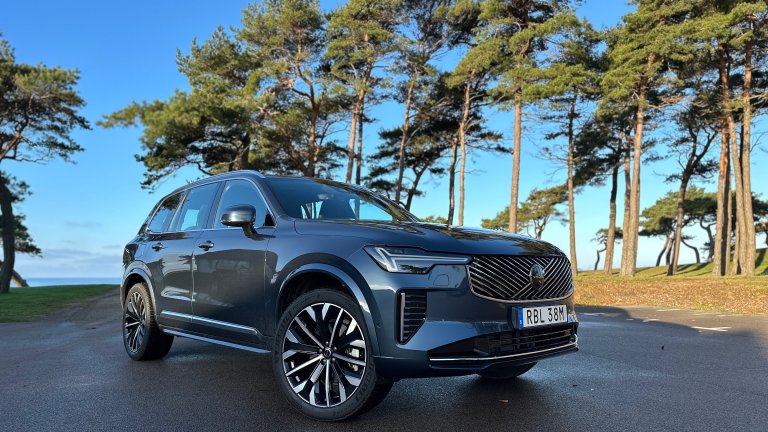
The new SUV harnesses the Miller Cycle and Frequency Selective Damping technology.
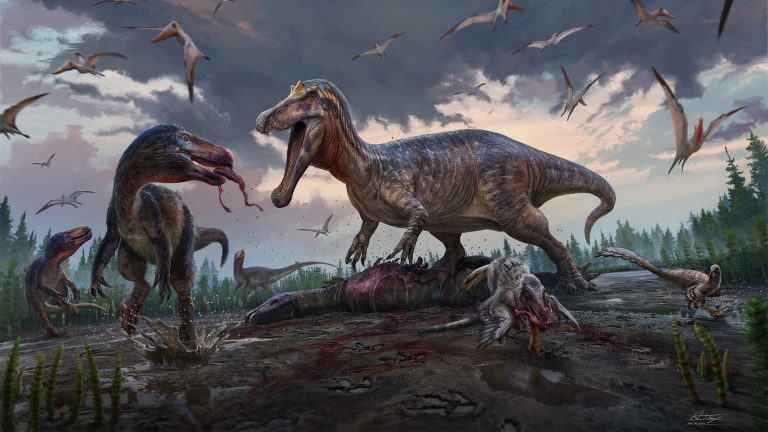
The carnivores stalked their prey in southern England 135 million years ago.
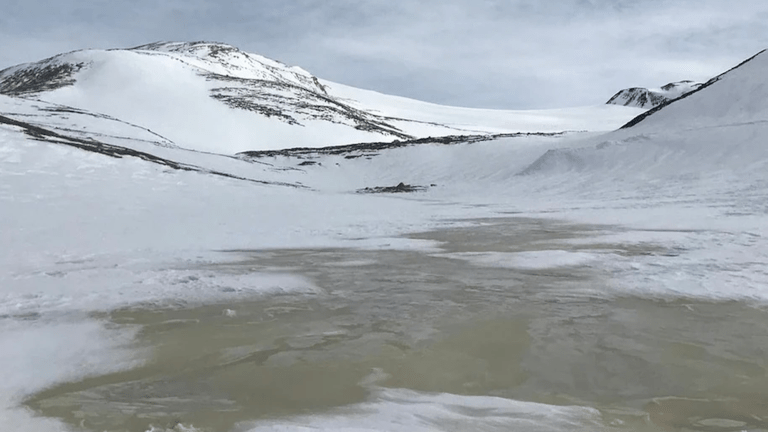
Once thought to be empty, the water hosts a unique, tiny ecosystem.
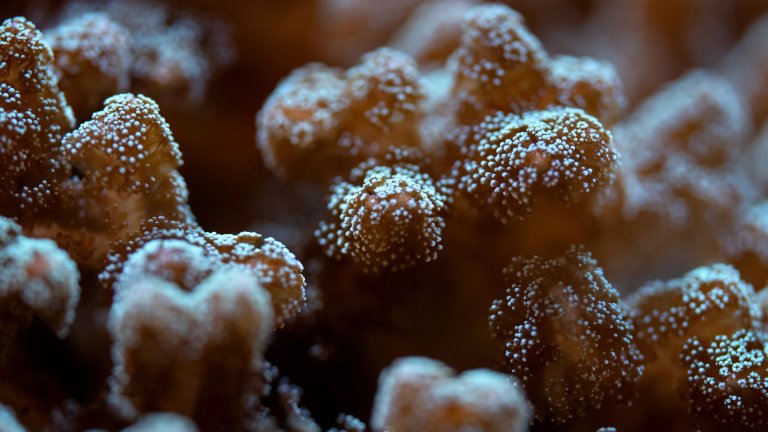
The implanted grafting material helped new bones grow in four weeks and dissolved between 6-12 months.

'It’s hard to be by myself so much of the time.'
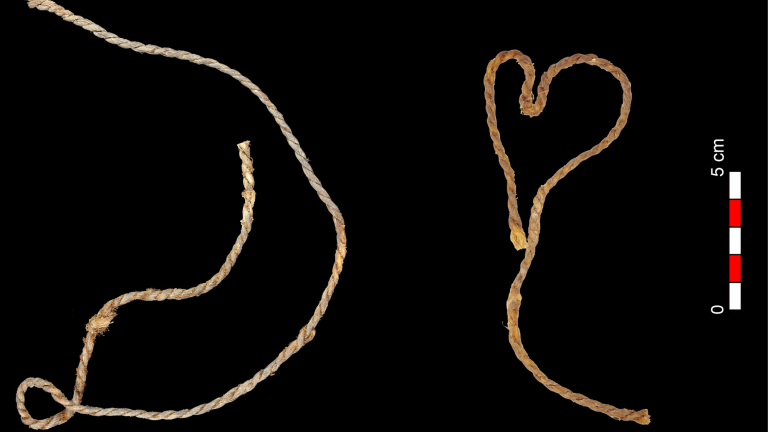
Prehistoric humans appear to have created archery tools with a high degree of expertise.
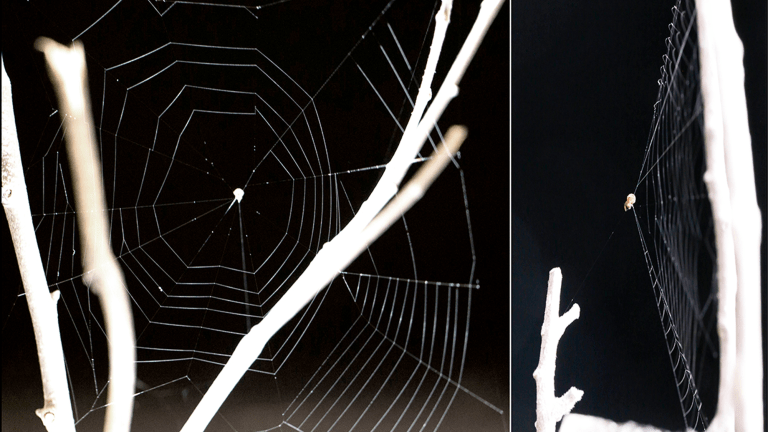
To prepare for action, this arachnid pays close attention to the sound of its prey.
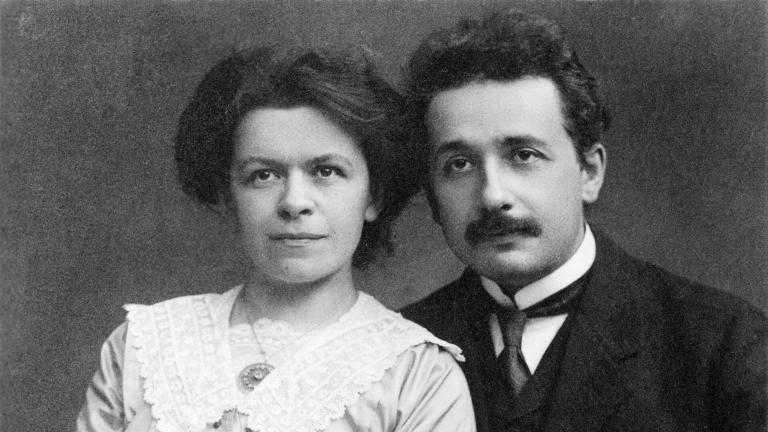
Einstein sent the 43 letters to his first wife and 'collaborator,' Mileva Marić.

According to canine remains in Alaska, the human-dog bond is older than scientists thought.

Researchers were inspired by the ray’s energy-efficient flappy fins.

HITS-Bio is the first tool to bioprint directly on a wound.

A new study links 151 million instances of psychiatric illness to leaded gasoline.
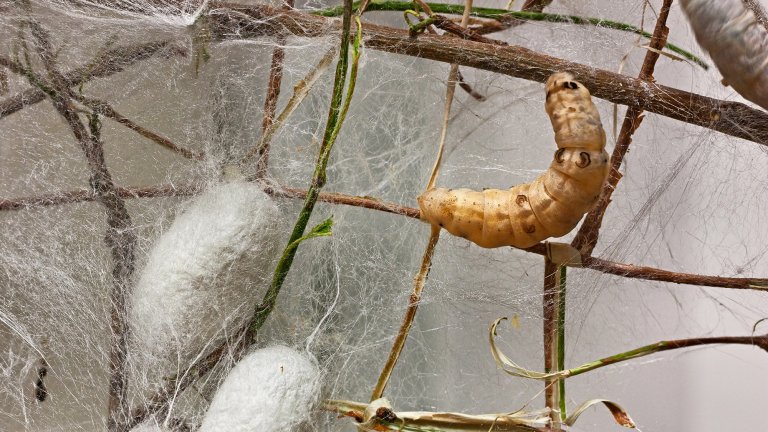
Plus other weird things we learned this week.

In the future, humans may not be the only arbiters of who lives and dies in war, as weapons gain decision-making power.
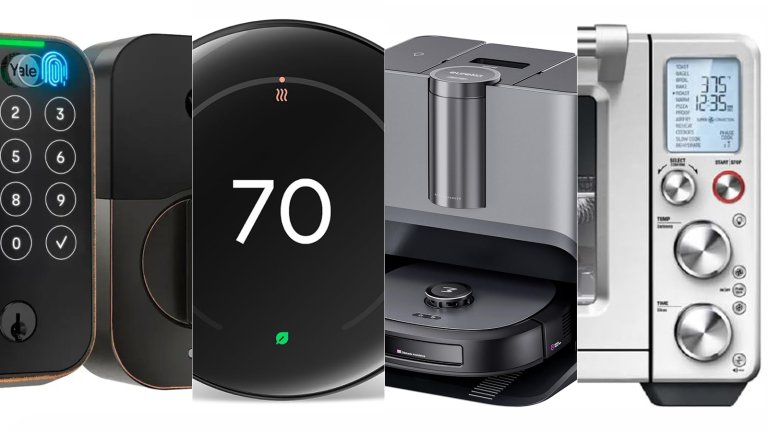
Make your family and friends' homes a little more functional and fun with connected devices that save them time and effort.

The naturally dissolving hydrogel may help preserve delicate ancient artifacts.
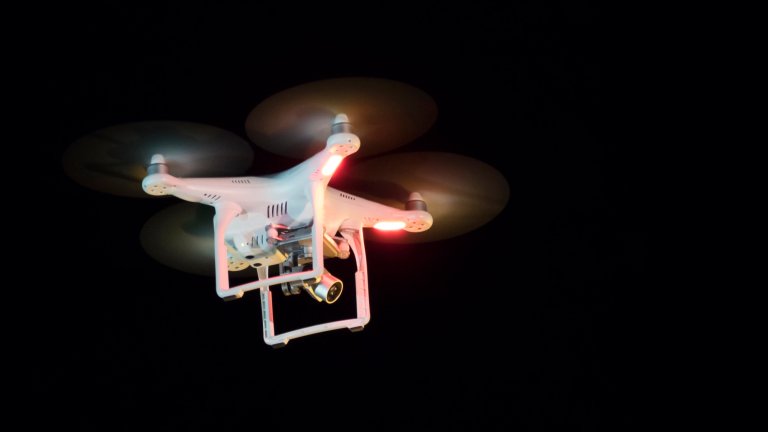
An ancient mapping technique may offer a reliable backup tool for UAVs.
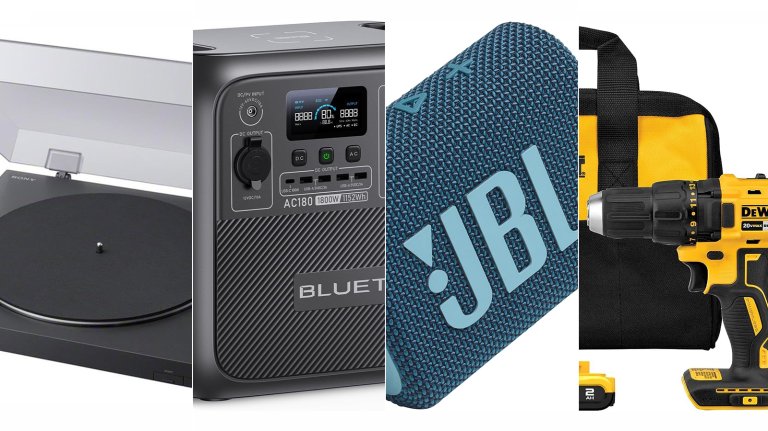
There are still plenty of bargains out there if you know where to look.
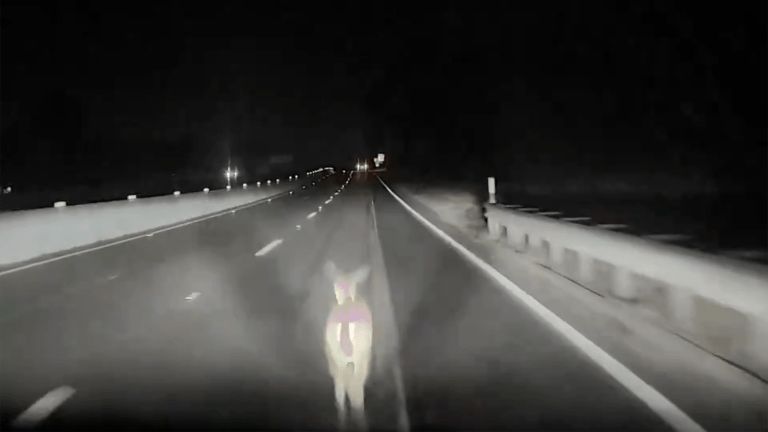
Real 'autonomous' vehicles rely on a diverse array of sensors capable of 'superhuman' object detection. It’s not perfect.