Can a projector really replace your TV?
Quality and affordability have improved on both sides.


Quality and affordability have improved on both sides.
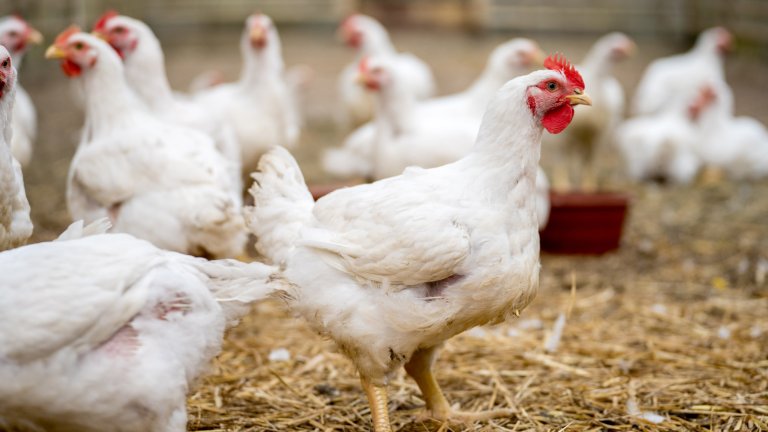
The person was exposed to sick birds through a backyard poultry flock.
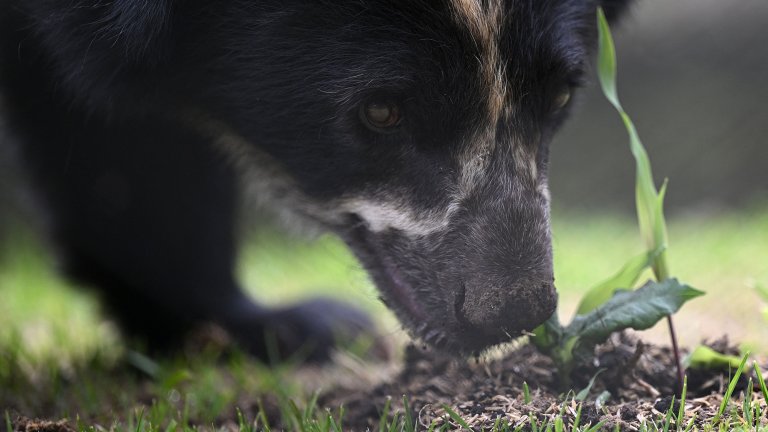
Andean bears will only eat livestock if they really have to.

The prototype is light, portable, and analyzes samples near-instantly.

Black holes like this one may gorge for about five to 10 million years–then go dormant for 100 million.


Plus other weird things we learned this week.

Advances in DNA technology and artificial intelligence may usher in a more Orwellian world. But do they work?

'We had never seen this behavior before.'

AstroCrete uses a protein found in plasma as a binder. No, really.

Absurd conspiracy theories like Project Blue Beam have reemerged.
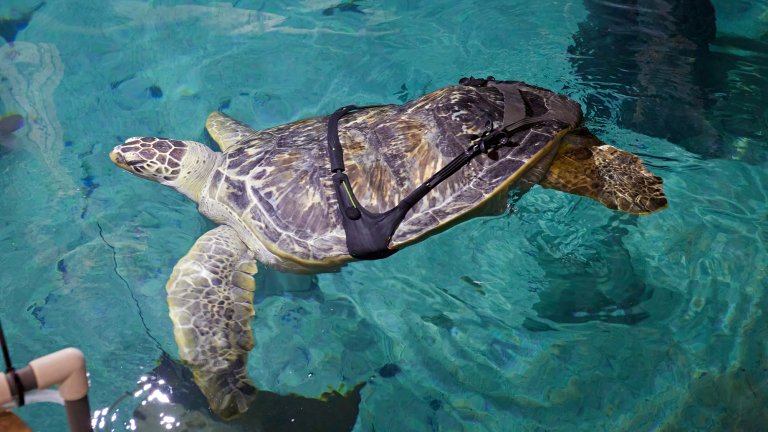
Charlotte, the 138-pound green sea turtle, was struck by a boat about 18 years ago.

The fight over 'First in Flight.'

A public health nurse explains the science behind the season.
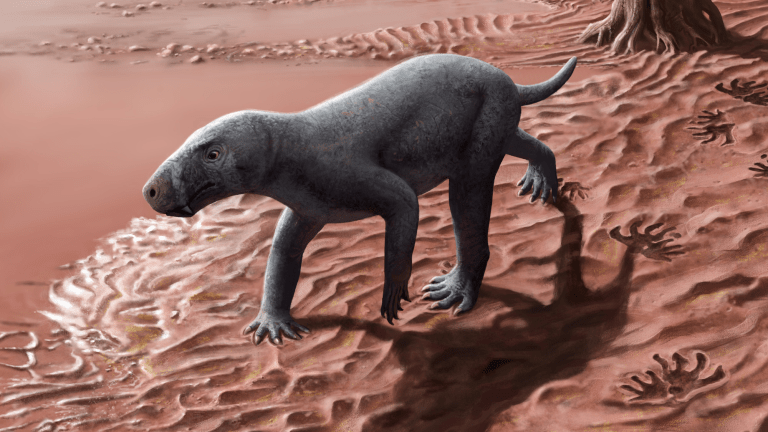
The 280-million-year-old bones of this saber-toothed predator were uncovered in Spain.

'The role of the fungal communities residing in the upper airways … is practically unknown.'
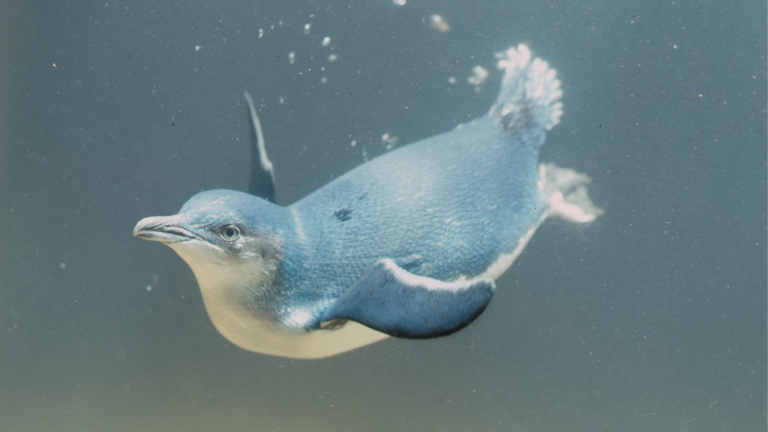
Traveling at the surface just comes with too much pressure
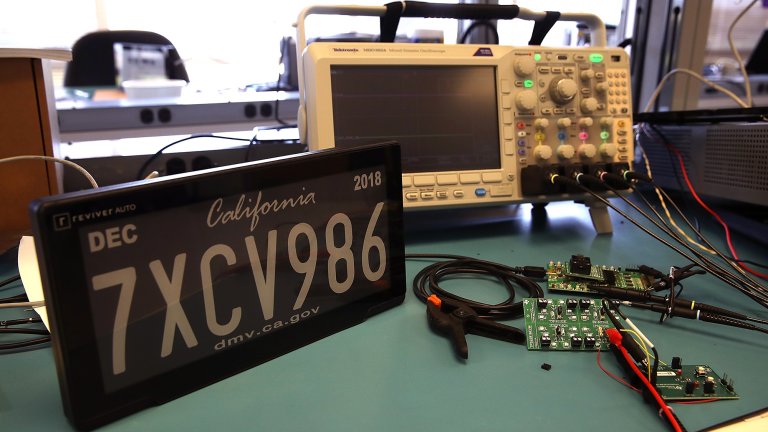
They claim a popular digital license plate can be jailbroken.

It took nearly eight years to get the polarizing Volkswagen's 2025 ID.BUZZ to the US market.
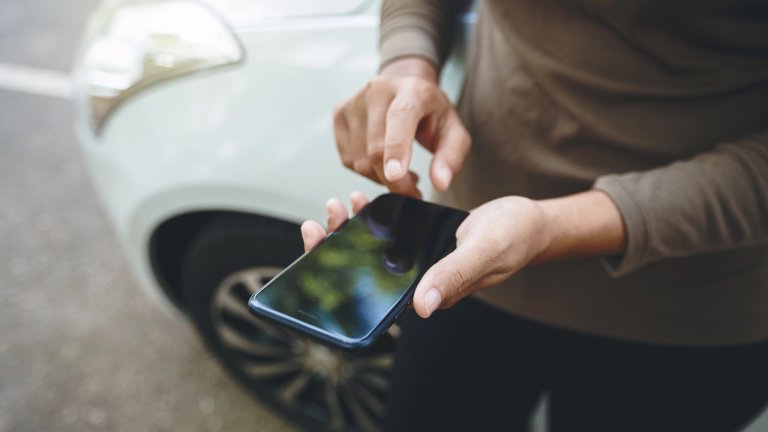
iOS 18 introduces Vehicle Motion Cues—here's how to use it.