Each time NASA gets a new budget from Congress, a recurring debate takes a spin through a media cycle or two. At its simplest this conflict of opinion is a split between people who think Americans give NASA too much money and those who think it’s not enough. There are the more nuanced arguments too, those that hinge on specific line items and whether or not a specific program or ambition is worth it (or not worth it). But all the noise can largely be distilled into a question that looms ever larger in the current age of austerity: is what we’re getting out of NASA worth what we’re putting in? Is space science a good investment?
When the most recent NASA budget was handed down in February, the media frothed even a bit more than usual. The budget had been cut pretty modestly given the current political climate, but the cut more or less targeted a specific division of NASA: planetary sciences, the division that puts rovers on Mars, orbiters around objects like Saturn and the moon, and visits other bodies around our solar system like the asteroid Vesta and Kuiper Belt objects.
Click to launch the photo gallery
The budget slashing had an immediately tangible impact, as NASA pulled out of two planned Mars missions (leaving the European Space Agency holding the bag). And the debate, of course, was on. Figures like Neil deGrasse Tyson–arguably the most visible and coherent defender of NASA and space science–was quoted widely espousing the view that NASA is persistently underfunded and that a NASA with means and a mission will not only inspire a generation to pursue big things, but will spawn whole new economies and technologies, creating jobs and prosperity along the way.
Then there’s the other side. The Atlantic’s Megan McArdle put it succinctly in a story titled “Neil deGrasse Tyson is wrong about NASA.” NASA “has been a laughable mess for years now,” she wrote. If it’s economic benefits we’re after, the growing commercial space sector is where we should look for growth, not to a government agency that lacks a clear path forward (NASA lovers, don’t get riled toward The Atlantic; it gave Tyson a forum as well).
Both sides of the argument have their merits, and the point of this piece is not to declare one side of the argument more valid than the other. But it’s worth noting that Tyson, if he is wrong, isn’t completely wrong. The policy experts can argue budgets and administration and the politics of NASA. We’re simply arguing that Tyson is correct when he says investments in space science pay dividends here on Earth. They have done so famously in the past, and they continue to do so as you read this sentence.
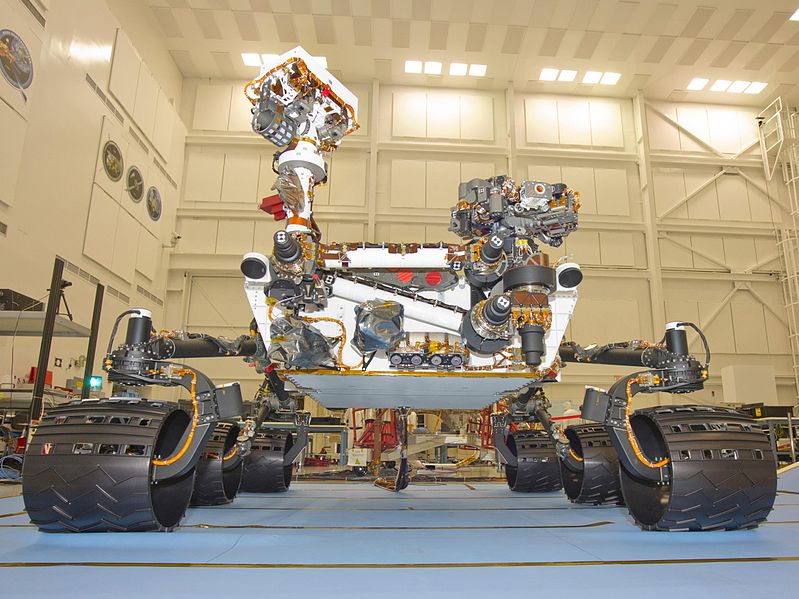
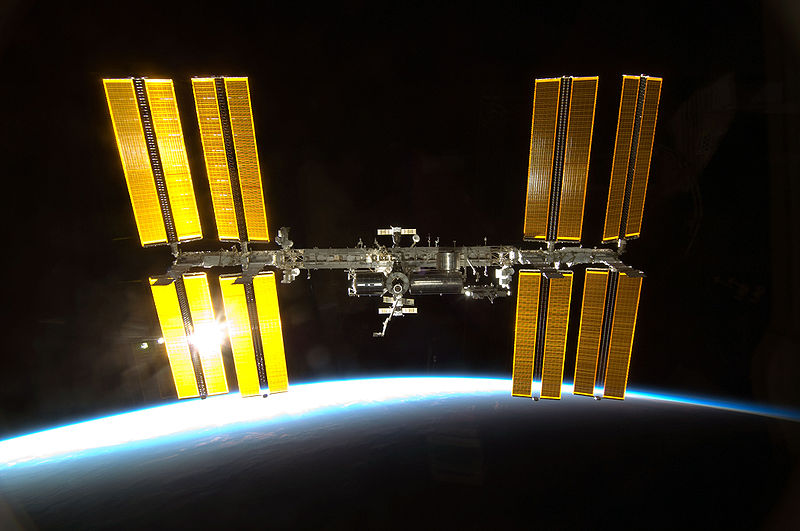
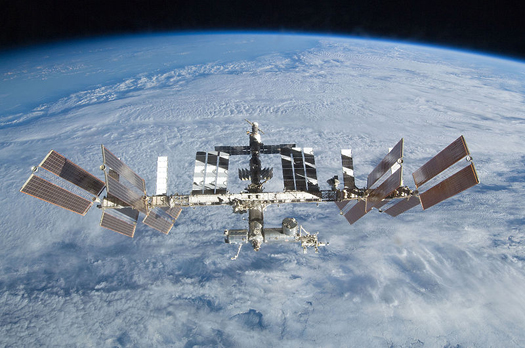
When we pay (and sometimes we pay handsomely) for things like the James Webb Space Telescope, for a new Mars rover, or to extend the life of the ISS, we are paying for the capabilities that those specific pieces of technology provide–we’re paying for the object itself. But the technologies and know-how that fall out of those things–better optometry tools borne from the world’s most sophisticated space telescope or a Salmonella vaccine enabled by microgravity research on the ISS, for instance–create benefits that we never would have otherwise experienced.
Times are lean, and we still have to pick and choose what space ambitions are worthwhile to pursue. But it is narrow-minded to think that our space science dollars are simply being spewed out into the vast blackness beyond the sky. Many of those dollars come right back down to Earth in the form of new knowledge and technologies that enrich life right here on the surface. Click through to the gallery above for a rundown of a few of our favorite ongoing space investments that are paying technological dividends on Earth at this very moment.
_Note: The Atlantic article cited above displays two different bylines on The Atlantic’s site: Megan McArdle and Katherine Mangu-Ward. We’re not sure why. The point is, one of them wrote the piece.