What do we know about dinosaur eggs?

These fossils can reveal a lot about how dinosaurs lived

Some dinosaur eggs took a surprisingly long time to hatch, according to a study published Monday in the journal Proceedings of the National Academy of Sciences. By examining the teeth of unhatched dinosaur embryos, paleontologists determined that one species spent about three months incubating, while another spent six.

Fossils of dinosaur eggs might be common, but embryos are very rare. “Virtually nothing is known about their embryology,” coauthor Gregory M. Erickson of Florida State University, told the New York Times.

But dinosaur eggs can shed light on the creatures’ evolution, behavior, and how they went extinct. Here are six things we have learned from dinosaur eggs—and from the occasional lucky embryo.

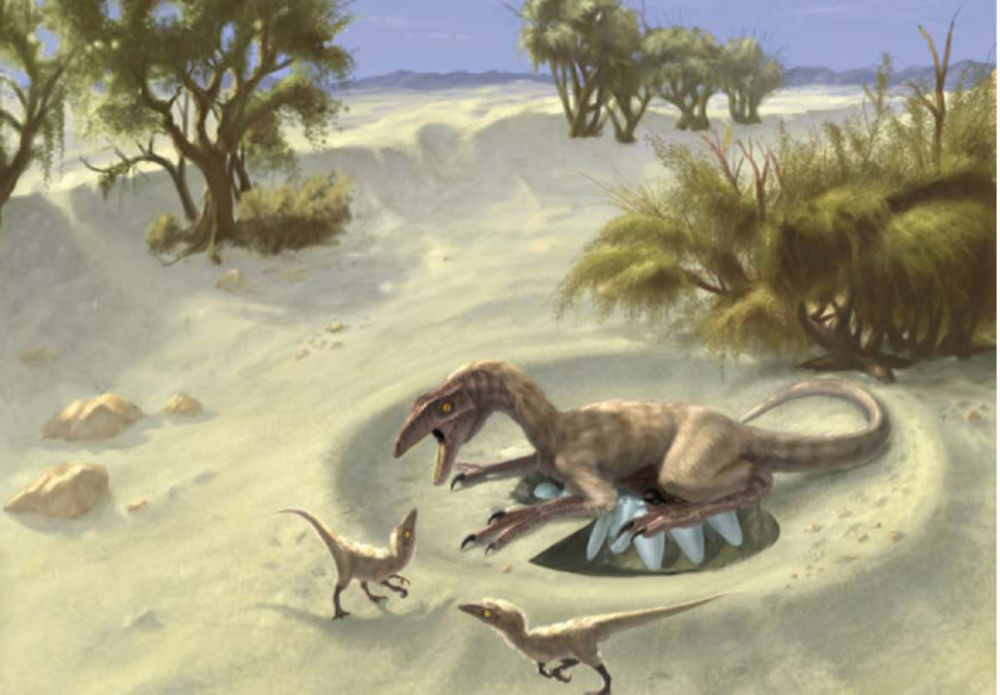
dino egg
Credit: © G.M. Erickson
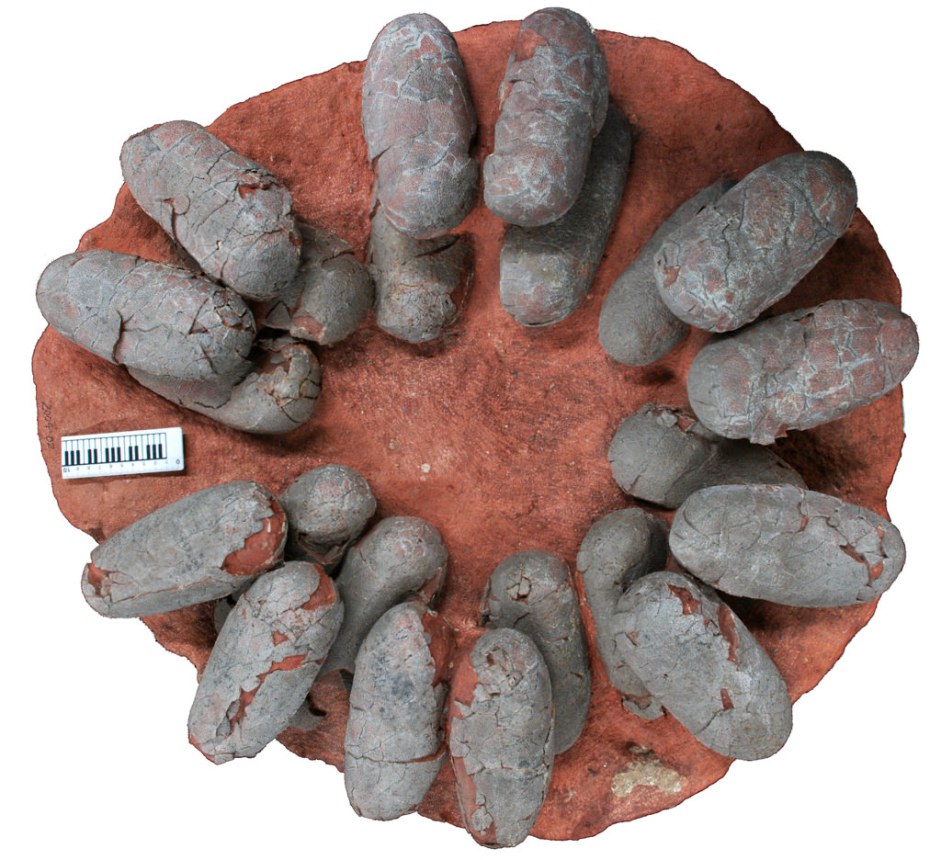
dinosaur nest
Doyle Trankina and Gerald Grellet-Tinner
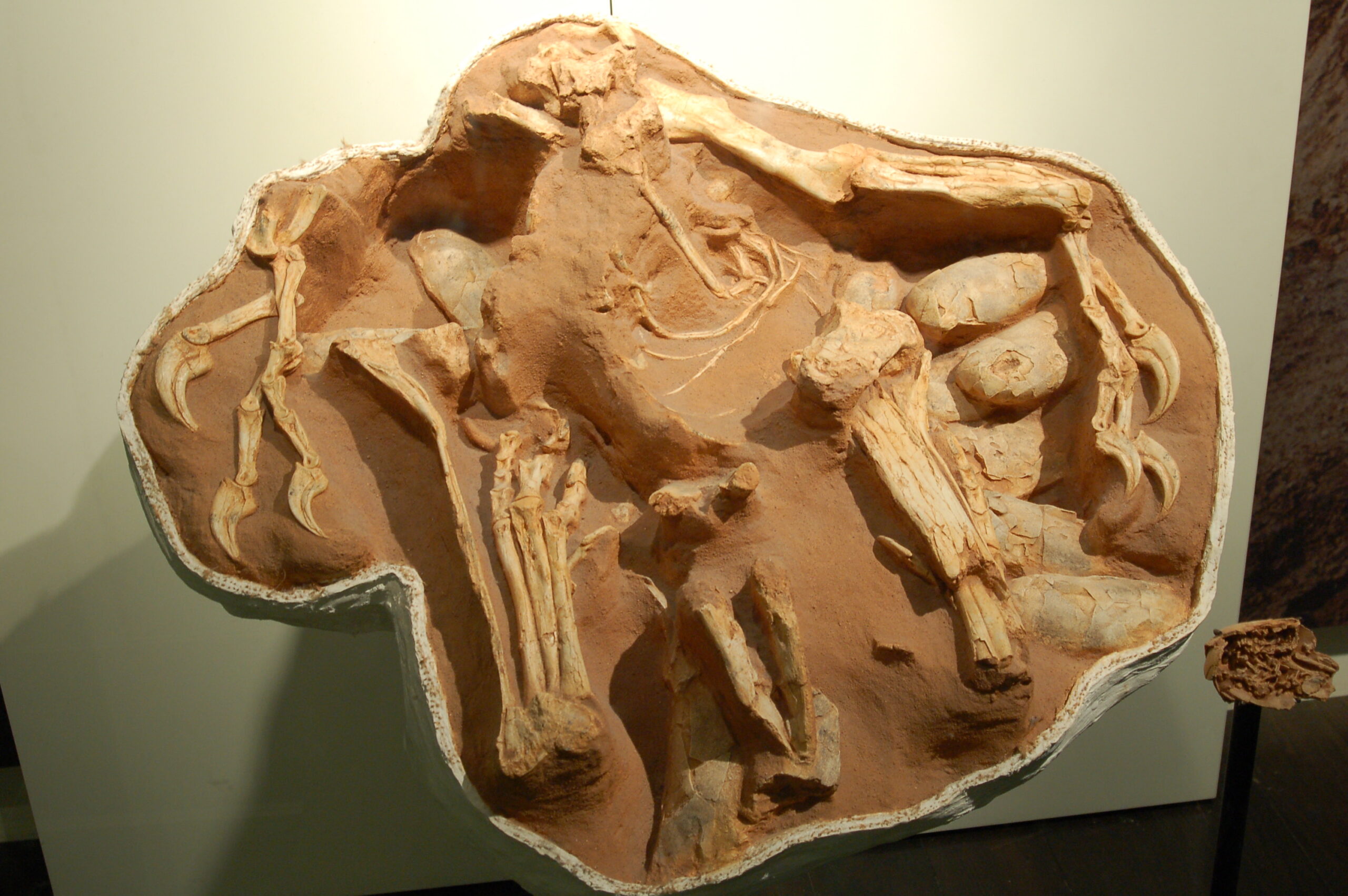
oviraptor egg
Dinoguy2 via Wikimedia Commons
Blue dino eggs
Yang/University of Bonn
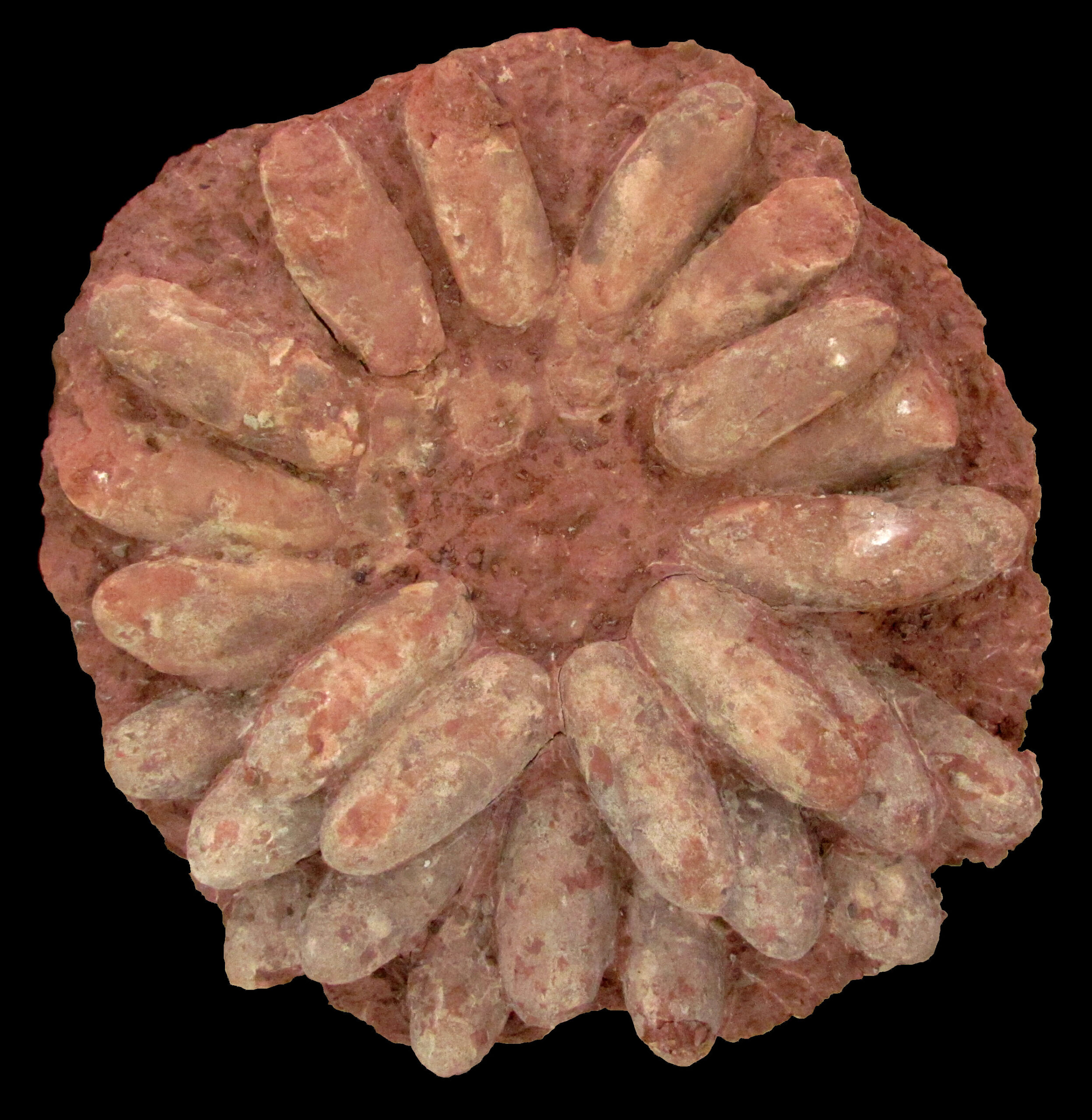
cluster of dinosaur eggs
Kohei Tanaka
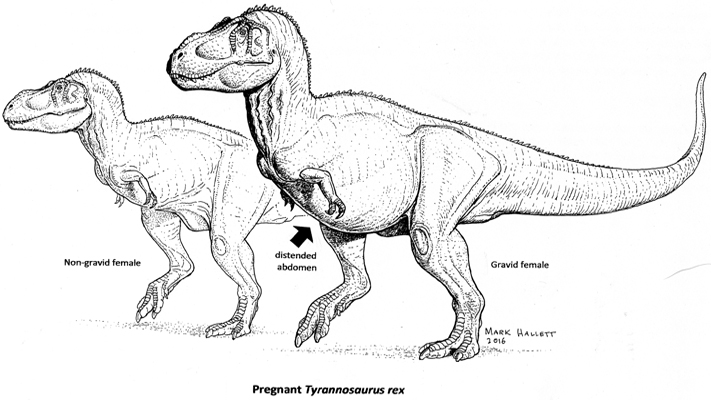
pregnant dino
Mark Hallett
 
Outdoor gift guide content widget

2025 PopSci Outdoor Gift Guide

 
Kate Baggaley Avatar

Kate Baggaley

Contributor, Science

Kate Baggaley has been contributing regularly to Popular Science since 2017. She frequently covers nature, climate, and the COVID-19 pandemic, but has also reported on many other aspects of science, including space, paleontology, and health. She has a soft spot for birds, deep sea critters, and all kinds of gorgeous creepy crawlies.