These whales might follow their noses to their next snack in the surf
North Atlantic right whales seem to find food by sniffing for a chemical cue. Could scientists use this to save them?


North Atlantic right whales seem to find food by sniffing for a chemical cue. Could scientists use this to save them?

The tech will be put to a real world test next month.

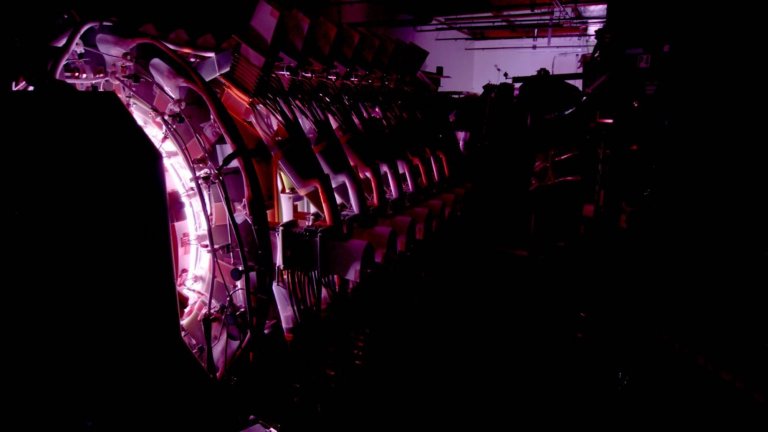
A startup called Helion thinks it can get a functioning nuclear fusion working within five years—a lofty goal, to say the least.

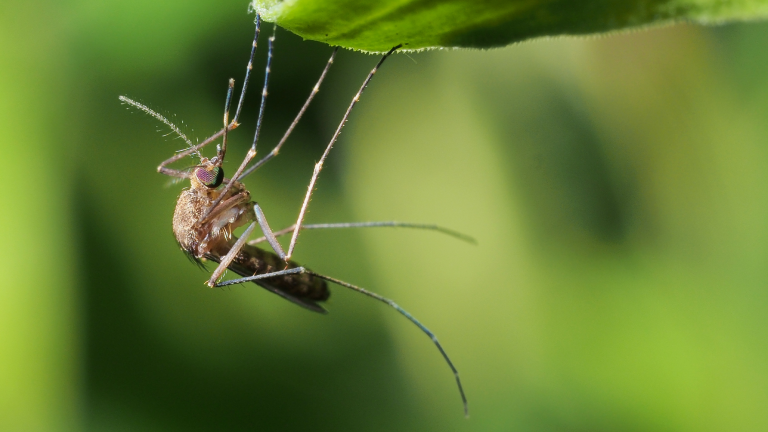
Certain chemicals have a small association with repelling and attracting the tiny blood suckers.

The American Psychological Association just released their first report on youth social media use.

We're 99.9 percent genetically identical to each other. But that other 0.1 percent turns out to be pretty important.
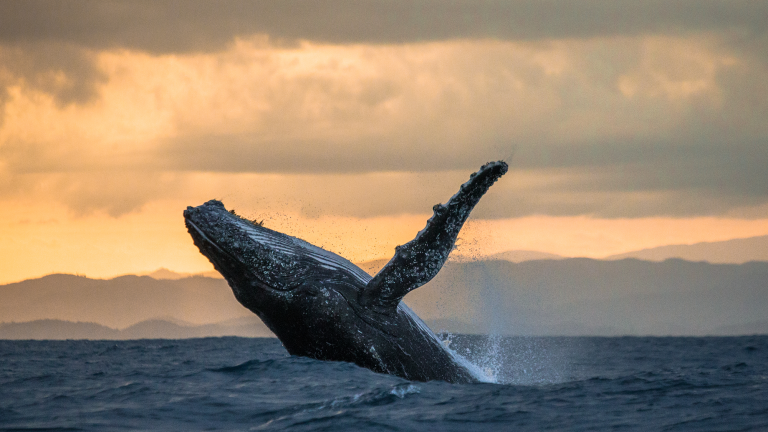
Plus other fun facts from The Weirdest Thing I Learned This Week.

Looking for a new light box for your home illustration studio? Be it for animation, diamond painting, tattooing, or pattern tracing on fabric, a light box is a brilliant addition to any studio.

The two fields emitted a total of 403 million tons of carbon dioxide equivalent in 2022.


The microscopic world of microbial communities can have an outsized impact, even on artisanal cheeses.

As the country looks to decarbonize, nuclear’s popularity continues to climb.

The MQ-9 Reaper boasts a wingspan of 66 feet and landed on Highway 287 on April 30. Here's why.
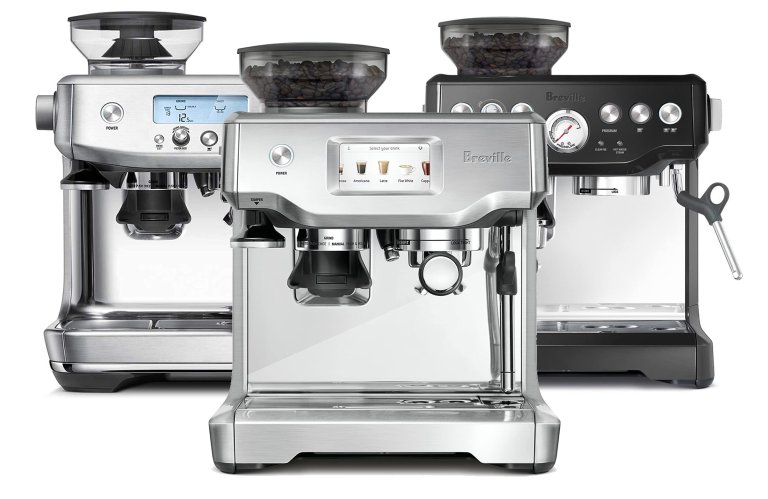
Catch this rare sale on Breville's high-end Barista-series espresso machines, discounted up to 20%.

Wanting an EV is one thing—buying one is another.

The 'one butterfly to rule them all' lives in the southwest Amazon boasting fiery orange wings with black spots.
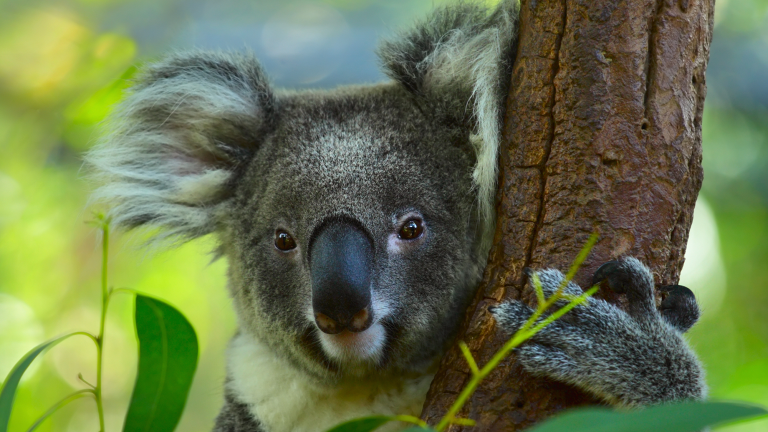
The first-of-its-kind trial in the iconic marsupial hopes to curb a 30-year-long epidemic.