
It’s been found in ancient human feces. The U.S. government stored 6.4 metric tons of it in mountains. And a big hunk of it played a major role in a presidential farewell party. We’re talking about cheese.
While too much of the popular dairy product can spell tummy troubles and high cholesterol for some, new research suggests that eating more high-fat cheese and cream could be linked to a lower risk of developing dementia. While the findings published today in Neurology®, the medical journal of the American Academy of Neurology, do not prove that it lowers the total risk of the disease, it shows an association.
The high-fat debate
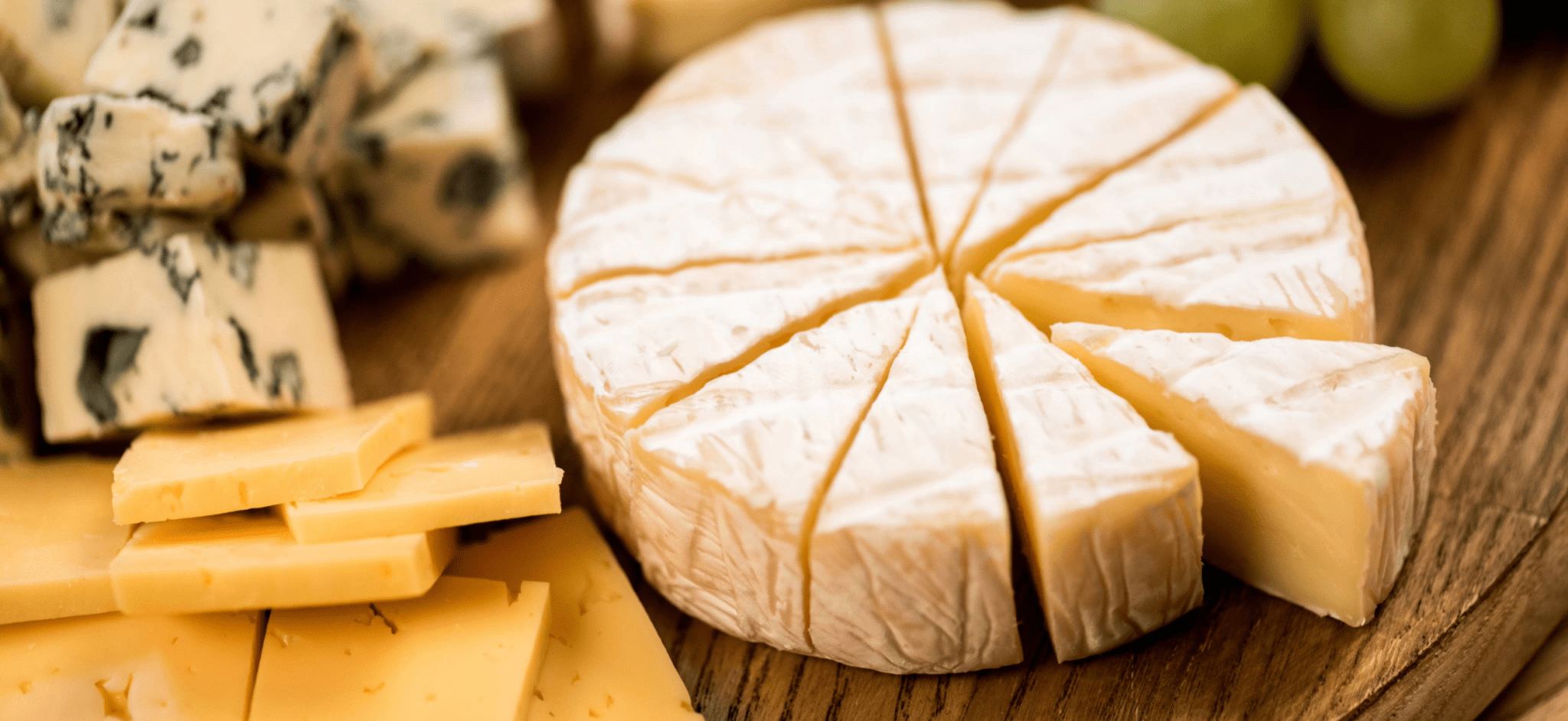
High-fat cheeses include cheddar, Brie, and Gouda, and contain more than 20 percent fat. High-fat creams such as whipping cream, double cream, and clotted cream typically contain 30 to 40 percent fat. These items are usually labeled as “full-fat” or “regular” versions in grocery stores.
“For decades, the debate over high-fat versus low-fat diets has shaped health advice, sometimes even categorizing cheese as an unhealthy food to limit,” said Emily Sonestedt, PhD, a study co-author and nutritional epidemiologist at Lund University in Sweden, said in a statement. “Our study found that some high-fat dairy products may actually lower the risk of dementia, challenging some long-held assumptions about fat and brain health.”
In this new study, the team analyzed data from 27,670 people in Sweden with an average age of 58 at the beginning of the study. The participants were followed for an average of 25 years. Over the course of the study, 3,208 people developed dementia.
For one week, the participants kept track of what they ate and answered questions about how often they ate certain foods. They also spoke with the researchers about how they prepared their food.
The researchers then compared people who ate 50 grams (about 1.7 ounces) or more of high-fat cheese every day with people who ate less than 15 grams (about half an ounce) daily. Fifty grams of cheese is about two slices of cheddar and a half a cup of shredded cheese and is roughly 15 grams. A serving of cheese is typically one ounce or 28 grams..
Of those who ate more high-fat cheese, 10 percent developed dementia by the end of the study. Of those who ate less, 13 percent developed dementia.
Risk factors
After adjusting for age, sex, education, and overall diet quality, the team found that people who ate more high-fat cheese had a 13 percent lower risk of developing dementia compared to those who ate less.
There are over 100 known forms of dementia, but the four main types are Alzheimer’s disease, vascular dementia, Lewy body dementia, and fronto-temporal dementia. When looking at specific types of dementia, the team found people who ate more high-fat cheese had a 29 percent lower risk of vascular dementia.
There was also a lower risk of Alzheimer’s disease among those who ate more high-fat cheese. However, that risk was only lower for those who do not have the APOE e4 gene variant—a genetic risk factor for Alzheimer’s disease.
Additionally, the team compared people who consumed 20 grams (roughly 0.7 ounces) or more of high-fat cream per day to people who consumed none. For example, 20 grams of high-fat cream is about 1.4 tablespoons of heavy whipping cream and a recommended serving is about 1 to 2 tablespoons. After similar adjustments, the researchers found that those who consumed high-fat cream daily had a 16 percent lower risk of dementia, compared to those who did not consume any.
They did not find any association between dementia risk and eating low-fat cheese, low-fat cream, high- or low-fat milk, butter, or fermented milk (yogurt, kefir, and buttermilk).
‘When it comes to brain health not all dairy is equal’
One important limitation of this study is that all of the participants were from Sweden, so results may not be the same for other populations. Sonestedt notes that in Sweden, cheese is often eaten uncooked, whereas in the United States it is often heated or eaten with meat. Sweden also has universal health coverage, which the U.S. lacks. Universal coverage typically leads to better health outcomes. Despite spending significantly more money than peer nations, Americans live shorter lives and face more barriers to basic care, so socioeconomics, pollution exposure, and other lifestyle factors can skew nutrition studies like this one.
“These findings suggest that when it comes to brain health not all dairy is equal,” said Sonestedt. “While eating more high-fat cheese and cream was linked to a reduced risk of dementia, other dairy products and low-fat alternatives did not show the same effect. More research is needed to confirm our study results and further explore whether consuming certain high-fat dairy truly offers some level of protection for the brain.”
