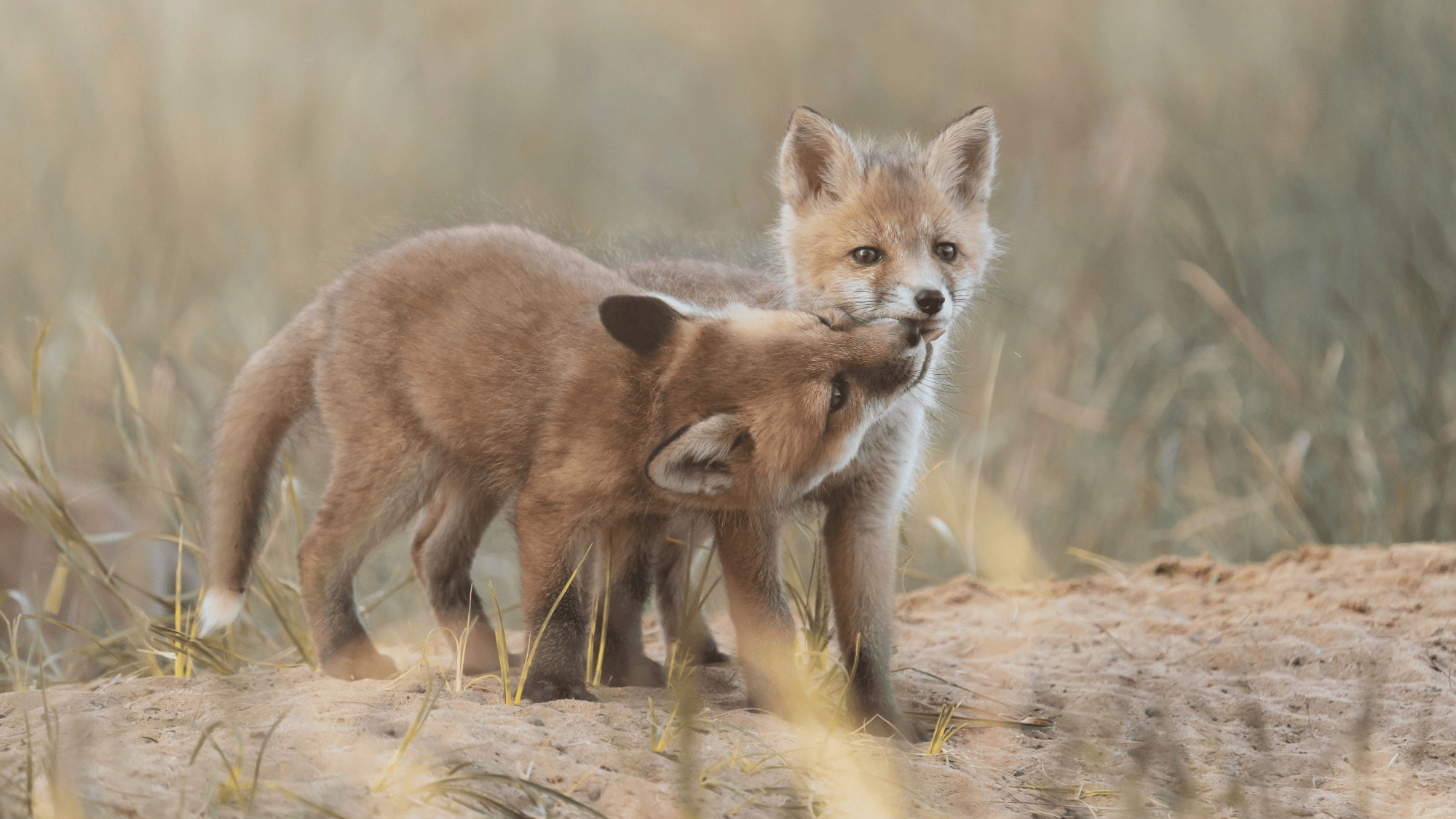
Two guard dogs could be protecting more than just the livestock grazing on the Rita Blanca National Grasslands in the Texas Panhandle. The working canines may be helping increase the odds of survival for the Lone Star State’s smallest fox.
The swift fox (Vulpes velox) is about the size of a house cat. While not federally listed as endangered, conservationists believe there are fewer than 250 left in Texas. They only occupy about 40 percent of their historic range, from Texas north to Alberta, Canada.
“The swift fox relies on the shortgrass prairie ecosystem once found across the Panhandle and into western Texas,” Haley Sloan, a doctoral student at Texas A&M, said in a profile. “Coyotes can take advantage of the cover provided by the taller vegetation that has grown into these areas, resulting in coyote predation being a leading cause of mortality in swift fox populations.”
Sloan is currently studying if livestock guardian dogs paired with a cattle herd can reduce swift fox mortality. The thought is that the dogs will act as a larger predator, and change the way the coyotes behave and use their habitat.
“The hope is that the dogs’ presence will deter coyotes, thereby reducing swift fox mortality and allowing the foxes to start using areas where the coyotes are being excluded,” Sloan said.
The dogs work in northwestern Texas’ Dallam County, the only known county in the state that still has a swift fox population. The swift fox’s small size and diet of insects, plants, and small rodents also means that they don’t pose any threats to cattle, sheep, and goats.
If incorporating these livestock guardian dogs with cattle herds alters the coyotes’ behavior, Sloan said that it offers two potential benefits. It could improve the chances of swift fox survival, while reducing the threat of livestock predation, especially during the vulnerable calving season.
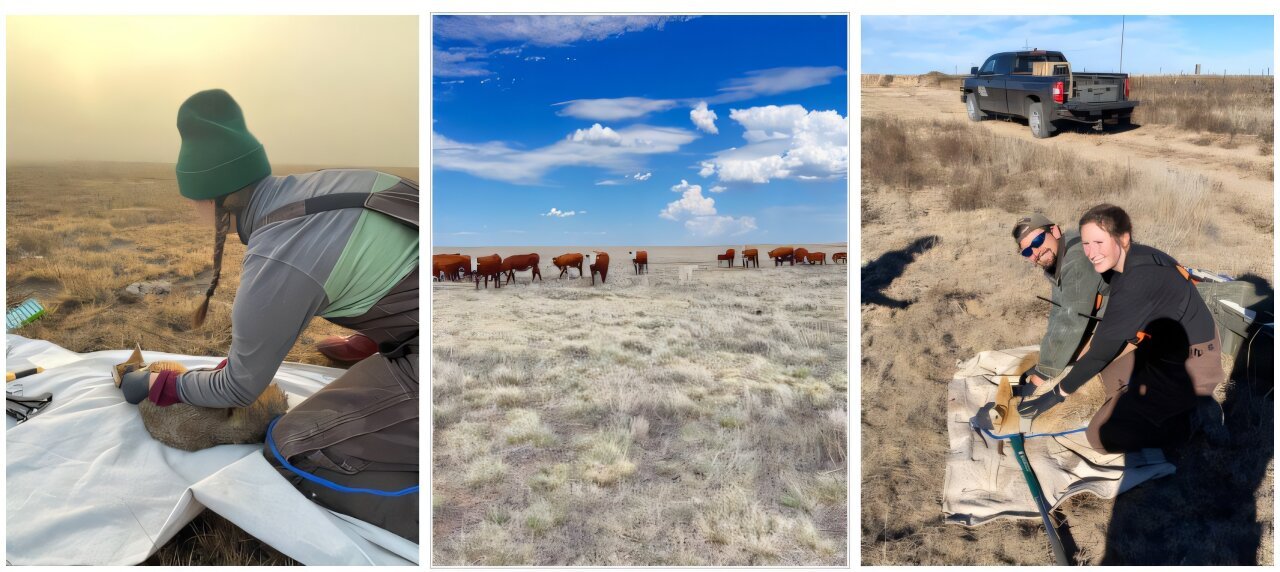
To monitor the animals’ behavior, Sloan and the other researchers put GPS collars on coyotes and swift foxes ahead of this three-year-long project. The livestock guardian dogs were introduced with the cattle herd this summer. While it is too early to report any initial findings, the team has high hopes.
“I’m happy to report right now the dogs are doing great,” Sloan said. “The producer involved in the project hasn’t lost any calves to predation, and I have hope we’ll have similar positive outcomes for swift foxes in the vicinity of the herd.”