
Scent marks the spot in the animal kingdom, allowing animals to understand their environment and gather data critical to their survival. While odor molecules will evaporate, degrade, and change after they are released, they can still convey reliable information to animals over space and time. But how?
In a study published today in the journal Current Biology, a team of researchers from Japan, Germany, and Spain describe a suite of chemicals that may help domestic cats keep the odor in their urine more stable over a longer period of time. They found 13 branched-chain fatty acids (BFAs) whose combinations and relative proportions varied among individual cats, but still remained stable within the same individual. The cats in their behavior experiments can likely tell who left which odors based on these branched-chain fatty acids compositions. According to the team, these BFAs may be behind a chemical “calling card” in cat urine.
The team first confirmed that cats can distinguish urine odors from different cats. When presented with the same urine multiple times, the cats spent less time sniffing it over time. The sniffing increased once urine from another cat was introduced. The team also observed fewer responses to urine odors the test cats had previously sniffed after a few months, suggesting that cats have a long-term memory for urine scents.
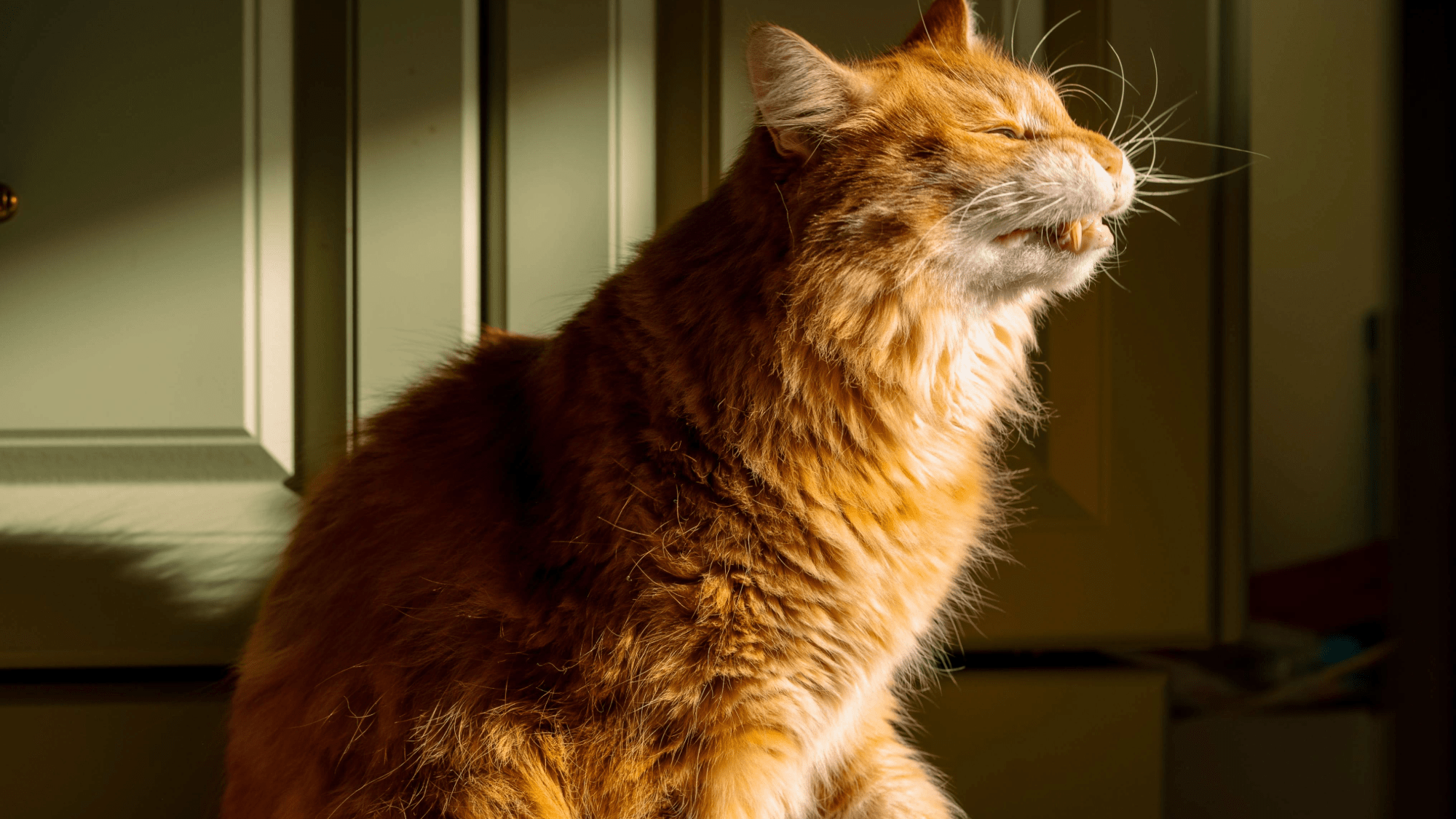
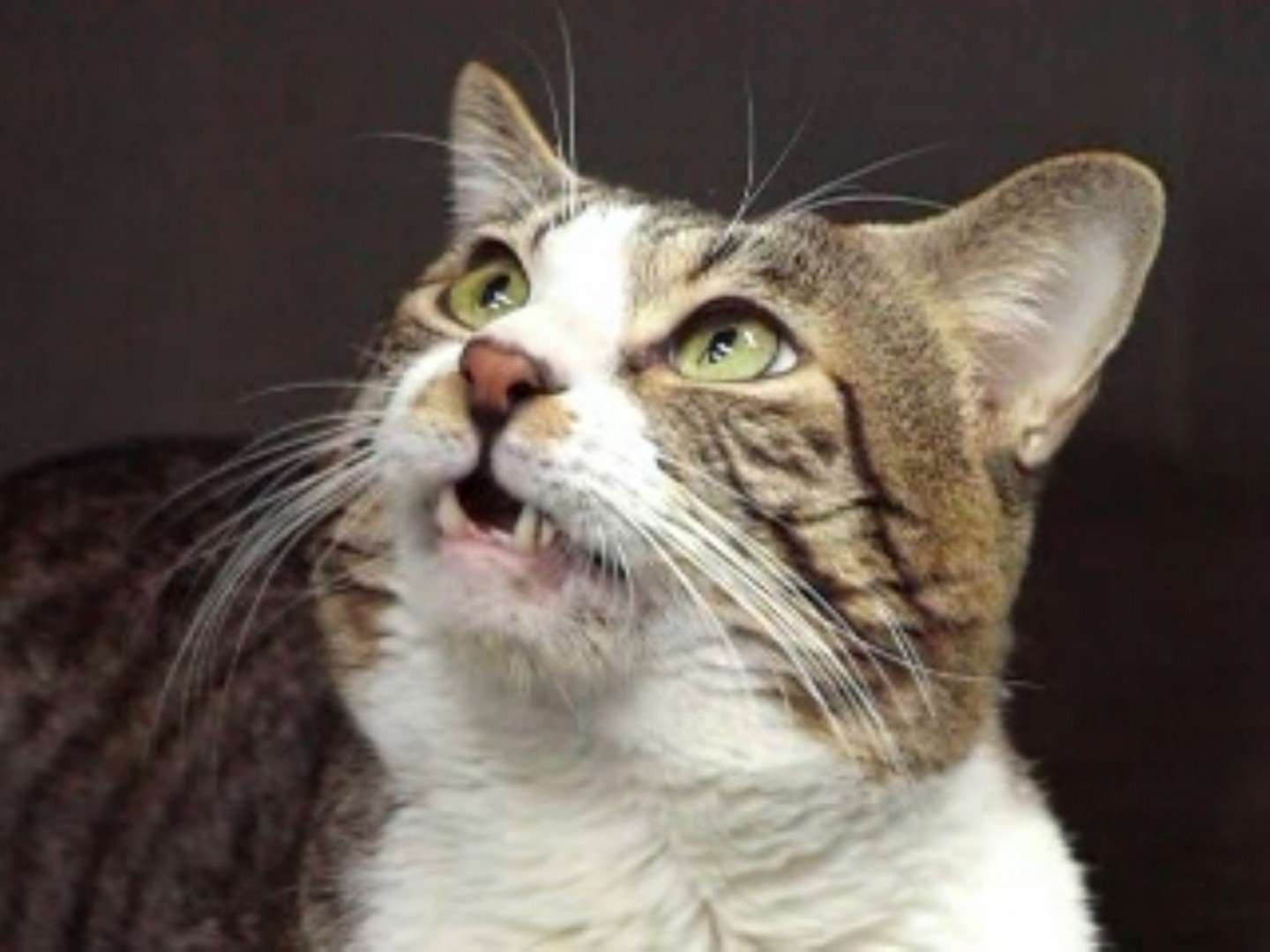
Next, they focused on the flehmen response. This open-mouthed expression is familiar to many cat owners when they pick up a certain smell. Cats showed flehmen more frequently when they encountered unfamiliar urine than toward their own urine. Flehmen also decreased when the cats were repeatedly exposed to the same urine, but then increased when urine from another cat was introduced.
“After confirming that cats can distinguish individual urine odors, we used the flehmen response as a clue to identify urinary molecules that may contribute to individual scent recognition,” Masao Miyazaki, a study co-author and biochemist at Japan’s Iwate University, said in a statement.
When they analyzed the urine’s chemical makeup, they identified 13 branched-chain fatty acids within the urine. The combination and abundance of the branched-chain fatty acids varied among individual cats, but remained comparatively stable within individuals over time. Cats who were related tended to have more similar profiles, but individual differences were maintained even within families.
These 13 branched-chain fatty acids were also really persistent. Unlike other volatile urinary odors that quickly change once they are deposited on an object, these evaporate more slowly. In urine-soaked samples kept at around 77 degrees Fahrenheit, an individual cat’s specific branched-chain fatty acid profiles remained present for at least 24 hours.
The cats themselves could also detect these differences in odor. The sniffing increased when a new urine was introduced, after the cats had gotten used to one sample. The branched-chain fatty acids were only detected in the cats’ kidneys, but not in the other tissues the team examined. Similar urinary compounds were also found in lions, leopards, tigers, lynxes, jaguars, and other feline species.
“Lipid droplets in the cat kidney have been known for more than a century, but why cats have so many of them has remained a mystery,” Miyazaki said. “Our findings suggest that one of their functions may be to support a stable chemical signature in urine. How BFAs [branched-chain fatty acids] stored in renal lipids are ultimately released into urine is an important question for future research.”
According to the team, understanding these urine compounds helps us understand more about how animals use chemicals to communicate. Understanding cat urine at a deeper chemical level could lead to better ways to control cat urine odor or treatments for cat kidney diseases. It could also be a non-invasive tool for monitoring rare big cats in the wild.
