
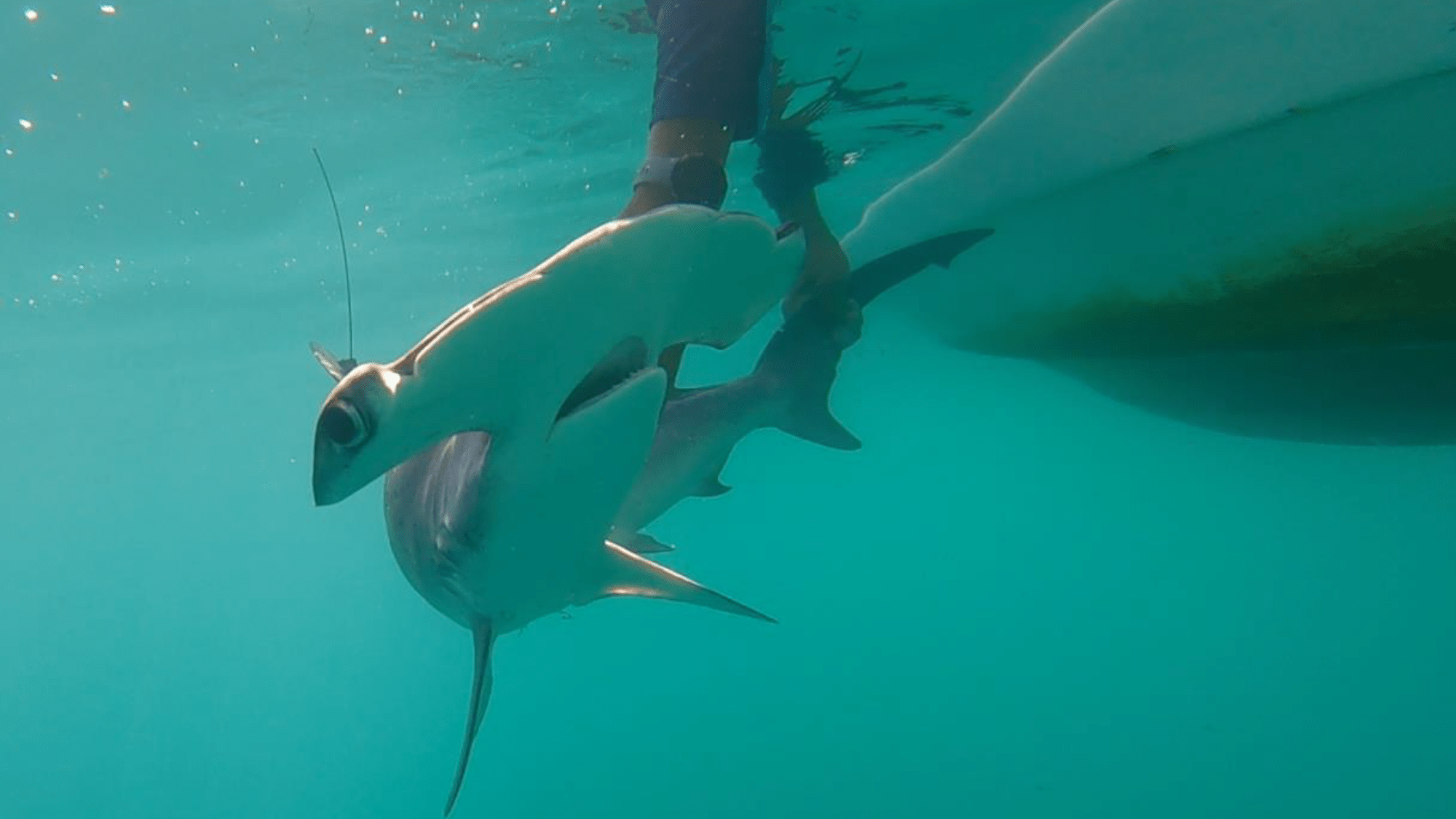
British naturalist Charles Darwin (and maybe even his mushroom-hunting daughter) almost certainly would be excited about yet another exciting discovery in his beloved Galápagos Islands. Scientists have spotted an elusive shark called the smooth hammerhead shark (Sphyrna zygaena) in the archipelago off the coast of Ecuador for the first time in decades.
“The Galápagos Islands are famous for their big schools of scalloped hammerhead sharks, but smooth hammerheads hadn’t been officially recorded in the archipelago for over 20 years,” María Antonia Izurieta Burbano De Lara, a marine biologist at Texas A&M University at Galveston, said in a statement. “We know very little about where they feed, where they go or how their populations are doing.”
Originally from Ecuador, María Antonia is currently working on a research project to protect these roughly 12-foot-long sharks. In 2024, she and her collaborators from Universidad San discovered what is believed to be the first documented group of juvenile smooth hammerhead sharks in the Galápagos. Their sighting was verified by a genetic analysis of the fish’s DNA.
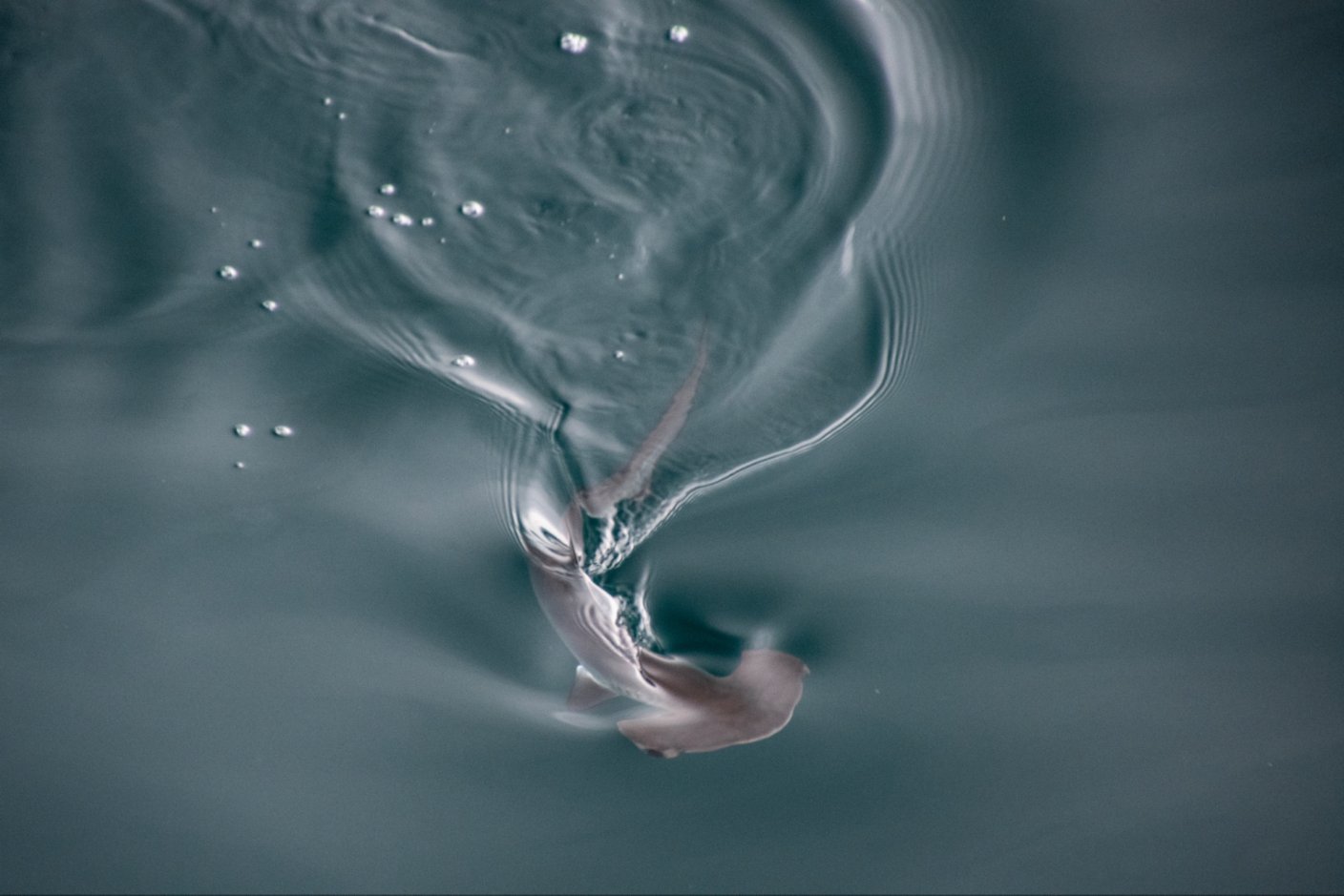
They also may have found a critical smooth hammerhead shark nursery. These nurseries are where young sharks spend the earliest stages of their lives before moving out into the open ocean. Similar nurseries can be found for great white sharks (Carcharodon carcharias) off the coast of New York and Delaware Bay is home to a sand tiger shark (Carcharias taurus) nursery. This potential nursery gives researchers an opportunity to answer some fundamental questions about the mysterious Eastern Tropical Pacific shark.
The smooth hammerhead and scalloped hammerhead sharks (Sphyrna lewini) may look alike at first glance, but some subtle differences can help tell them apart. Smooth hammerheads do not have the central indentation on the front of their heads seen on scalloped hammerheads, making them difficult to identify from the surface. The team believes the species may have been misidentified or overlooked during previous studies.
“Once we confirmed they were smooth hammerheads through morphology and genetic analysis, we realized we had an incredible opportunity,” María Antonia said. “Now we’re trying to understand why they use this area, how long are they staying in the bay, where else in the island can they be found and if they are connected with other populations across the Eastern Tropical Pacific.”
The team is using acoustic telemetry, underwater video systems, genetic analyses, and dietary studies to try and answer these questions. The juvenile sharks are fitted with acoustic transmitters, so the scientists can monitor their movements within the Galápagos Marine Reserve. Their DNA samples are also being compared with populations from across the Eastern Tropical Pacific to map the connections.
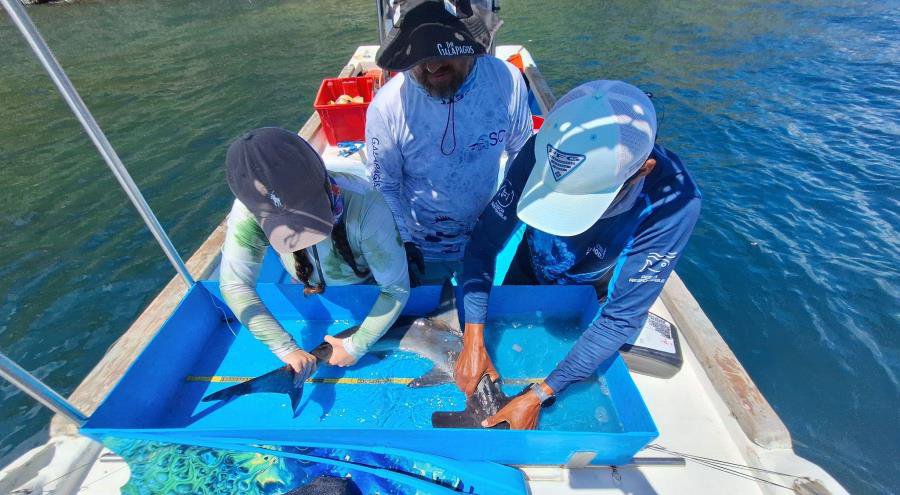
“We’re comparing DNA from sharks throughout the region to determine whether the Galápagos acts as a bridge between northern and southern populations,” said María Antonia. “We’re also analyzing fecal samples to understand what juvenile smooth hammerheads are eating and continuing efforts to study subadult and adult sharks, which have proven much more difficult to capture.”
Just like other hammerheads, smooth hammerheads are threatened by overfishing. While they are protected within marine reserves, many will travel outside of protected areas and into international waters where they are more vulnerable to fishing fleets. Understanding where they are traveling could help strengthen conservation efforts by pinpointing the sharks’ critical habitats and migratory corridors.
For María Antonia, this project is especially meaningful. It combines a passion for marine conservation with her connection to her home country.
“Growing up in Ecuador inspired me to become a biologist,” she said. “Being able to contribute to the conservation of one of the least-understood shark species is incredibly rewarding. Every new discovery brings us one step closer to ensuring these animals remain part of the Galápagos ecosystem for generations to come.”
