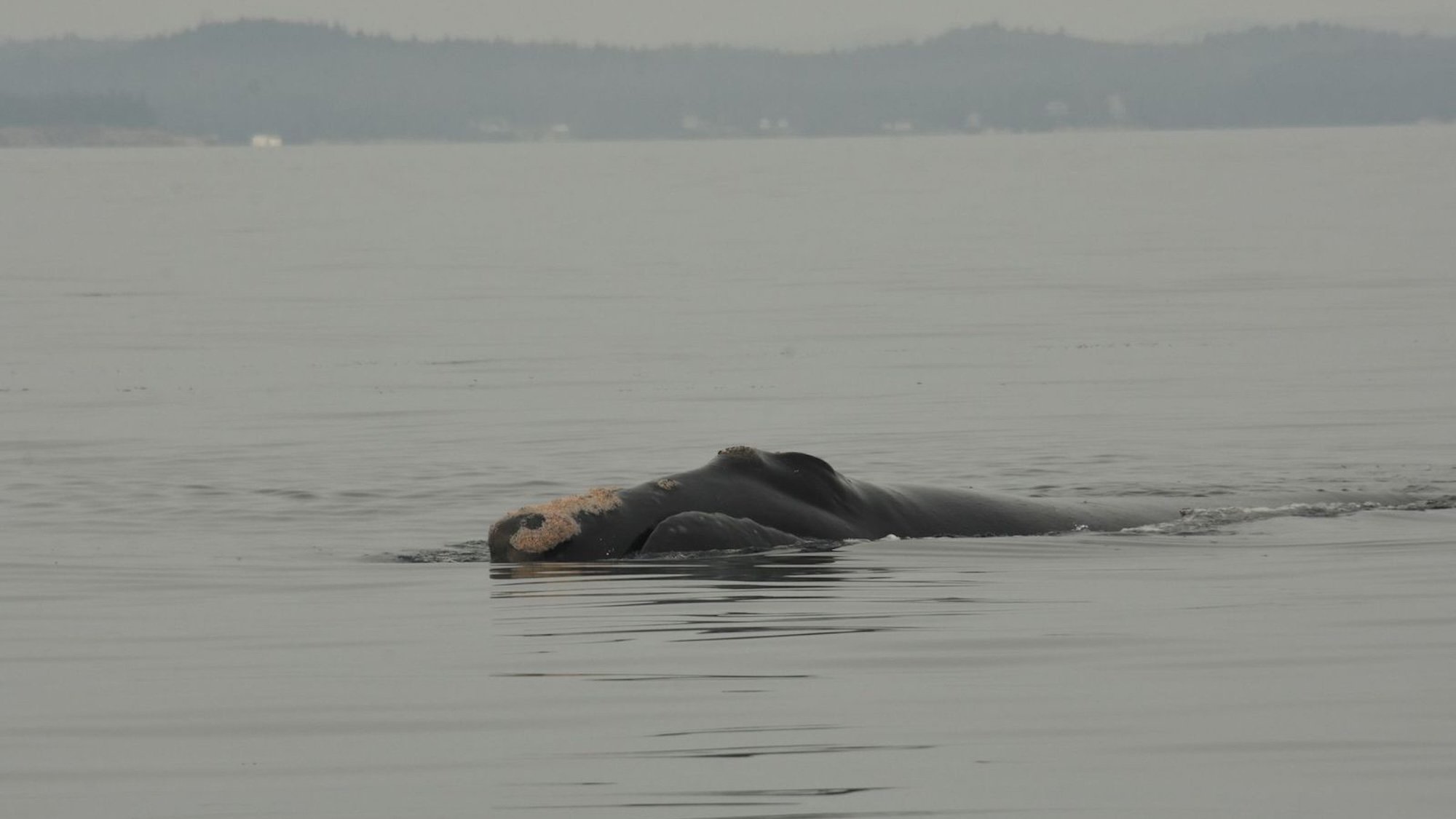
Less than 400 adult North Atlantic right whales (Eubalaena glacialis) still exist in the wild, making them one of the world’s most critically endangered species. Of those, 20 have officially received spiffy new names from conservationists at the New England Aquarium’s Anderson Cabot Center for Ocean Life. The researchers curate the annual North Atlantic Right Whale Catalog, and attach personable monikers to a select few baleen cetaceans in order to more easily monitor them. This year, it’s time to wave hello to Dodo, Volcano, and Dolly.
“Naming right whales is a fun and creative activity for our research community, but it also allows an opportunity to connect with the whales on an individual level,” Amy Warren, an aquarium scientific program officer and name project coordinator, said in Anderson Cabot Center’s announcement. “It can be hard to relate to Catalog #5299, but a whale named Nibbles is bound to be memorable.”
The 2026 inductees also include Grand Slam (Catalog #3991) and Slide (Catalog #4991). The sister whales have a mother named Fenway (Catalog #2791), who was also named in honor of the Boston Red Sox. Grand Slam earned her new name thanks to her three patches of raised tissue known as callosities that resemble the bases on a baseball field. Meanwhile, Slide received their name due to the curved scar on her back that recalls someone sliding through home plate. Other right whale names this year include Goose, Donegal, and even Gonzo for the beloved Muppet.
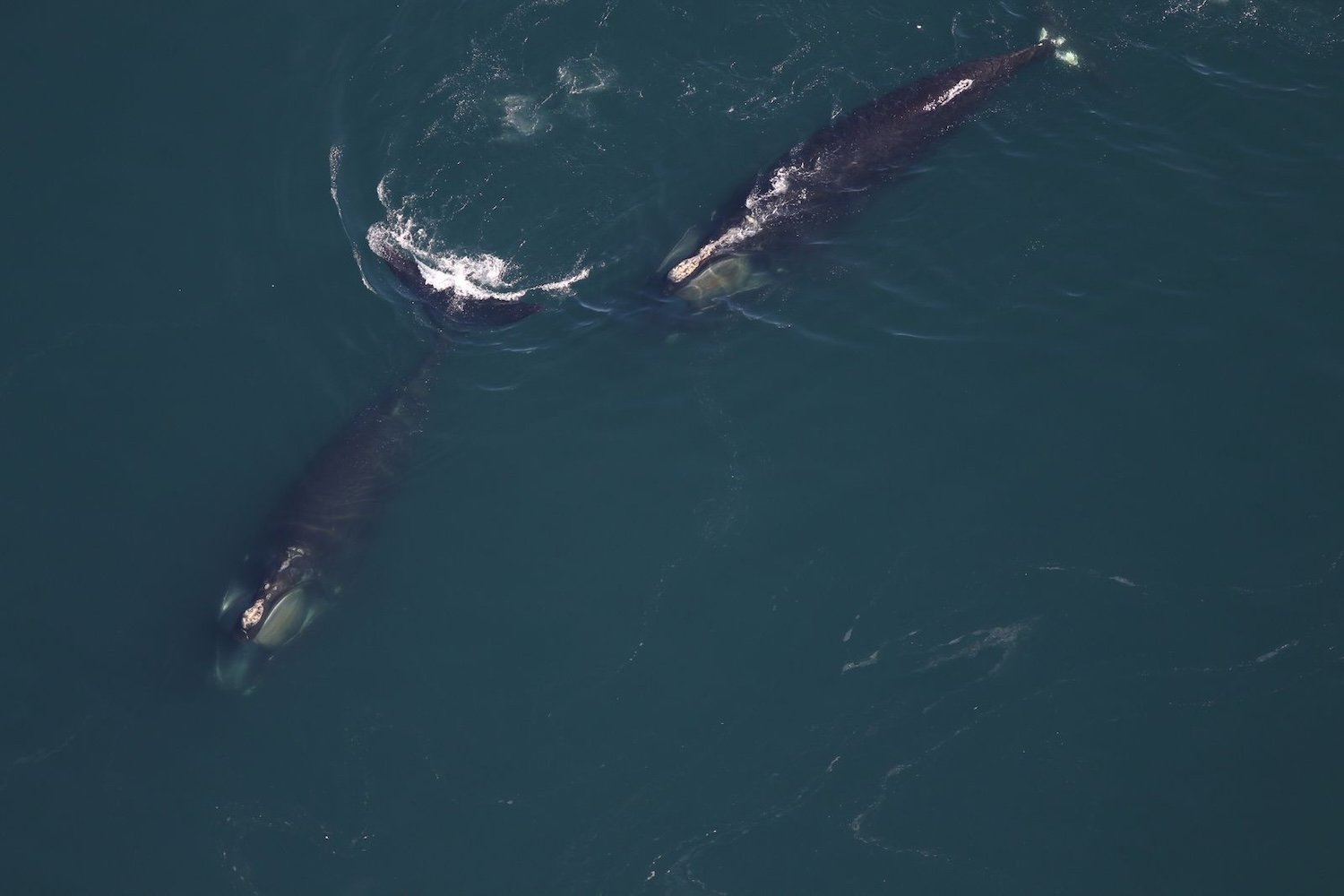
“Although the names are intended to help researchers at sea, they also give the general public a better understanding of the individual whales,” added Caroline Mowdy, a spokesperson for Whale and Dolphin Conservation (WDC).
Collaborators at the WDC also created some lighthearted, yearbook-esque biographies for each whale. For example, Dolly (Catalog #4191), whose callosity looks strikingly similar to the late, great country singer’s larger-than-life hair, apparently loves the song, “Jolene.” Then again, who doesn’t?
“We see these whales and their families grow each year,” said Mowdy. “Knowing them makes the tragedies even more tragic, but it also makes our determination to protect them even stronger.”
On Monday, the North Atlantic Right Whale Consortium announced that there are roughly 382 North Atlantic right whales, representing a 1.8 percent drop in population size from the 2024 estimate. Their primary threats remain getting tangled in fishing line and vessel strikes.
However, even amid their struggles, the 2025–2026 right whale calving season saw the most calves born since 2009. A total of 24 calves were born, including a surprising late addition that was spotted in Canada in September.