Princeton students run into issues with their free Kindle DX e-readers

E-Reader Troubles To read or not to read on Kindle? Amazon.com

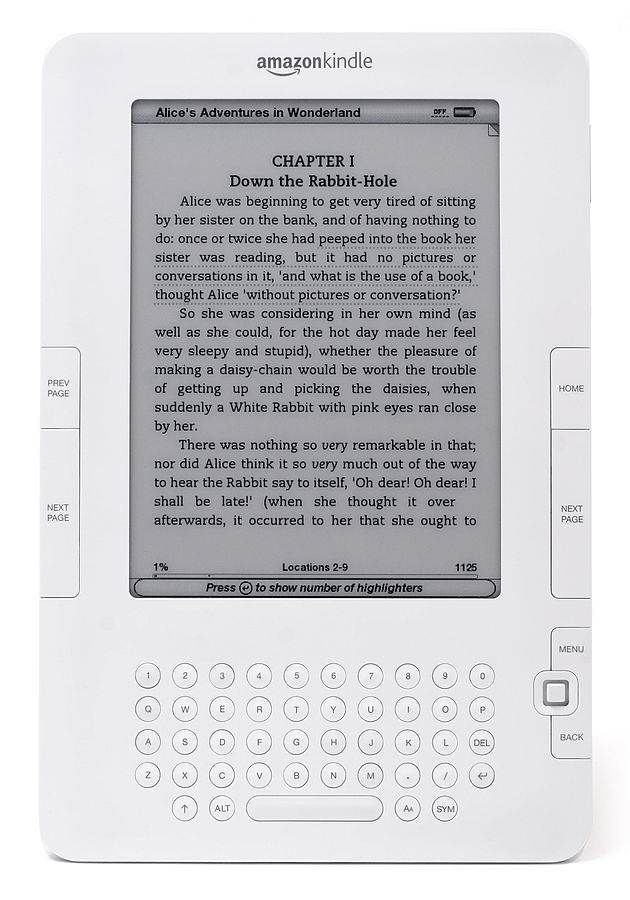
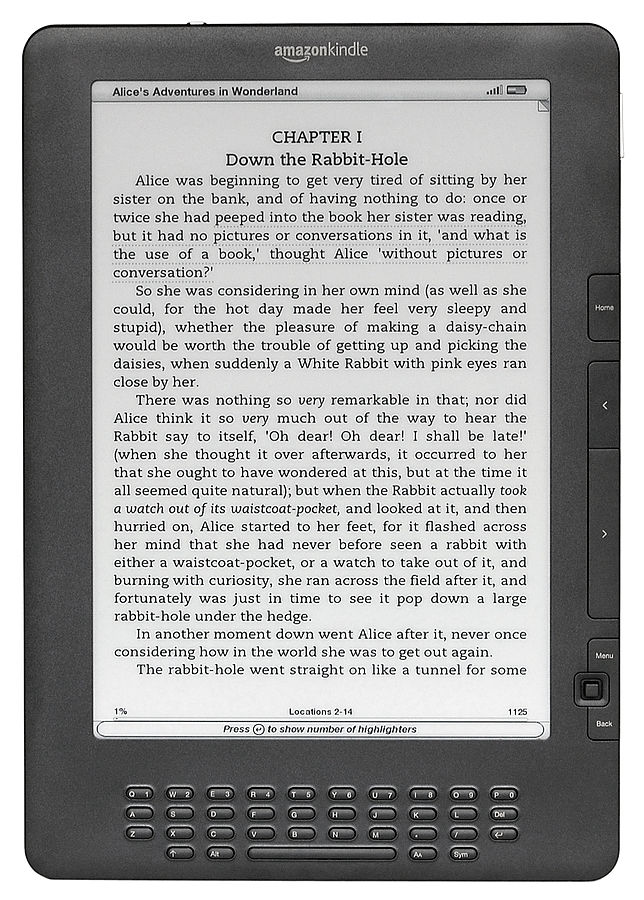
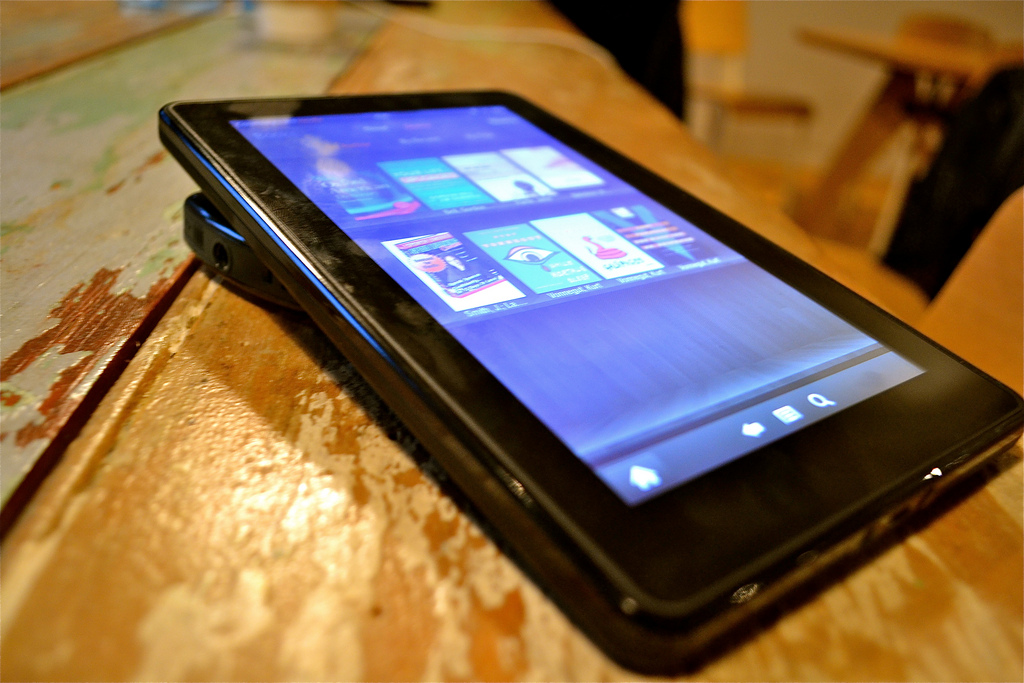
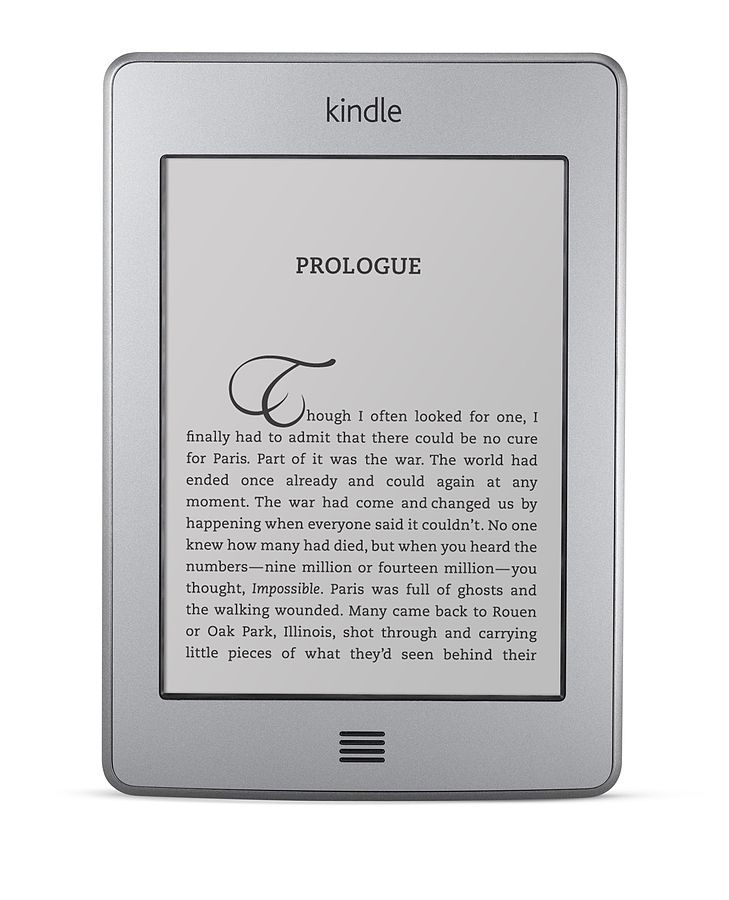
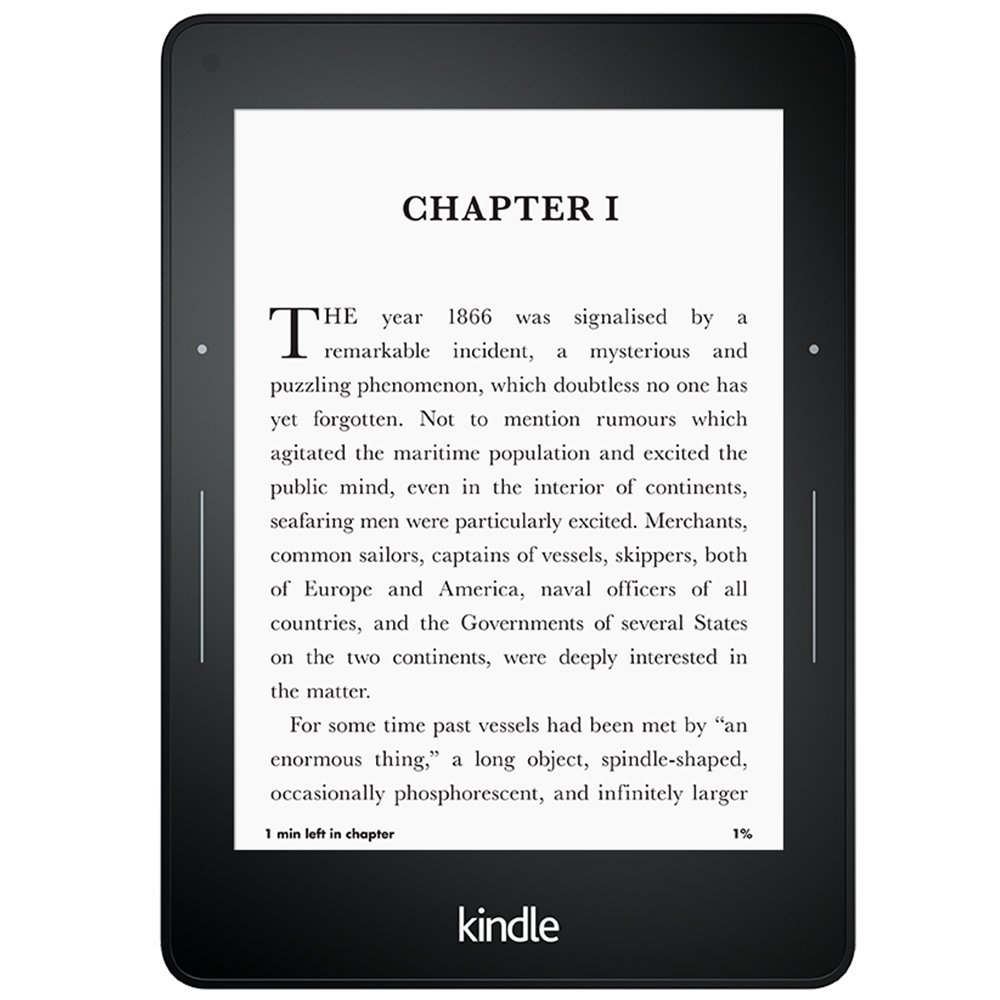
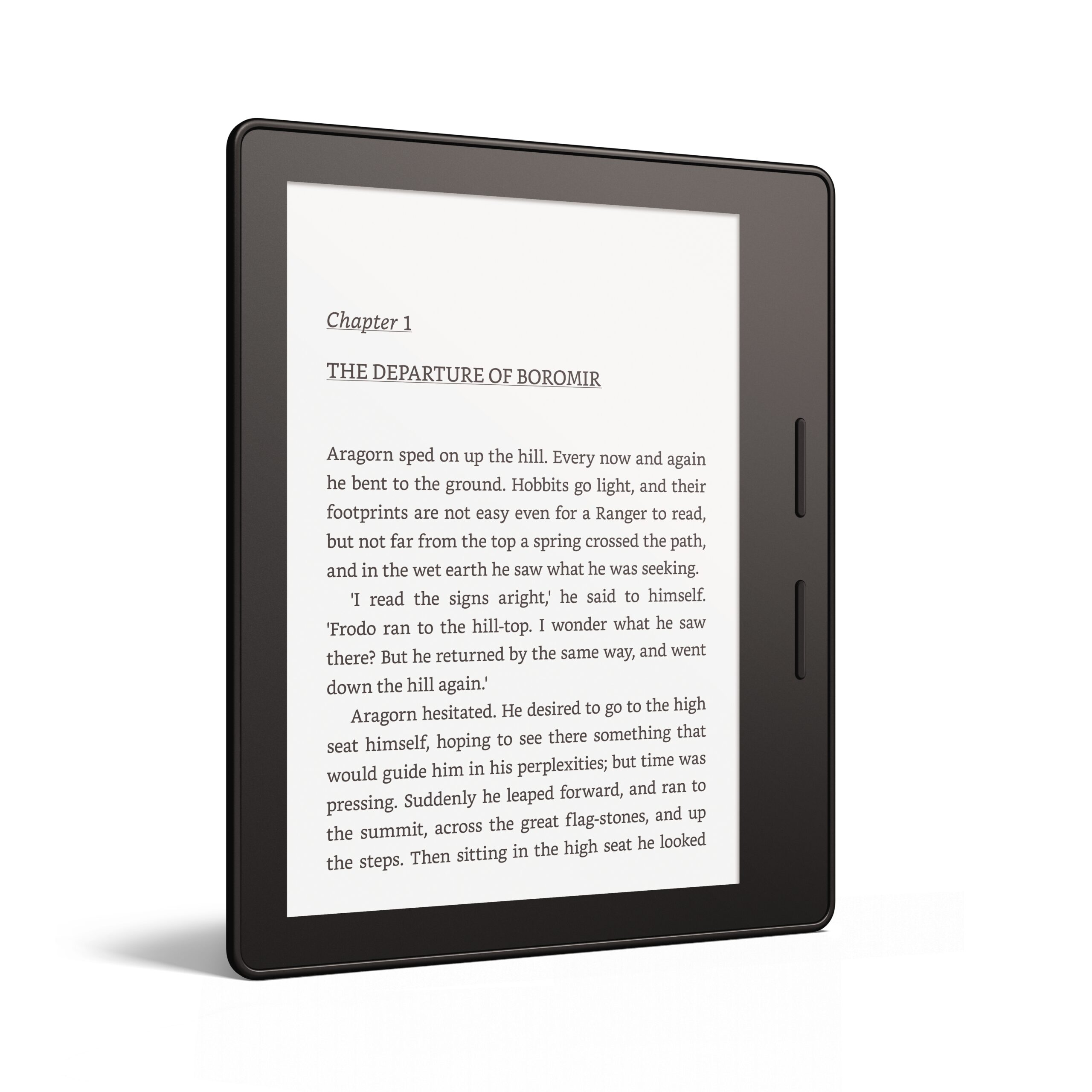
Once upon last May, the Kindle DX seemed like a great academic tool for Princeton University classrooms. But students and professors have since begun to voice some discomfort.

"I hate to sound like a Luddite, but this technology is a poor excuse of an academic tool," said Aaron Horvath '10, a student in Civil Society and Public Policy, in a Daily Princetonian interview. "It's clunky, slow and a real pain to operate."

Horvath is one of 50 students who received free Kindles for their course reading as part of an e-reader pilot program. The university partnership with Amazon.com came courtesy of founder Jeff Bezos, a Princeton alum, as part of an effort to conserve paper.

Students did indeed save on paper, but had to find new ways of interacting with their digital texts. Horvath noted that his past methods of highlighting, using sticky notes and scribbling margin notes have essentially become useless. Furthermore, Wilson School professor Stan Katz said that the lack of page numbers in the Kindle format posed a challenge for students to cite sources consistently.

Some students and professors cited the benefits of not having to lug around large amounts of reading, and the ease of reading on the Kindle's large screen. But they also suggested that e-readers would never replace the functionality and organic feel of reading and taking notes on paper.

We here at PopSci previously noted advantages of the Kindle DX for students or news junkies. But perhaps this and other emerging user experiences may give policy experts a pause before they propose one Kindle per child for U.S. students.

Gizmodo also recently speculated on signs that Apple may be readying itself to launch a Kindle competitor, and has approached organizations ranging from the New York Times to textbook publishers.

But Apple's tablet device could best the Kindle with the aim of also supporting audio, video and interactive content -- in which case students may feel more willing to overlook the downsides of e-readers compared to traditional print.

[Daily Princetonian via Treehugger]

Want the latest news on grown-up toys and gadgets, product reviews, sneak peeks, and more? Subscribe to Popular Science and enter to win $5,000!

2 Comments

I got the kindle 2 and use it for school sometimes, when the content is available and not too costly. Most of the time I have to convert from pdf but that's not too much of a hassle. I love to have it read aloud to me when driving or playing starcraft. Even if I'm not paying 100% attention if I read ahead and go to class I absorb more, on the other hand I can't do homework out of it so I still need a real book or have a friend with one at least. The think I absolutely HATE about it is they changed the usb plug from a standard one that I have over 9000 spares of to some goofy proprietary one. So if I go home over the weekend and loose the cable there I and stuck with out a kindle until I go home a find it because on audio mode it only lasts a day and school is quite far from home. (-_-') I also wish it had a micro sd card or something 2gb is not that much mp3 these days.

They need to figure out a way to make it a tablet, that way you can do all the things you would normally do with text books. Plus you could write notes, either on the page, or open a separate page for notes. the possibilities for these e-readers are endless, it just takes time to research and then to implement them.

They could even make it with 2 screens that unfold like an actual book, while still giving you the option of using only 1 of the screens for when you are just passively reading. This would give more room for electronics needed to implement more features.


Download Our iPhone App

Stay up to date on the latest news of the future of science and technology from your iPhone with full articles, images and offline viewing


Follow Us On Twitter

Featuring every article from the magazine and website, plus links from around the Web. Also see our PopSci DIY feed


Become a Fan On Facebook

Share links with friends, comment on stories and more


December 2009: Best of What's New

In our December issue, Popular Science names the 100 best innovations of the year: bombproof wallpaper, self-parking cars, the fastest helicopter, and 97 more. Plus inventor profiles and videos.

Check out the best of what's new here.

Popular Science Photo Pool


Share your photos in the Pop Sci pool at www.flickr.com!
tags_sprite.png
POP_embeddedForm_cover_May09.jpg