
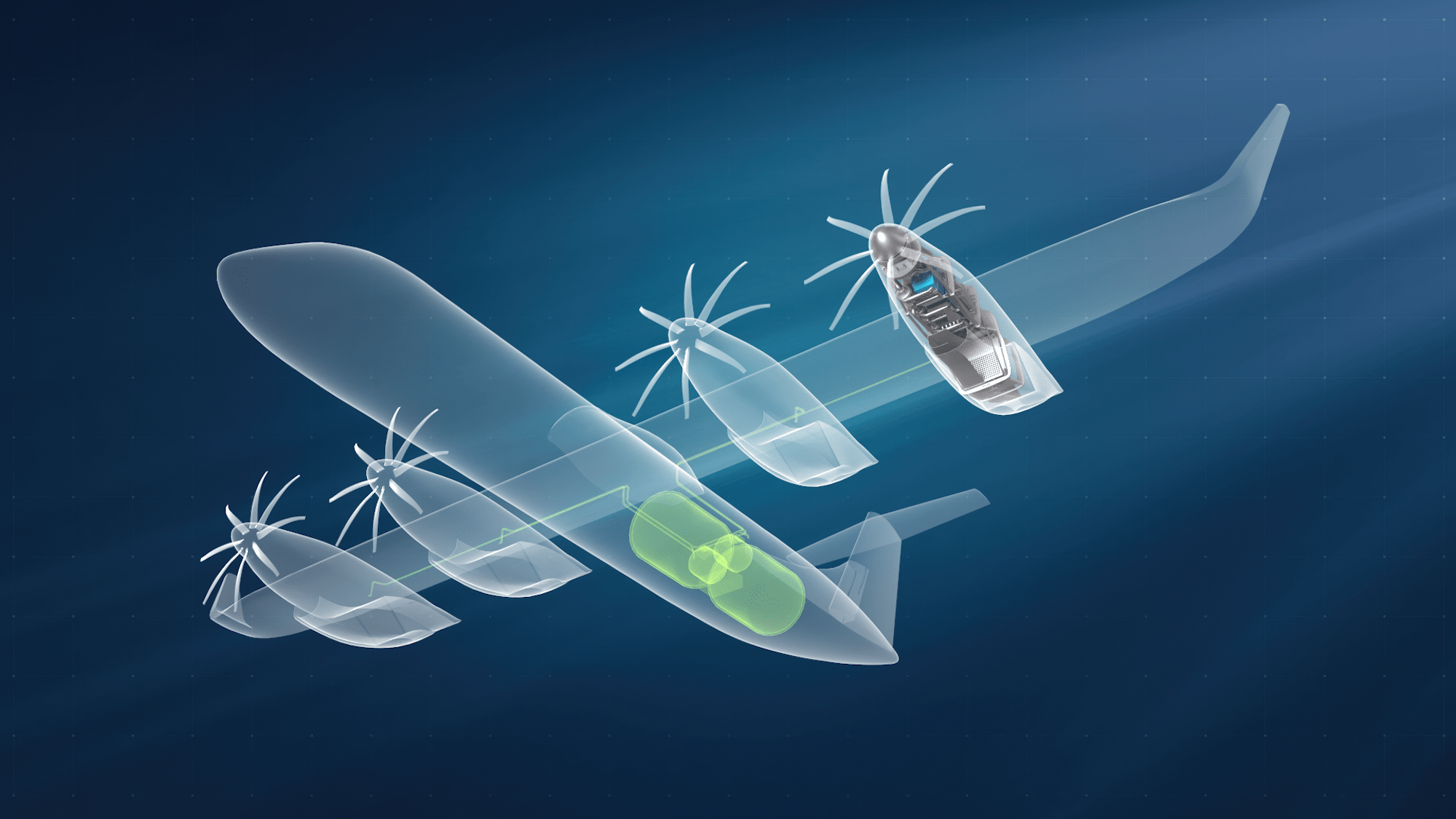
Electric hydrogen-powered aircraft were once considered a costly pipe dream, but recent advancements show it’s possible. One of the industry’s biggest aeronautics companies is pushing forward with plans to develop its own next-generation plane engine. On July 7, Airbus confirmed a partnership with Germany’s MTU Aero Engines to design and construct the world’s first aircraft engine powered entirely by electric hydrogen fuel cells.
A newly formed joint company aims to begin in 2027, depending on regulatory approvals from the European Union. Both sides previously entered into a memorandum of understanding at last year’s Paris Air Show as part of Airbus’ ZEROe initiative first announced in 2020.
“Our ambitious goal is to pave the way for a newly developed, safe, reliable and economical propulsion system that will contribute to climate-neutral aviation,” MTU Aero Engines senior vice president of engineering and technology Stefan Weber said in a statement.
The airline industry remains one of the world’s largest transportation contributors to greenhouse gas emissions, and is responsible for releasing toxic amounts of carbon dioxide, sulfur oxides, and contrails into the atmosphere every year. Instead of running on synthetic fuels, hydrogen fuel cell engines rely on lightweight liquid hydrogen that is burned in an electrochemical reaction to power large lithium batteries. The byproduct is primarily water vapor, although more research is needed into understanding how much potential sulfur oxide is released.
In an announcement, Airbus said that it “aims to completely eliminate in-flight carbon dioxide and nitrogen oxide emissions” in their planes using the hydrogen fuel cell system. If all goes according to plan, the companies hope to finish development on their new airline by 2035. In the meantime, Airbus and MTU are working to create a broader hydrogen aircraft ecosystem along with regulatory frameworks for the operation and certification of future sustainable planes.
