
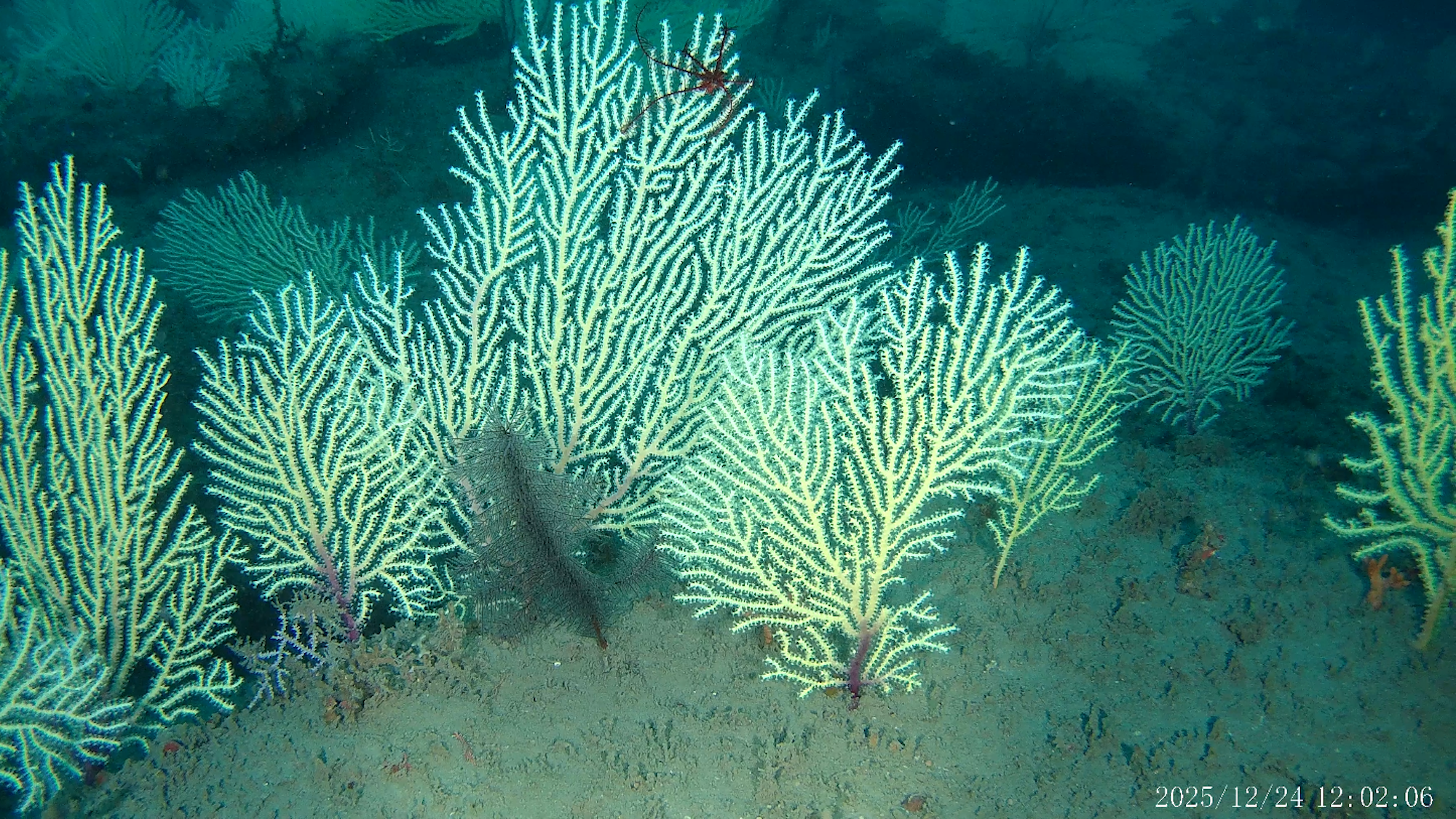
A deep-ocean coral reef presumed dead for nearly 60 years off the coast of Benin was recently rediscovered and is teeming with life. A team of oceanographers led by Gérard Zinzindohoué at the Institut de Recherches Halieutiques et Océanologiques du Bénin documented their findings in the journal Frontiers in Marine Science, which highlights just how much is left to learn about West Africa’s underwater ecosystems.
Scientists first identified the possible location during the 1960s, while surveying potential fishing areas, but assumed that whatever reef resided along the seafloor was dead. After receiving grant funding to revisit the area, Zinzindohoué and his colleagues spent days searching over seven miles of the Gulf of Guinea using sonar equipment before finally flagging two signals large enough to match the potential reef remnants.
“It was not an easy field campaign,” Zinzindohoué recalled in a statement. “It was a mix of long days at sea, technical problems, and a lot of uncertainty.”
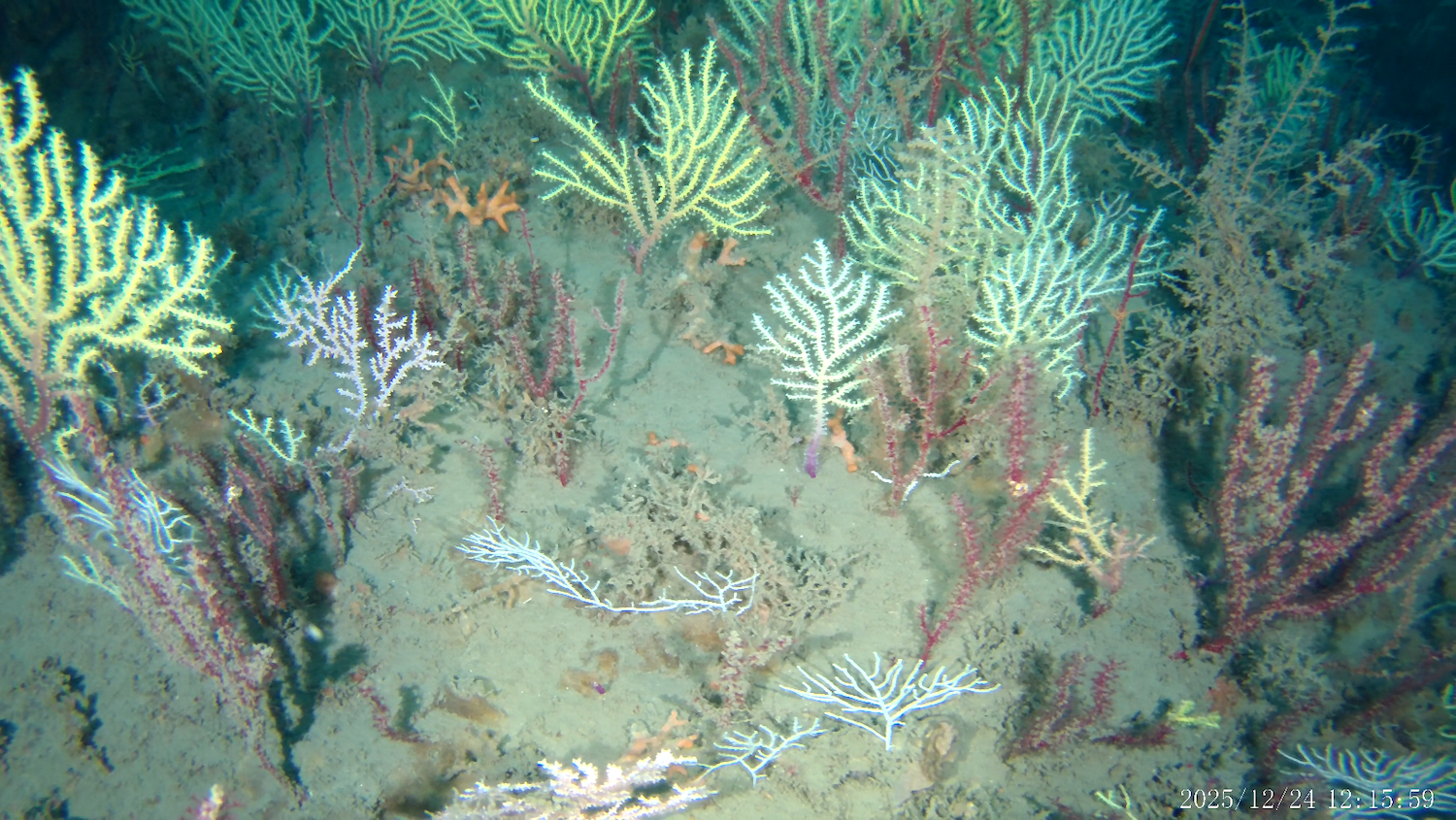
Zinzindohoué’s team then deployed an underwater drone and the National Geographic Exploration Technology Lab’s Deep Sea Camera System to get a closer look. About 165 feet below the ocean surface, they spotted the unexpected—the reef was far from dead.
“I still remember seeing those first images. It was a mix of excitement and disbelief, because after all this time thinking about this reef, suddenly there was something real in front of us,” said Zinzindohoué.
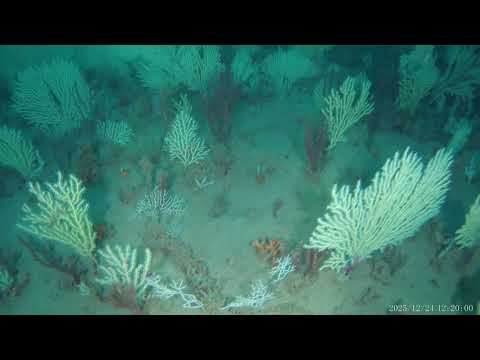
Deep-sea reef near Benin
Based on the depth, the team determined the formation to be a mesophotic coral ecosystem. These ecosystems generally exist in much deeper waters than typical shallow coral reefs. With more limited sunlight, mesophotic coral doesn’t necessarily grow as a single, continuous reef. Instead, it takes the form of patchier or more intermittent colonies.
However, that doesn’t mean there is little activity in mesophotic systems. The underwater survey positively identified eight coral types and eight different species of fish living among them, including Guinean angelfish (Holacanthus africanus), golden African snappers (Lutjanus fulgens), and the Monrovia doctorfish (Acanthurus monroviae).
Zinzindohoué believes their discovery is the first confirmed living mesophotic coral on the Gulf of Guinea continental shelf, but that doesn’t mean it’s the only one.
“I think what we found is probably not an exception. It is more likely a reflection of how little we still know about coastal regions in West Africa and elsewhere,” he added.
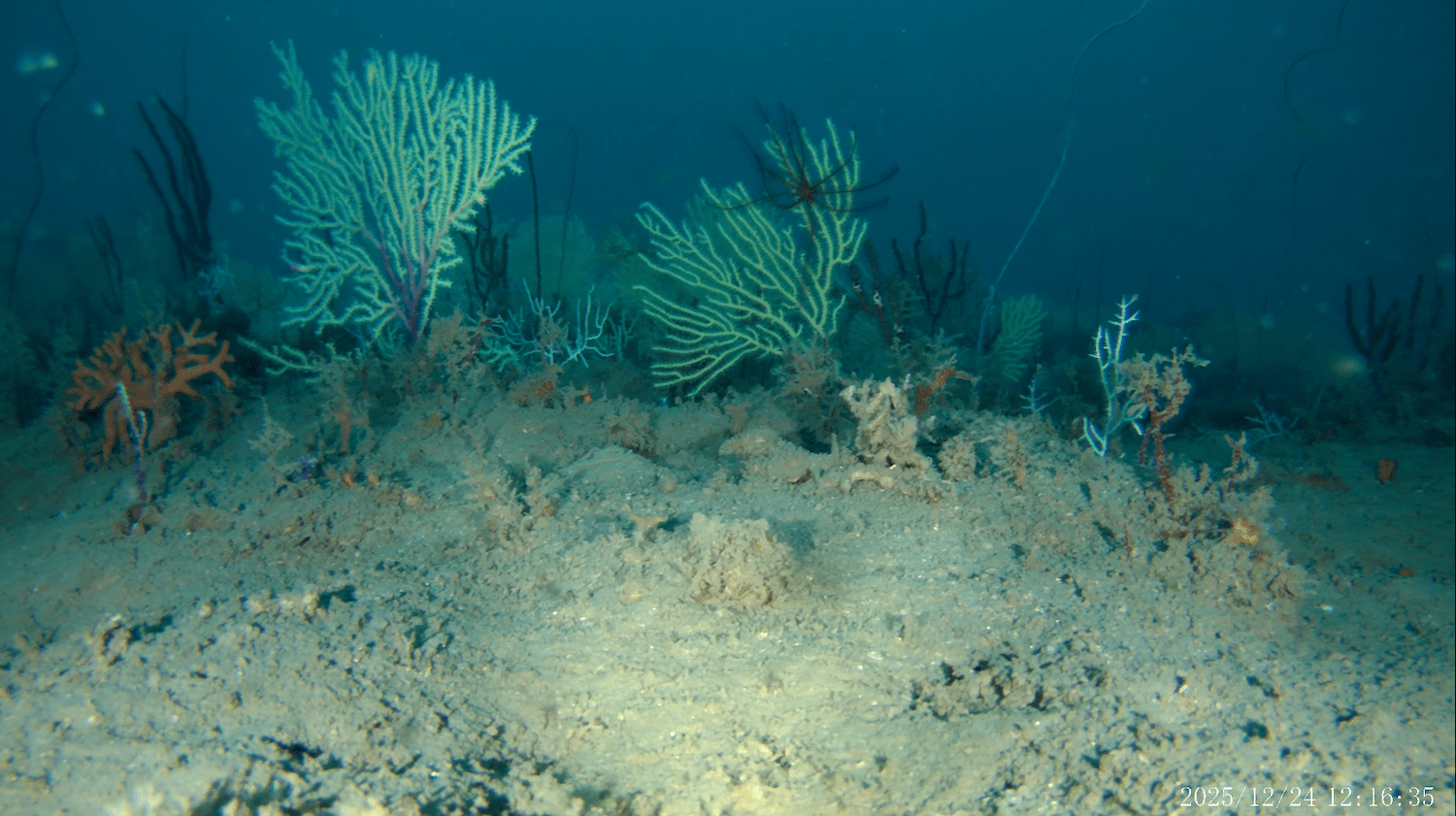
At the same time, return visits are needed to better examine the delicate ecosystems and confirm their health, diversity, and size. Historical data indicates they only imaged a tiny portion of a continuous mesophotic reef spanning nearly 25 miles parallel to Benin’s coast.
“If I had all the grant money in the world, the first thing I would do is return to the site with a proper scientific diving and sampling program,” said Zinzindohoué. “These are ecosystems that are still poorly known in this part of the world, and every additional piece of information matters.”
