
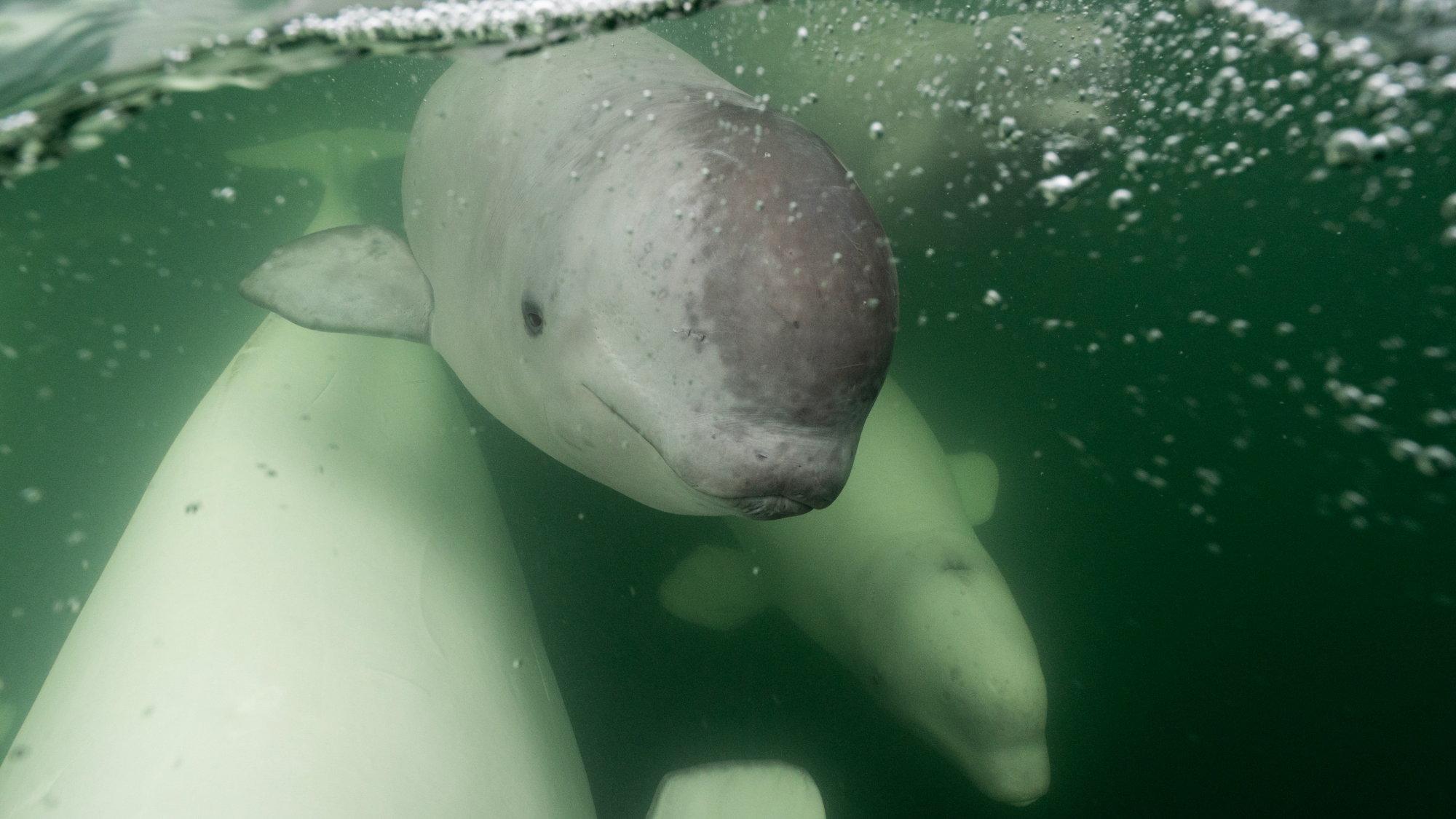
There’s no denying that it’s been a brutally hot summer in North America and Europe. So if you need a new way to cool off as another heat dome settles in, allow us to suggest the annual Beluga Cam. The cam officially goes live on Wednesday, July 15 (Arctic Sea Ice Day), and will show the canaries of the sea on their summer vacation in Canada.

LIVE Beluga Boat Cam: Underwater View – July, 15, 2026 | explore.org
Roughly 57,000 beluga whales (Delphinapterus leucas) migrate to southern Canadian waters during the ice-free summer months. These white whales travel to the Churchill River, which then flows into Hudson Bay. While there, they feed, molt, and give birth to their calves in the safety of the shallow waters.
Polar Bears International (PBI) and explore.org, will share two different views aboard The Sea Canary, aka the Beluga Boat. Experience a bit of the beluga’s world and immerse yourself in the sights and sounds of their experience through these live cams.
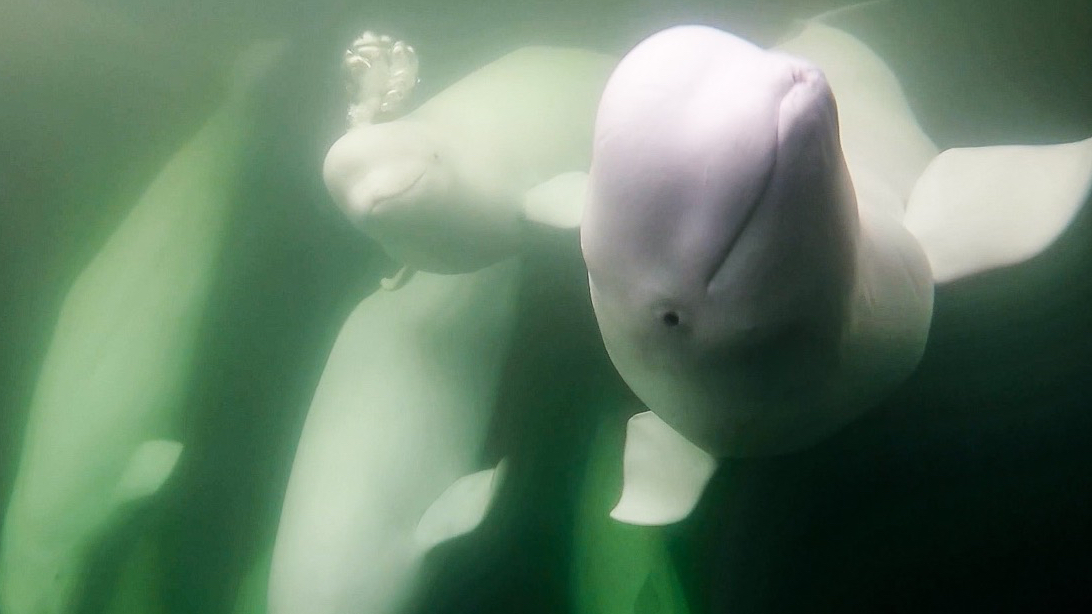
“You’ll see all these family pods swimming amongst each other. Moms are taking care of babies and in these maternal lineages,” PBI director of conservation outreach and biologist Alysa McCall told Popular Science in 2024. “They like to follow the boat in the wake. We go super slow and the belugas will just kind of tag along and they like to go in front of a camera. They bring their babies up to the camera and they just talk all day.”
Viewers will see above- and below-water views of the whales and listen to their frequent vocalizations via hydrophone. The cam also powers the Beluga Bits Citizen Science Project. Over 40,000 volunteers have logged over 10 million beluga photo classifications that are helping scientists study a species that can be difficult to observe in the wild. Past volunteers have even spotted two jellyfish species that had never before recorded in Hudson Bay.
Live broadcasts from the Beluga Boat will be held on July 15th at 10:00 a.m. EDT and 1:30 p.m. EDT.
The first Svalbard Polar Bear Tracker will also be launching on Arctic Sea Ice Day. Created in partnership with the Norwegian Polar Institute, this new project follows two Barents Sea polar bears (Ursus maritimus) around Svalbard, an archipelago between mainland Norway and the North Pole.
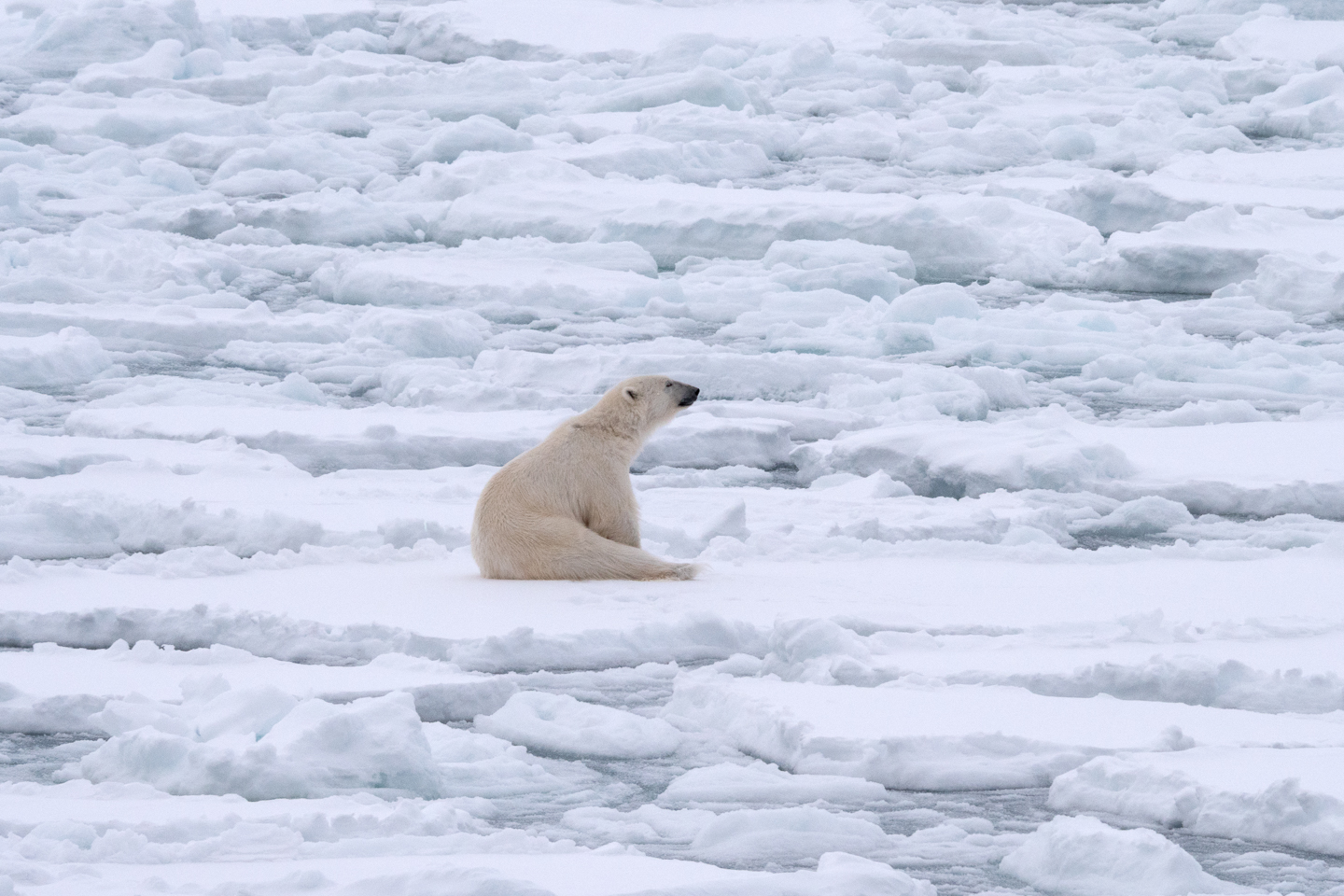
The new tracker builds on the success of the Hudson Bay Polar Bear Tracker, which has been running for over 10 years with the University of Alberta and Environment and Climate Change Canada. The Hudson Bay Polar Bear Tracker just got an upgrade, so viewers can see an animation of the bears’ paths all year. Lucky viewers may even spot Hope, the polar bear mom who adopted a cub in autumn 2025.
“On Arctic Sea Ice Day, we’re excited to connect with people around the world as we celebrate this special ecosystem and inspire conservation action to protect not just the polar bears, but the entire interconnected Arctic ecosystem,” Krista Wright, PBI Executive Director, said in a statement. “What happens in the Arctic doesn’t stay in the Arctic. Every fraction of a degree of warming matters, for polar bears, for Arctic wildlife, and for our shared global climate.”
