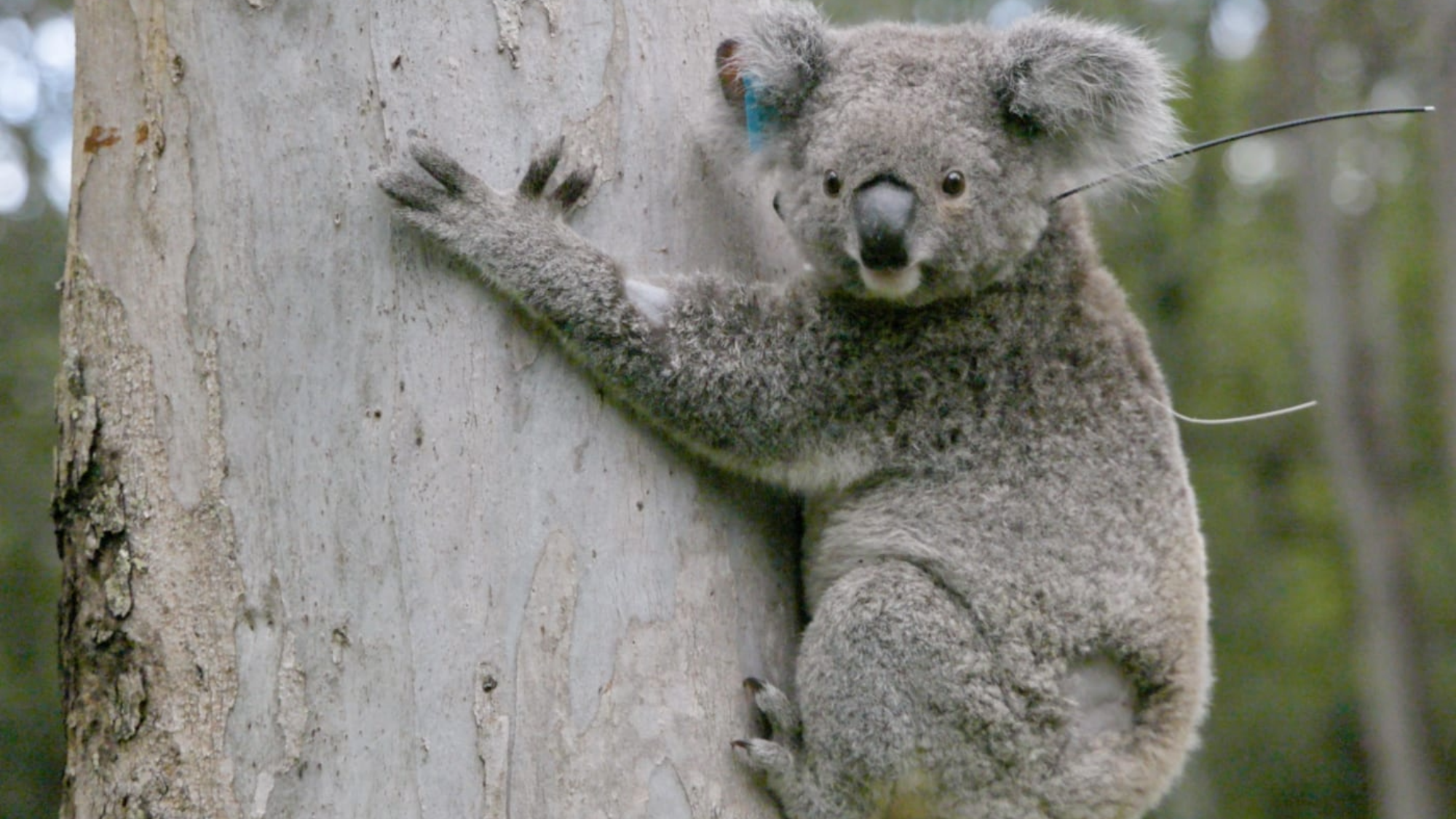
In an island-nation infamously home to tons of dangerous creatures, koalas remain one of Australia’s most iconic wildlife representatives. Unfortunately, they are currently classified as endangered in Queensland, New South Wales, and Australian Capital Territory, and one of the threats they are facing is a disease familiar to anyone who took a comprehensive high school health class—chlamydia.
Chlamydia can bring about infertility, weakness, and blindness, as well as render koalas further vulnerable to other dangers. It is a contagious disease that spreads via close contact, including mating. The scale of the impact depends on the wild population, with some completely spared and others in which 90 percent of the koalas are infected.
In 2025, the first chlamydia vaccine for koalas was approved, after over a decade of work. This new vaccine is an implant that administers a two-dose koala chlamydia vaccine in one go. It was delivered to the first wild koala on May 19.
“We’ve been working with vaccines against chlamydial disease in koalas for over five years now and this is a massive breakthrough where we are turning a two-injection vaccine into an injection and an implant that can be all applied in one examination,” Michael Pyne, a wildlife veterinarian at Currumbin Wildlife Hospital, said in a statement. “It’s truly a remarkable moment.”
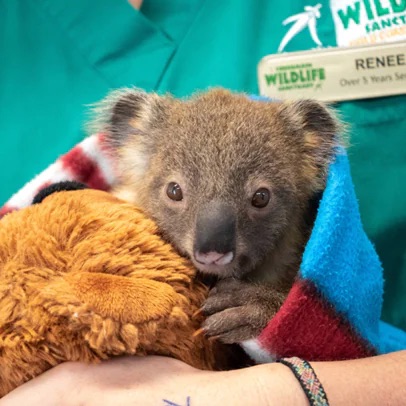
The koala in question is an 18-month-old female nicknamed Bamse, which means teddy bear in Norwegian. She was taken from Burleigh Heads (a suburb on Australia’s east coast), sedated, vaccinated, and given a vaccine implant at Currumbin Wildlife Hospital in Currumbin, Australia, and released again. The implant should have broken down 30 days later (sometime in June), releasing the second dose.
Since then, four more wild koalas from Burleigh Heads, have received the implant. Two of them, including Bamse, were taken in again for their one month follow-up. Fortunately, they are still uninfected with chlamydia.
The trial in wild koalas comes after the implant was successful in trials with captive koalas. If the implant turns out to be effective for wild populations, too, it would provide a significantly more practical alternative for large-scale wild koala vaccination than having to capture them again for the second dose.
“Bamse is 100% a trailblazer,” said Tanya Pritchard, a conservation scientist at the World Wildlife Fund. “When we look back on the history of koala conservation, this gorgeous little koala may end up being one of the most important of this century.”