
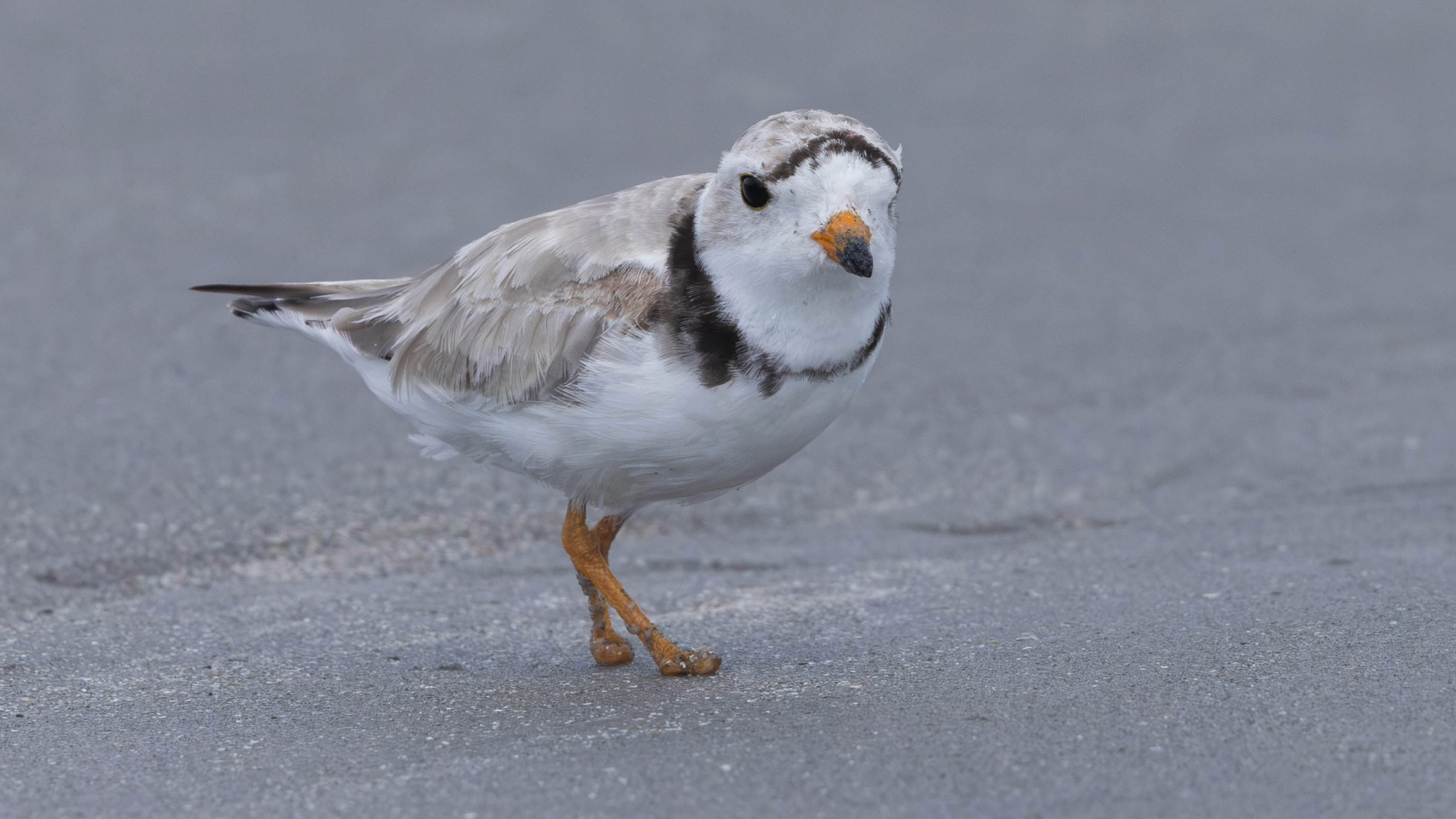
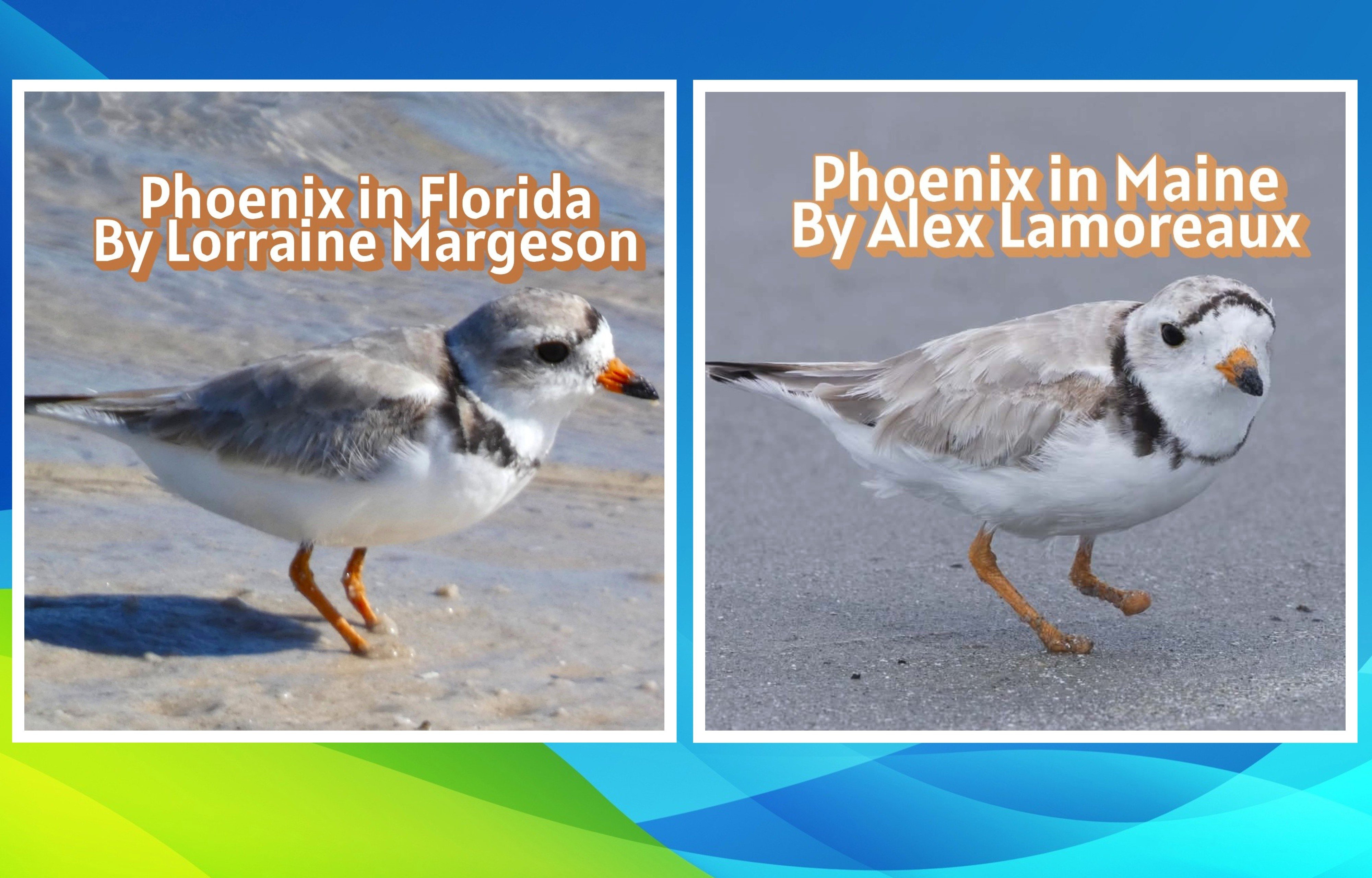
At first glance, this adult male bird looks just like any other piping plover (Charadrius melodus) scurrying around the beach. But he is missing some crucial body parts.
“We’re always looking on the sand for piping plover footprints because they have this really distinctive, three-toed pigeon-toed walk,” Laura Minich Zitske, a wildlife ecologist at Maine Audubon and director of the Coastal Bird Project tells Popular Science. “We first noticed that there were some funny tracks that we couldn’t quite figure out what was going on. And then we saw this guy without any toes, so we’ve been calling him ‘no toes.’”
In July, photos of “no toes” began to spread among birders. They found their way south to Lorraine Margeson in Florida, after Maine biologist Alex Lamoreaux tagged her in a photo on Facebook to see if she knew this particular plover. A retired shorebird biologist and 23-year volunteer with the Florida Shorebird Alliance, she is a well-known force for bird conservation, particularly for piping plovers.
“There’s just no one else that looks like this,” Margeson tells Popular Science. “This is not an injury I’ve ever seen on any bird.”
Fully named Phoenix the Footless, Margeson first spotted him in January 2023 around Outback Key in Fort De Soto Park southwest of Tampa. The shorebirds spend the fall and winter in Florida and other states along the Gulf Coast, before flying up north towards the Great Lakes, Great Plains, Mid-Atlantic, and New England for summer breeding season.
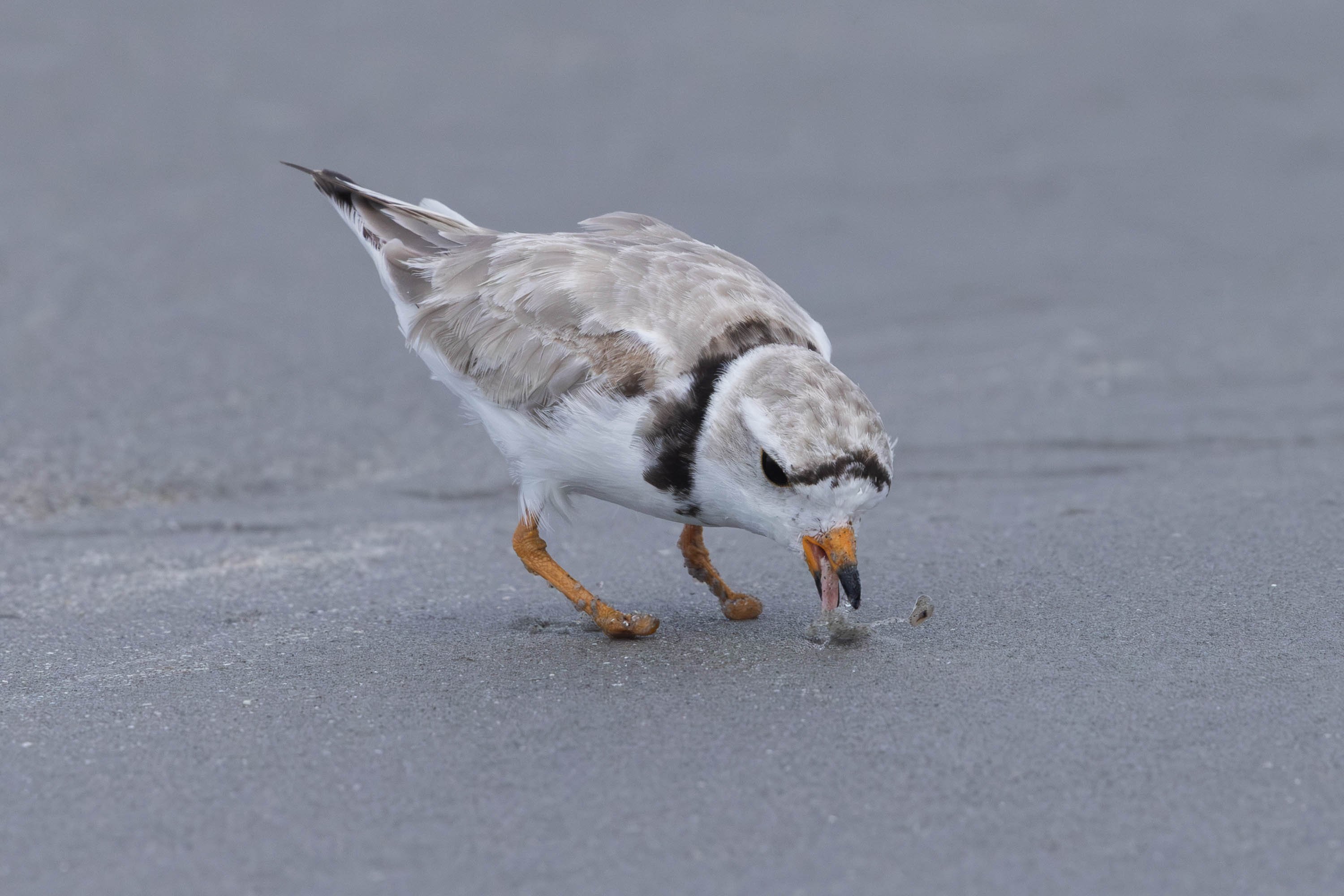
“All of the birds are always coming and going. Some stay, some pass through. One day, I see this poor bird that has fishing line around both its feet,” Margeson recalls. “I immediately called our rescue organizations and the park rangers. We made 20 forays over a couple months to try to get the bird and get the line off. And the little bugger would fly off every time.”
After about a month and a half of this wild plover chase, Margeson noticed that the bird’s feet were developing gangrene and turning black. She was preparing to have to catch him so that he could be humanely euthanized, since parts of his feet were already falling off.
“He must have been so miserable,” Margeson says.
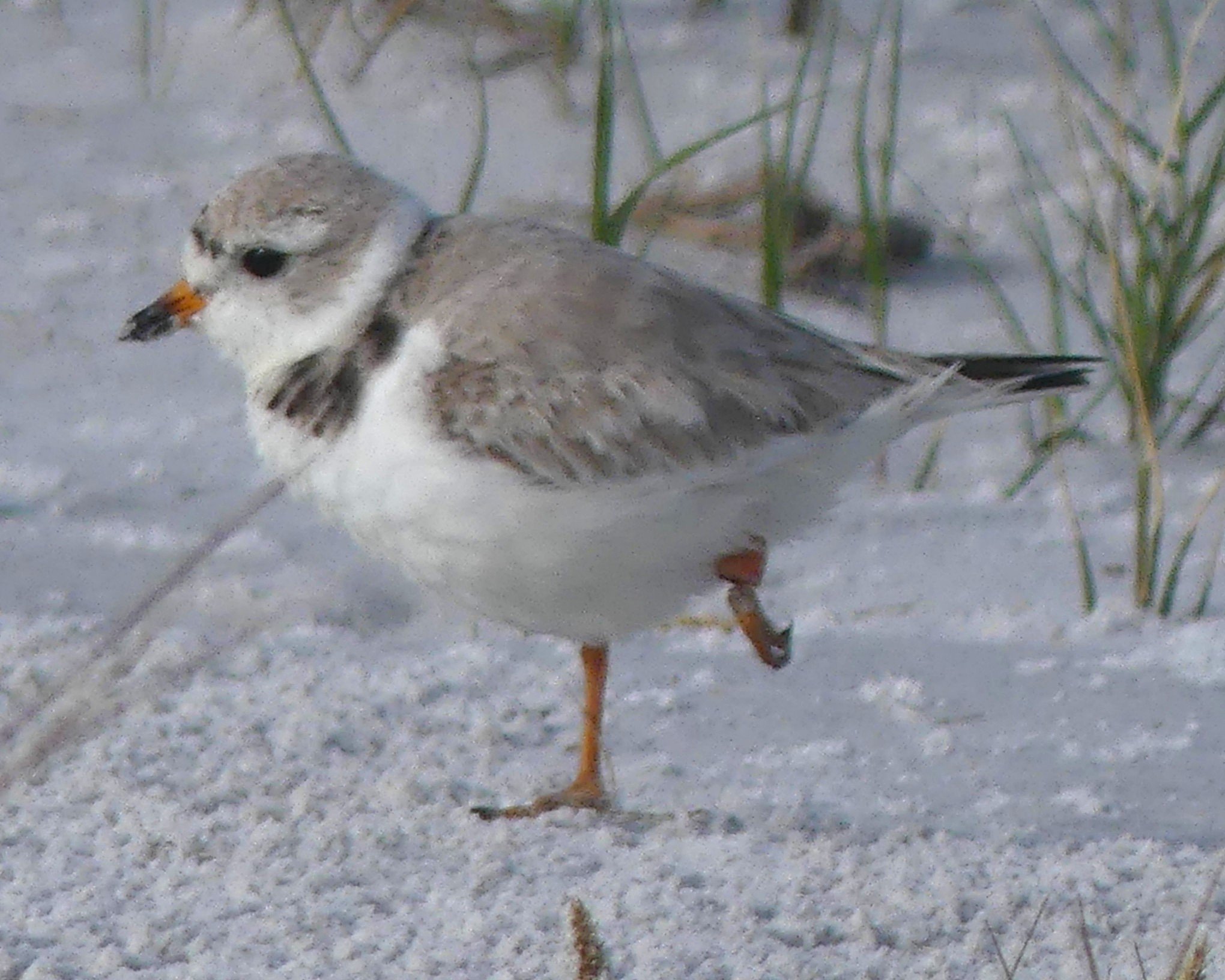
However, when she returned to the beach one day, she noticed a bird running around the sand without any feet, just like any other piping plover. Margeson named him Phoenix the Footless after this remarkable recovery.
Instead of migrating north, Phoenix stayed put in Florida that first year without his feet as the wounds were healing. He is now migrating just like other piping plovers.
While birds can survive injuries like this one, Minich Zitske says that it is still fairly rare. Fishing line is particularly dangerous for these tiny birds, but even something as small as a human hair can also be troublesome.
“Especially for chicks because once plovers are adults, they’re not moving on their feet quite so much. They’re mobile within hours of hatching, and running all over the beach,” Minich Zitske explains. “We were able to catch a chick that had been entangled in human hair, and one of its legs was getting swollen, but we were able to remove that hair.”
Typically, ornithologists consider it a good sign if a bird is able to fly away, but the risk of infection still looms. Fortunately for Phoenix, the injuries healed and he is continuing about his bird life. He has not had chicks of his own yet, but observers with Maine Audubon say that he is going through the normal motions to try and nest.
Some populations of piping plovers are still listed as endangered, while others are considered threatened. Either way, these birds are rebounding thanks to decades of conservation efforts. This year’s piping plover nesting in Maine has been particularly successful. After only 33 nesting pairs were spotted in 2011, a record-breaking 190 piping plover pairs were spotted on Maine’s beaches this season. As of August 7, 342 chicks have already fledged and 9 are still in Maine.
“If we hadn’t seen all those birds, we wouldn’t believe it,” Minich Zitske says.
Birds like Phoenix the Footless also demonstrate how animals can heal and beat the odds without human intervention. Piping plovers are only six-inches-long, but as Margeson puts it, “they are the toughest little shits that ever walked the planet.”
