
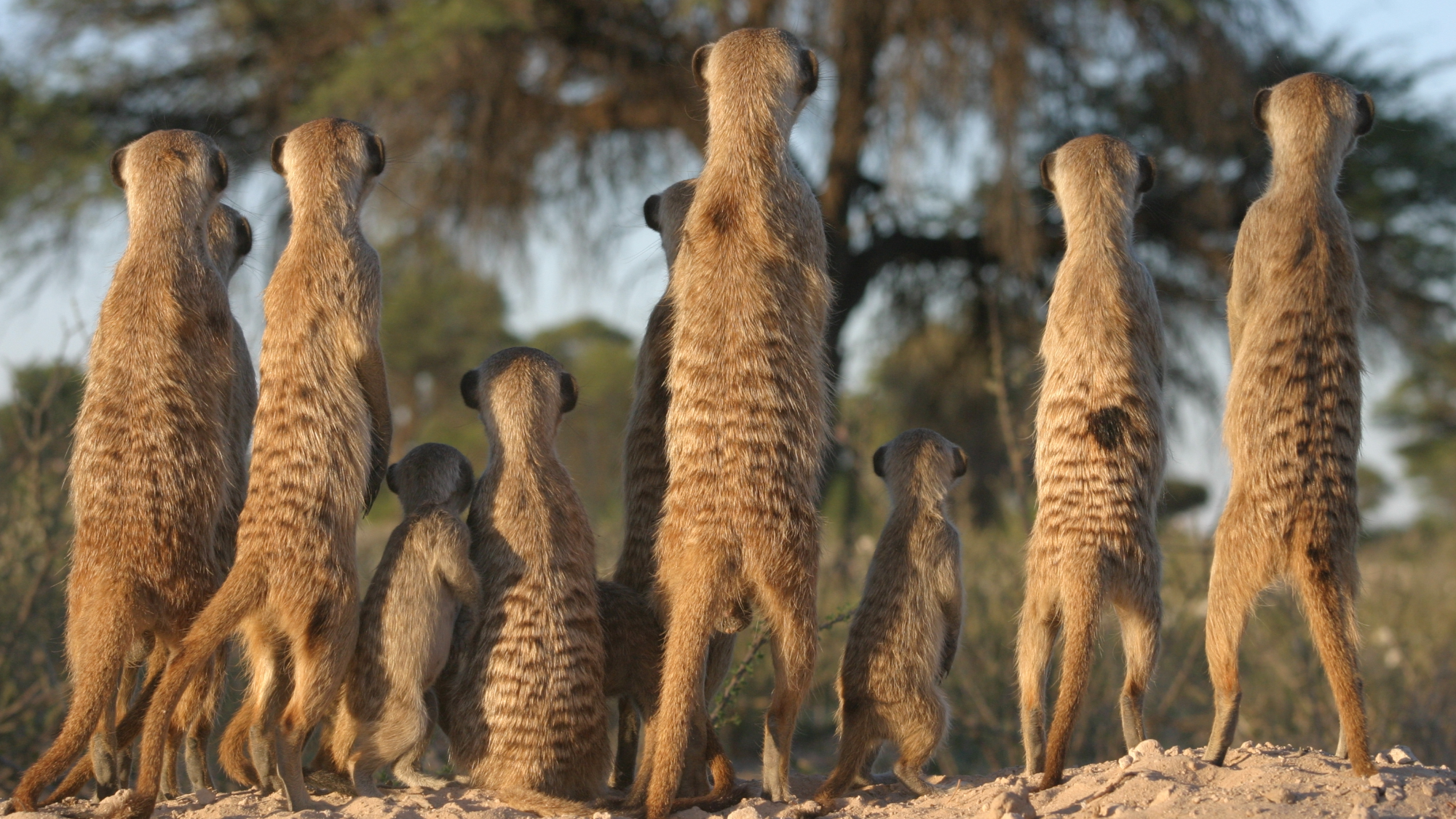
In the animal kingdom, life can sometimes look more like Game of Thrones than Charlotte’s Web. Bloody conflicts over territory, mates, and more are common in social animals, and several species have their own anticipatory behaviors to prepare when a fight looks imminent. They stay quiet, monitor their surroundings, conduct raids, and even bond with their allies through play and grooming.
According to a study published today in the journal Trends in Ecology & Evolution, environmental cues and memories can signal that it’s time to prepare for war. These behaviors are so important that these preparations can impact a species’ evolution, population dynamics, and even the structure of communities.
“Intergroup conflict is rife throughout the natural world, being found in social species from ants to primates,” Andrew Radford, a study co-author and behavioral biologist at the University of Bristol in the U.K., said in a statement. “Studying other species experimentally and in natural conditions can not only expand our understanding of a widespread aspect of sociality but also help to provide insights into our own conflict ancestry.”
Battle prep is an evolutionary force
Conflict over the resources all animals need exerts a powerful evolutionary force on a host of social species, including various primates, meerkats (Suricata suricatta), several bird species, and most obviously, humans. This force potentially impacts fitness and survival, according to the team.
Humans prepare for warfare with more surveillance, taking to higher ground to gather information, conducting ambushes and raids, and quietly spying on enemy territory to avoid detection. Groups of chimpanzees (Pan troglodytes) tend to rest on hilltops in locations where intergroup contests occur, instead of feeding, traveling, or other more noisy activities. Experiments have also shown that dwarf mongooses (Helogale parvula) will move more slowly and engage in look-out behaviors when they hear a rival’s vocal cues or pick up their scents to monitor their surroundings more easily.
“What is becoming very clear is that preemptive behavior is widespread whenever intergroup conflict is found,” added study co-author and University of Bristol behavioral ecologist Josh Arbon. “There is growing evidence that the amount of anticipatory behavior displayed is dependent on the current threat level. More is seen when rivals are more likely to be encountered, larger in size, less familiar, or more likely to attack.”
Territory, raids, and play
A threat of intergroup conflict can also influence how animals use space. Dwarf mongooses deposit more territorial scent markings when a rival is detected nearby, meanwhile meerkats tend to scent mark near burrows that intruders have scoped out. Black howler monkeys (Alouatta caraya) will even go back to locations of past contests, potentially as a way to signal their presence to neighbors. By contrast, Japanese macaques (Macaca fuscata), chacma baboons (Papio ursinus), and long-tailed tits (Aegithalos caudatus) tend to avoid the areas inhabited by rivals.
A more extreme conflict preparing behavior is raiding, or actively seeking out rivals on their home turf. Male chimpanzees silently invade neighboring territories in a single file line. They then move towards other groups’ vocalizations, potentially preparing to attack their rivals. Banded mongooses engage in deadly gang attacks, and even conduct raids to kill their rivals’ offspring.
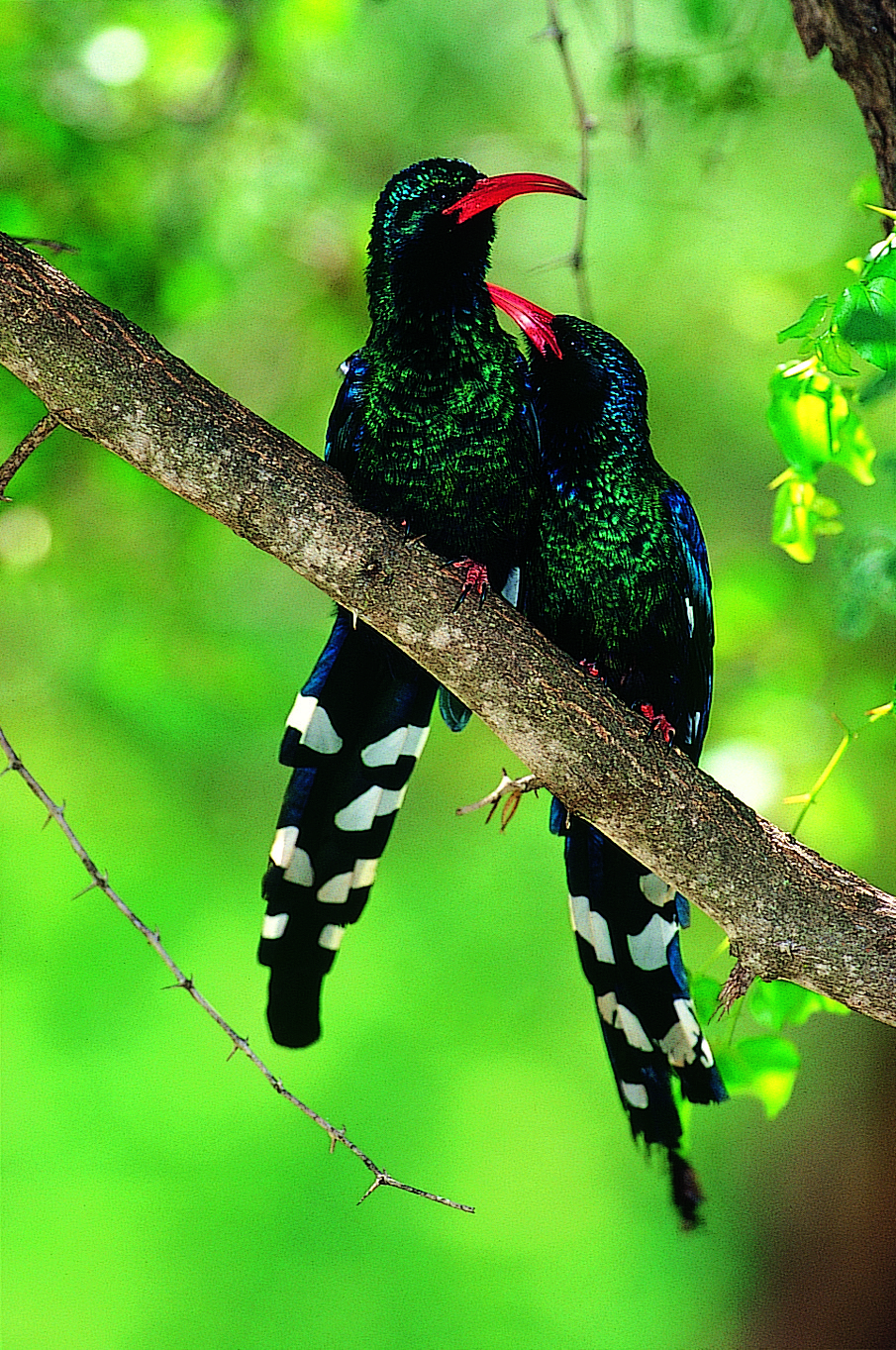
When an outside threat increases, various mammal species will respond by sticking close together. Chimpanzees groom and play with one another more ahead collective territory defense. These kinds of behaviors likely facilitate better communication, reduce anxiety, enhance bonding, and promote a stronger fighting force.
“There is increasing evidence that non-human animals adjust various behaviors to enhance information gathering, incentivize contest participation, reduce anxiety, and minimize collective and individual risk in anticipation of encounters with rival groups,” Arbon said. “What is notable is that these behaviors occur across a diverse range of social species.”
Driving evolution
According to the team, future studies could assess how animals sense threat levels and adjust their preemptive behavior. It is also unclear how much brain power is associated with these preemptive strategies.
“Intergroup conflict could be an important social driver of cognitive evolution,” Radford says. “But this remains an idea that is difficult to test, and teasing apart the relative importance of signals and cues from memories is a challenge.”
