Plague DNA was just found in 4,000-year-old teeth
New evidence shows that a strain of Yersinia pestis was in Britain millennia prior to the Black Death.

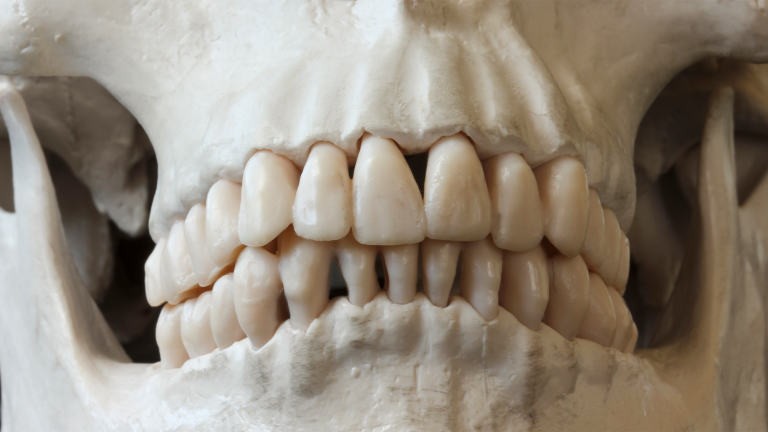
New evidence shows that a strain of Yersinia pestis was in Britain millennia prior to the Black Death.

A spring-like recoil in the arch helps the ankle lift the body from the ground.
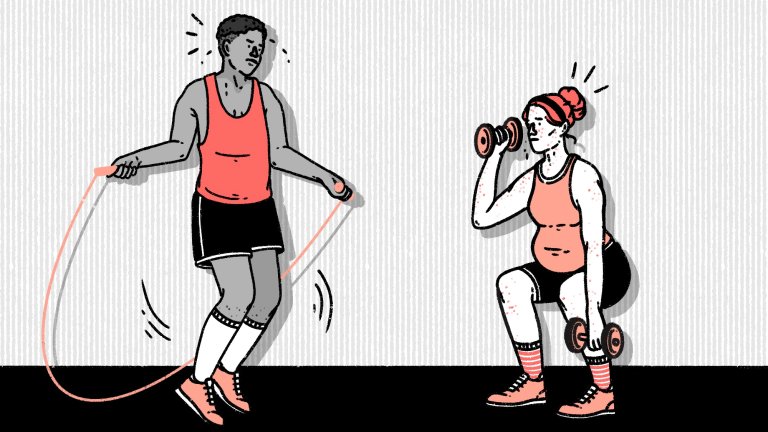

These science tips can help you find and make toys your furry friend will enjoy.

The biggest reservoirs on the Colorado River are disappearing. But the issue of evaporation is not so cut and dry.

Some clouds have weird names and funny features. You should learn them.

Most people live with a mean annual temperature of 55 to 80 degrees Fahrenheit. Billions of people could see 84 degrees or higher by the end of the century.
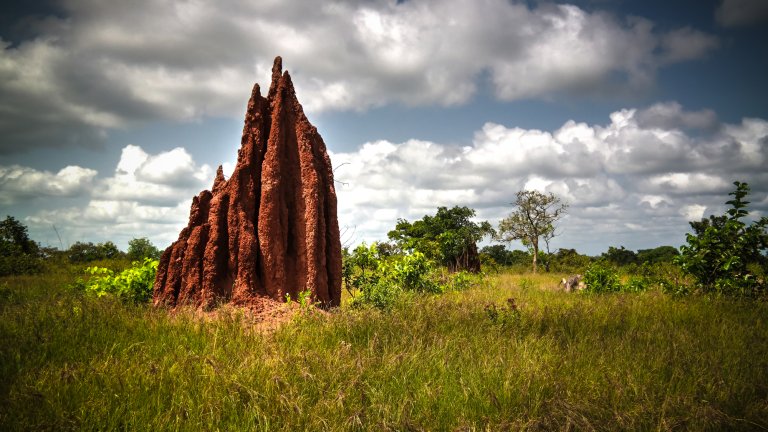
Termites can be a nuisance to humans, but their homes may teach us a thing or two about sustainability.
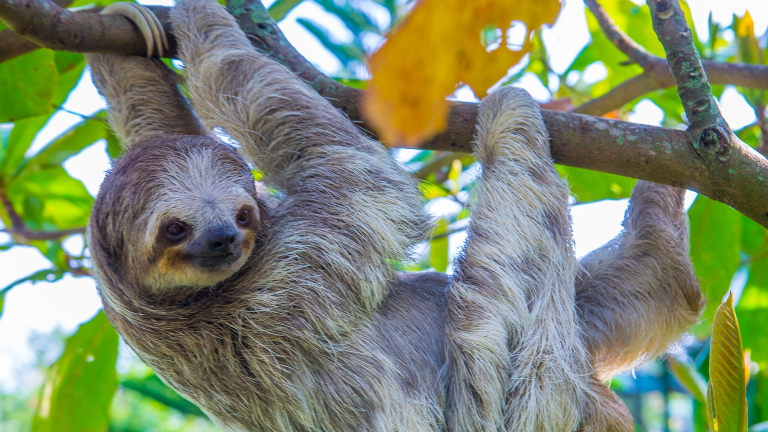
These cryptic critters use lack of activity to their advantage.

The recognizable chasing arrows icon could be doing more harm than good—so the EPA wants to toss it.

Mustang Mach-E, F-150 Lightning and E-Transit customers can start using adapters to plug into superchargers.
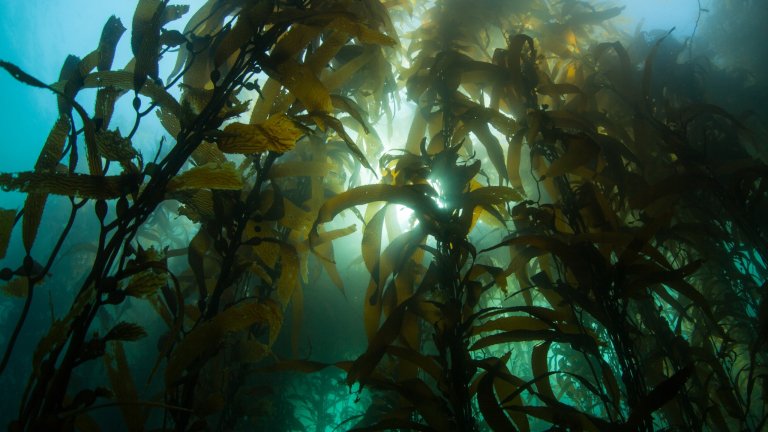
In Washington State, the Jamestown S’Klallam Tribe’s new preservation facility offers a back-up plan for an uncertain future.

This advice should make learning to ride a bike easier for you and your fledgling rider.
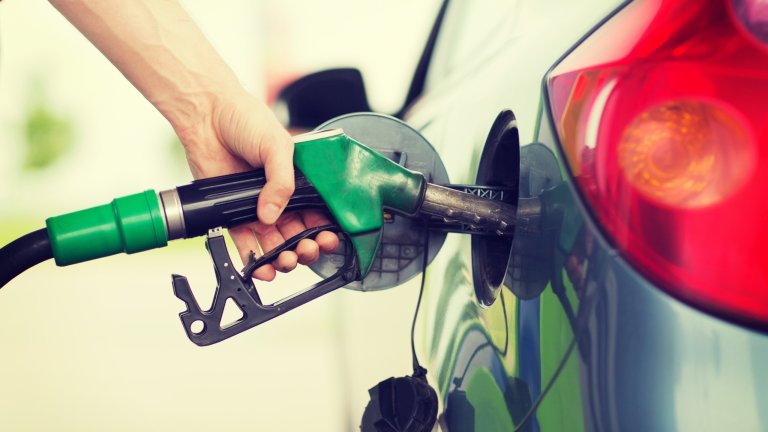
America may have hit 'peak gasoline,' but the fossil fuel’s decline is still too slow to meet climate goals.

You'll never have to look for that elusive "X" again.

How one group in Rio de Janeiro teamed up with researchers to adapt green roof technology for their community.

The FDA previously rebuffed Neuralink's initial application.

An affordable, open-source device spreads the apes' meals across their enclosure to promote a more natural foraging environment.
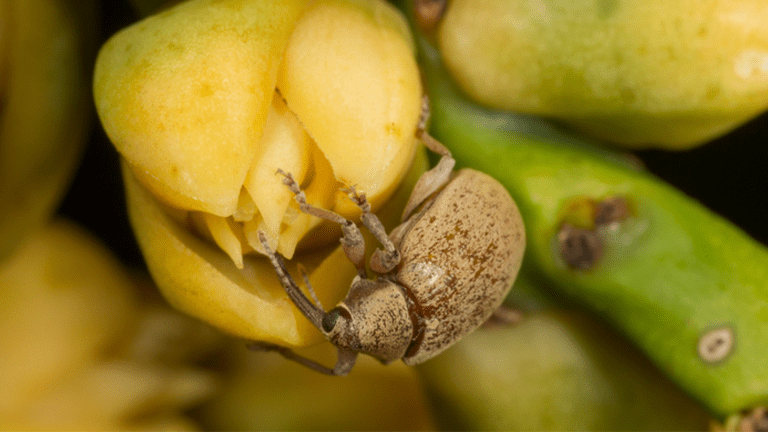
The long-snouted beetle deserves more buzz for their pollination skills.
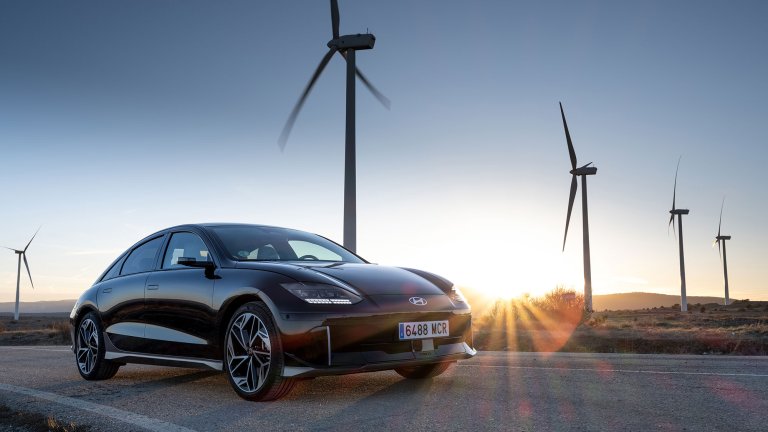
Experts say that across the board, EVs are a win compared to similar gas-powered vehicles.