
Popular Science. Demystifying the worlds of science and technology since 1872.
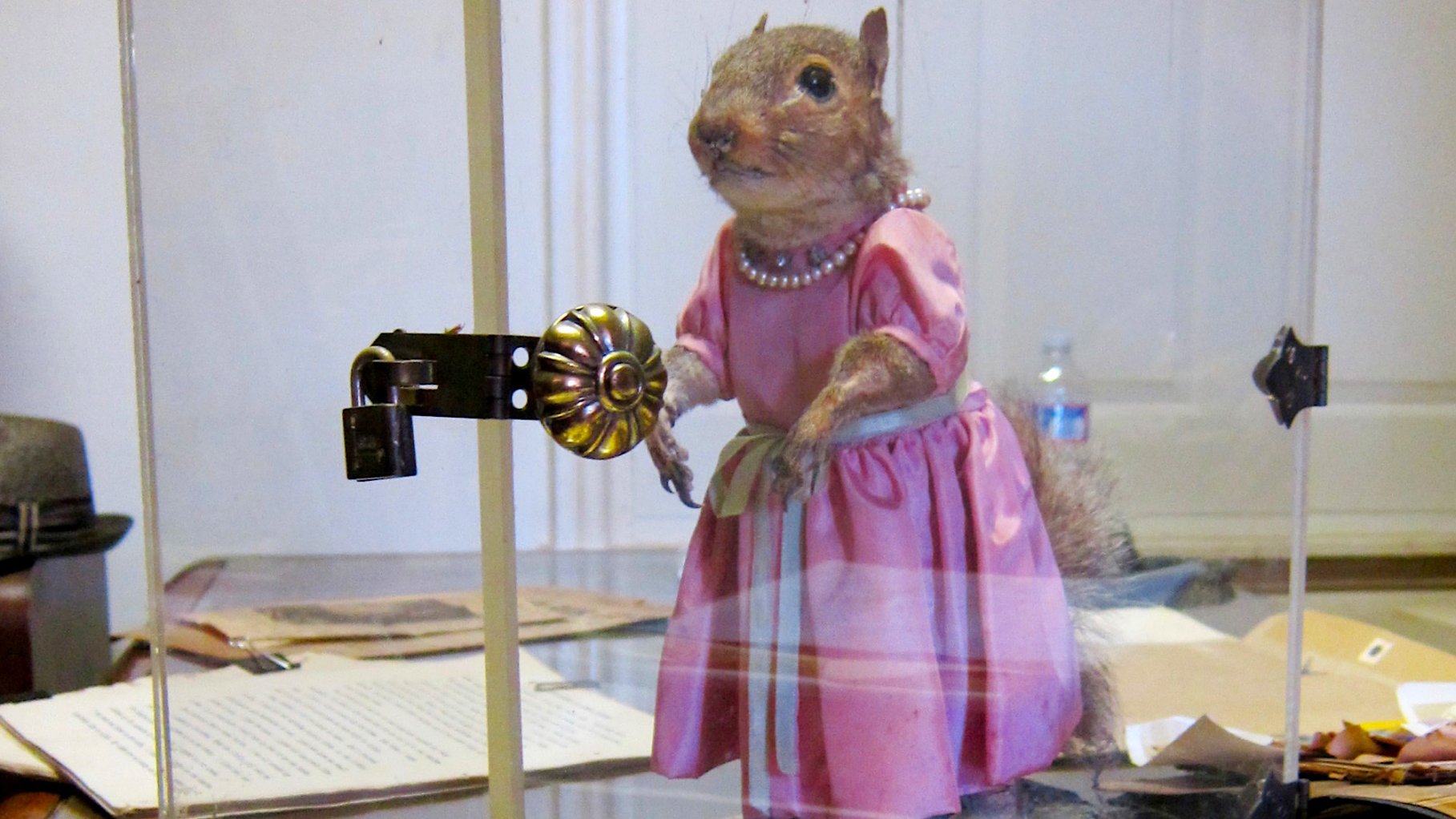
During WWII, a dress-wearing squirrel sold war bonds alongside FDR
US bomber crews even carried photos of Tommy Tucker on missions.



Chicago’s rat hole wasn’t made by a rat
Plus a retirement home for penguins and other weird things we learned this week.

Rachel Feltman
At Popular Science, we report and write dozens of stories every week. And while a lot of the fun facts we stumble across make it into our articles, there are lots of other weird facts that we just keep around the office. So we figured, why not share those with you? Welcome to The Weirdest Thing I Learned This Week.
Latest Articles
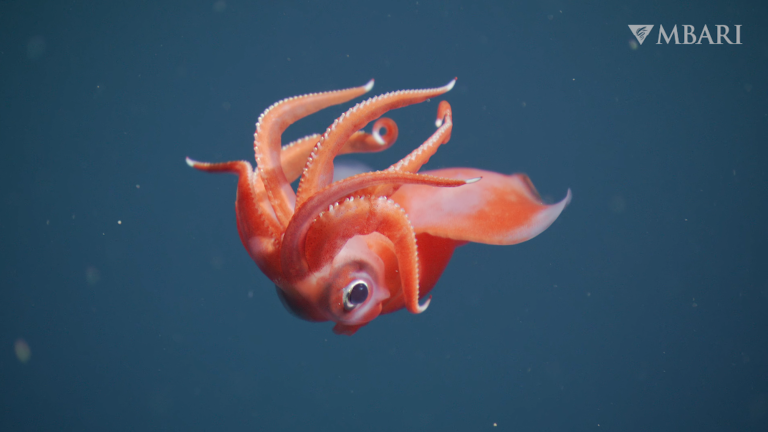
Dive into 2025’s most stunning deep-sea wildlife encounters
Celebrate sea sponges, translucent squid, and more in a new year-end video.
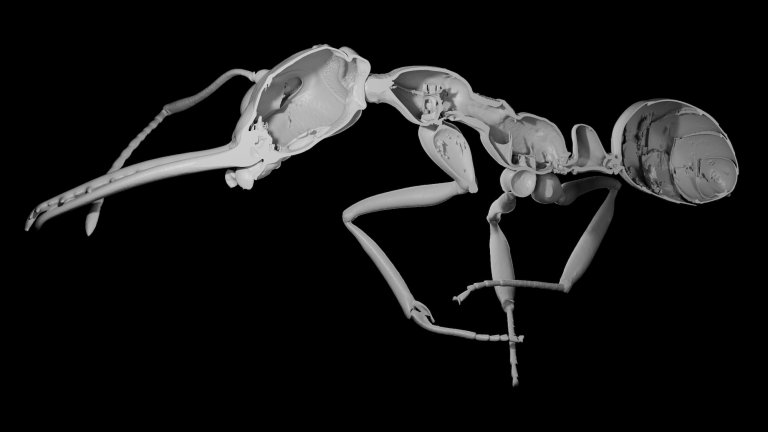
Weak ants conquered Earth using sheer numbers
Ant evolution favored large colonies over individual strength.
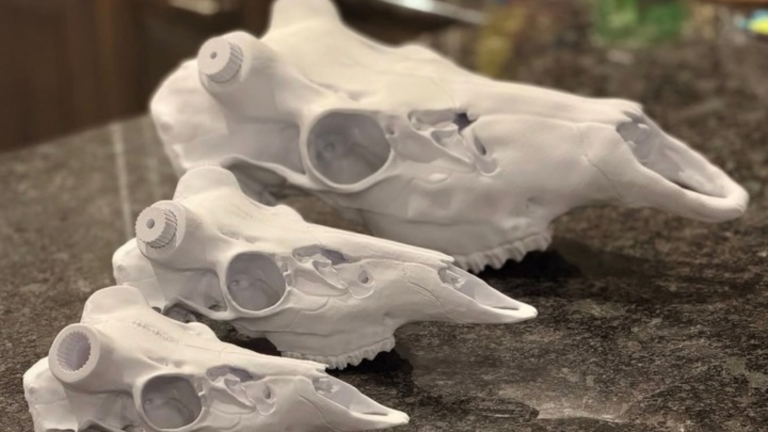
3D printed skulls make mounting antlers less of a bloody mess
The fake skulls can take up to 50 hours to print.
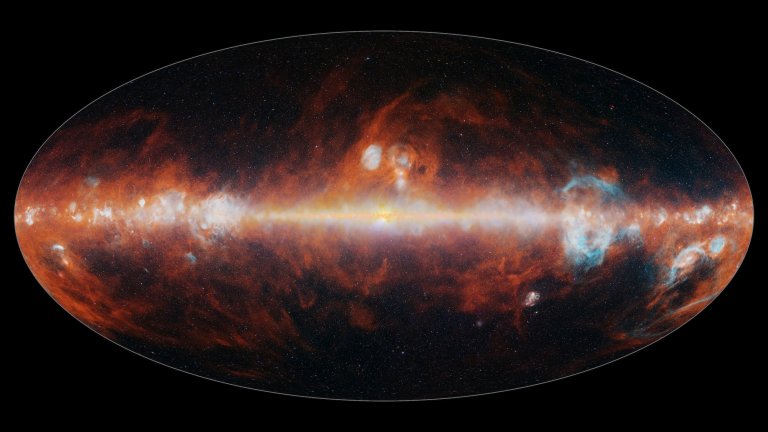
Explore NASA’s most detailed map of the night sky yet
‘We essentially have 102 new maps of the entire sky.’

Diarrhea slowed down Roman soldiers
Intestinal parasites that still plague us today were all over Roman Britain.
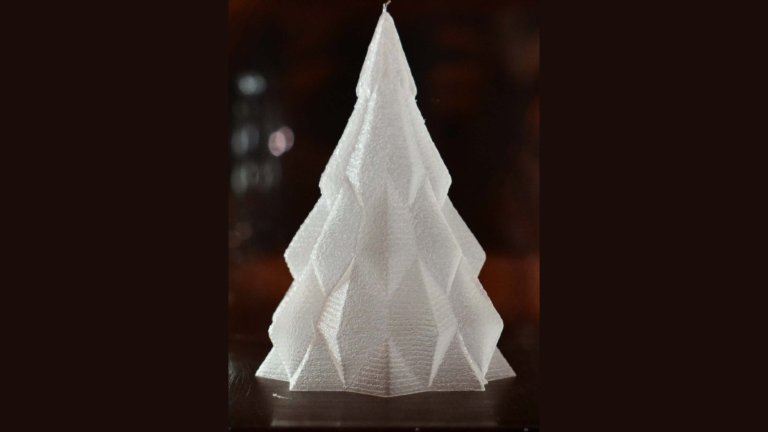
Physicists 3D-printed a Christmas tree made of ice particles
The three-inch-tall tree is more than just a holiday novelty.
Go ahead and swear—it’s good for your health
Cursing can boost your workout, mood, and even confidence.
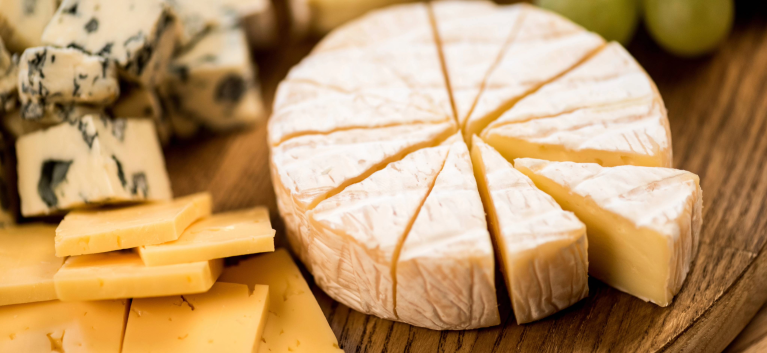
Brie, cheddar, and other high-fat cheeses linked to lower dementia risk
But don’t load up that cheese plate just yet.

Two neutron stars may have formed the first known ‘superkilonova’
The historic explosion was 1.3 billion light-years away from Earth.
Popular Science Cover Art Store
Own a piece of science history.

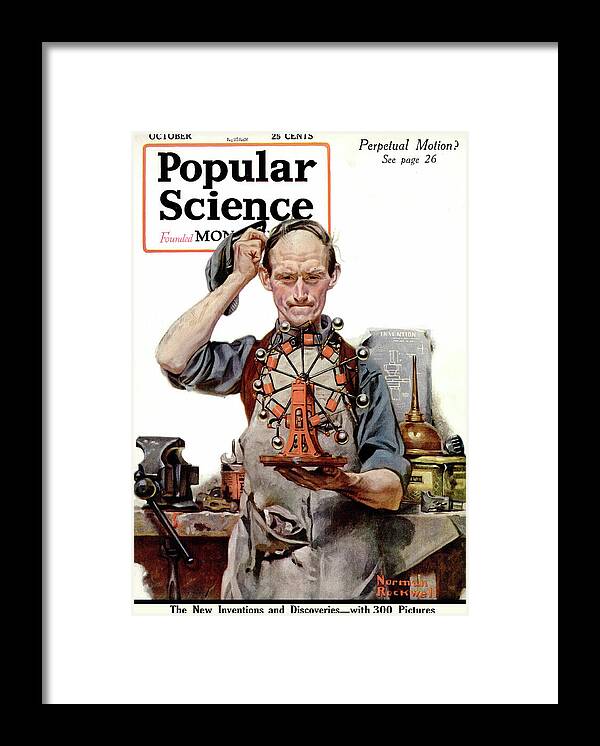
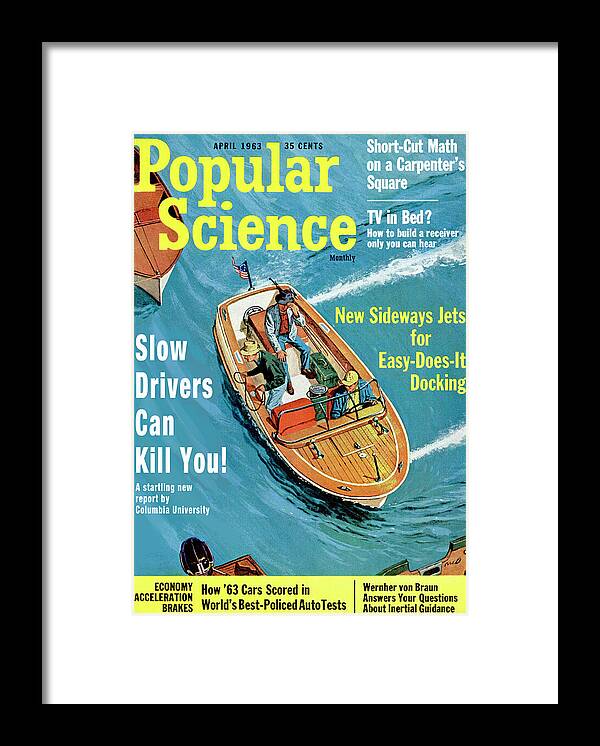
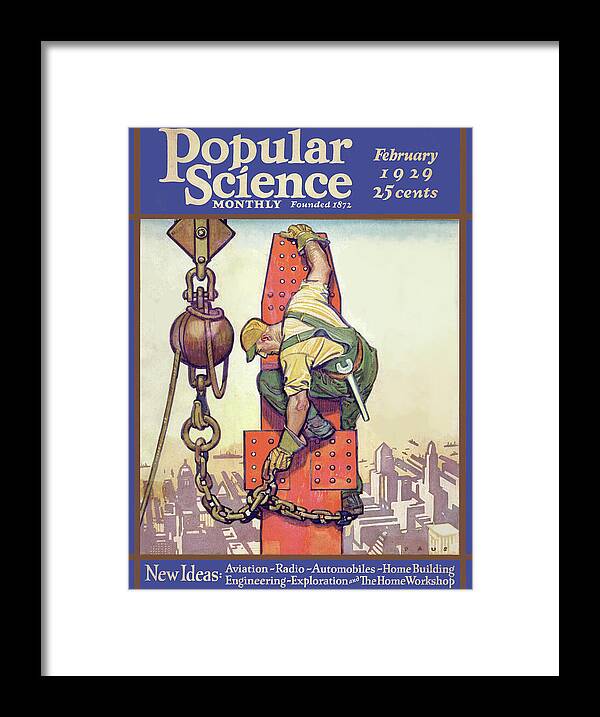

Popular Science has been demystifying the worlds of science and technology since 1872. We explain the inner workings of the phone in your pocket, explore world-changing innovations, and examine everything from the marvels of deep space to the secret lives of staples like bread. We deliver an engaging, approachable, and inclusive look at emerging technologies and scientific advances.
Daily, Popular Science unpacks the science behind the top current new stories, dissects the latest technology and digital trends, and helps readers live smarter, safer, and happier through clever DIY projects.
Meet the team
Our writers and editors


