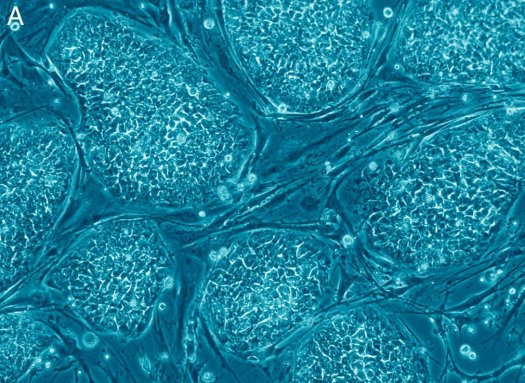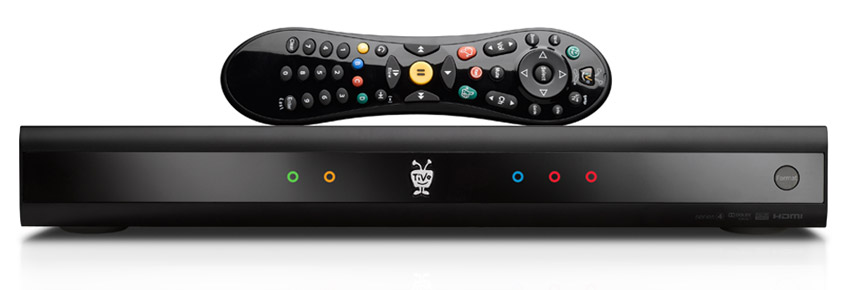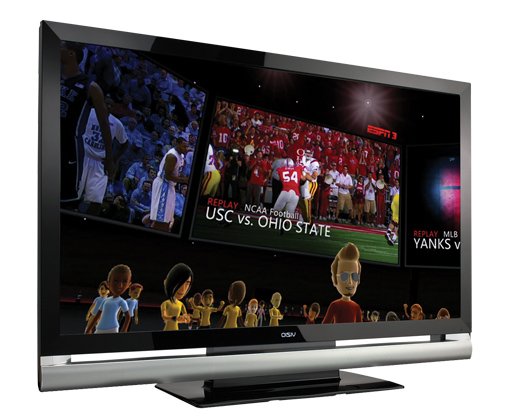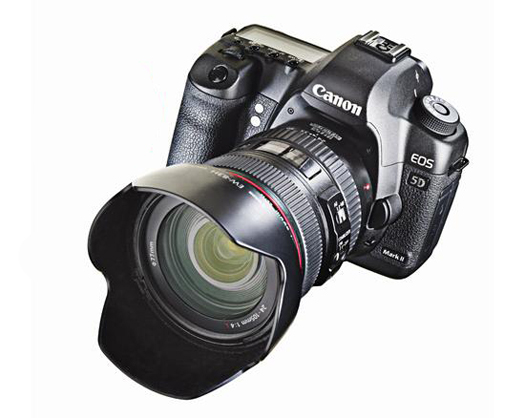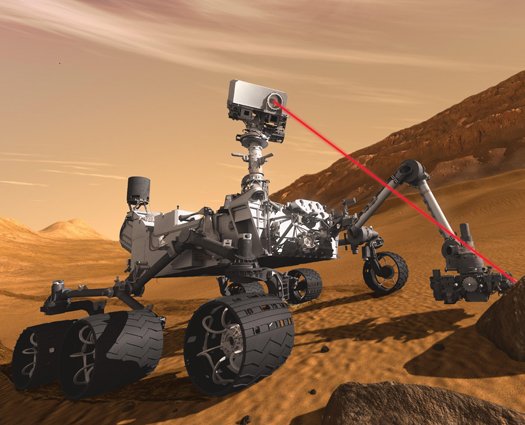
Ever since we inaugurated the Best of What’s New (BOWN) awards 25 years ago, the bar we as editors set for our honorees has remained extremely high. Looking back over the 2,500 BOWN-winning products and breakthroughs shows us a history of innovation over the last 25 years. Within that history are digital cameras, smartphones, drones, private space planes, HIV drugs, genome sequencers, personal robots, space stations, electric cars, wireless internet connections, HDTVs, electronic books, MP3 players, and Mars landings.
Selecting the 25 most-important innovations from this auspicious group is no small task, so we called in reinforcements. We assembled a panel of nine BOWN editors (past and present) to sift through our roster of winners and select those innovations that have had the greatest, most-lasting impact.
With years of collective BOWN experience in the room–an unprecedented reunion–we whittled the list from 2,500 to 25. If the bar to get into BOWN any given year is high, than the bar to be dubbed among the best since 1988 is stupendous. In the end, we all agreed on one thing: We can’t imagine a world without these 25 inventions. Nor would we wish to.
Panelists
Lauren Aaronson
Lauren Aaronson was an editor at Popular Science four years and co-ran Best of What’s New in 2009 and 2010. She’s now an exhibit researcher at the Liberty Science Center (https://www.lsc.org/), where she’s working on an upcoming exhibit about the Rubik’s Cube.
Eric Adams
Eric Adams is a senior editor at Men’s Health. He develops departments and manages the magazine’s technology coverage and edits its annual 25-page Tech Guide in December. He is the editor of TechLust, the brand’s online technology site, which also hosts his blog, Man & Machine. Prior to this, Adams was the aviation, automotive, and military editor at Popular Science, a senior editor at Air & Space/Smithsonian, and an associate editor at Architecture.
Scott Alexander
Scott was a senior editor at Popular Science from 2002 to 2004. During that time he edited What’s New and Best of What’s New. Prior to PopSci he worked at iVillage, Ziff Davis and CNET. After PopSci he freelanced and held staff positions at Playboy and American Photo.
Joe Brown
Joe is the editor-in-chief of technology supersite Gizmodo. Before joining Gizmodo he was an editor at WIRED Magazine. Before that: Popular Science, where he worked on BOWN for three years. Huzzah!
Mike Haney
Mike capped a seven-year career at Popular Science as executive editor, and helped create PopSci‘s digital publishing platform, Mag+, along with Bonnier’s R&D team. After serving as Deputy Director of R&D, he later co-founded the Mag+ company. Today he helps decide where the platform should go next, and helps its more than 600 clients figure out what they should do with it, serving as the editorial voice among the techies. He maintains a soft spot in his heart for Popular Science, where he lingers on the masthead as contributing innovation editor.
Corinne Iozzio
Corinne is a senior associate editor at Popular Science in charge of the What’s New section and Best of What’s New. Before joining PopSci as an associate editor in 2009, she worked as an editor on the consumer-electronics reviews team at PCMag.com. Corinne also oversees other PopSci awards programs, including the CES Products of the Future and the Best of Toy Fair.
Suzanne Kantra
Suzanne is the Founder and editor-in-chief of Techlicious, a consumer technology media company. Prior to launching Techlicious in June 2009, Suzanne was the technology editor for Popular Science and Martha Stewart Living and served as the host of “Living with Technology” on Martha Stewart Living Radio. Suzanne is also a regular contributor to Better Homes and Gardens, Martha Stewart Living Radio, N_BCNews.com/Today.com_ and USAToday.com.
Bill Phillips
Bill is the Editor of MensHealth.com and the executive editor of Men’s Health magazine. He was also the Editor-in-Chief of Men’s Health Living, a popular but ill-fated (thanks, Great Recession) men’s shelter magazine published in 2007 and 2008. Before joining Men’s Health in 2003, Phillips was the executive editor of Popular Science, where he oversaw and edited Best of What’s New between 1999 and 2002.
Dawn Stover
Dawn is a freelance science and environmental writer based in the Pacific Northwest. She is a contributing editor at Popular Science, where she was on staff from 1986 to 2006—first as an associate editor and later as a senior editor, articles editor, and science editor. She has also worked at Harper’s and Science Digest magazines, and is currently a contributing editor at the Bulletin of the Atomic Scientists. Her work has appeared in a variety of other publications including The New York Times, Scientific American, New Scientist, Conservation, Outside, and Backpacker.