audio

Tiny Thermoelectric Loudspeaker Produces Audio By Tweaking Temperature


A standard home audio speaker converts electrical signals into sound pulses in the air (via a somewhat cumbersome cone). Those sound waves in turn cause tiny variations in air temperature, as waves disrupt surrounding air. So, scientists reasoned, why not create sound waves through those temperature fluctuations themselves?

In 2008 researchers built a loudspeaker from carbon nanotubes that creates sound from this thermoacoustic effect. Now Finnish researchers have created a far more simple thermoacoustic device using tiny aluminum wires suspended over a substrate, opening thermoacoustics to a far broader range of applications.

[ Read Full Story ]

Smoke/Laser Microphone Captures "Pure Sound" With No Interference


Technological advances have brought audio recording a long way over the past several decades, but, as with so many things, microphone recording is limited by the very technology that has pushed it forward. In this particular case, that limit is the diaphragm that converts sound into electrical signals by measuring vibrations made by incoming sound waves. Because each diaphragm has its own characteristics, all microphones are not created equal; and because the sound waves are converted by these diaphragms, there is always some degree of mechanical interference with the sound.

[ Read Full Story ]

Fungus-Infected Violin Beats Stradivarius in Listening Test


Violins made by the Italian master craftsman Antonio Stradivarius are worth millions of dollars for their unparalleled sound. And that's great, for the handful of musicians who can afford these centuries-old instruments. This month, a new violin made from wood treated with a fungus actually trumped a Stradivarius in a blind listening test, offering hope for violinists who want high tonal quality at an affordable price.

[ Read Full Story ]

The Best Way To Keep Vinyl Records Alive? Make Them Yourself


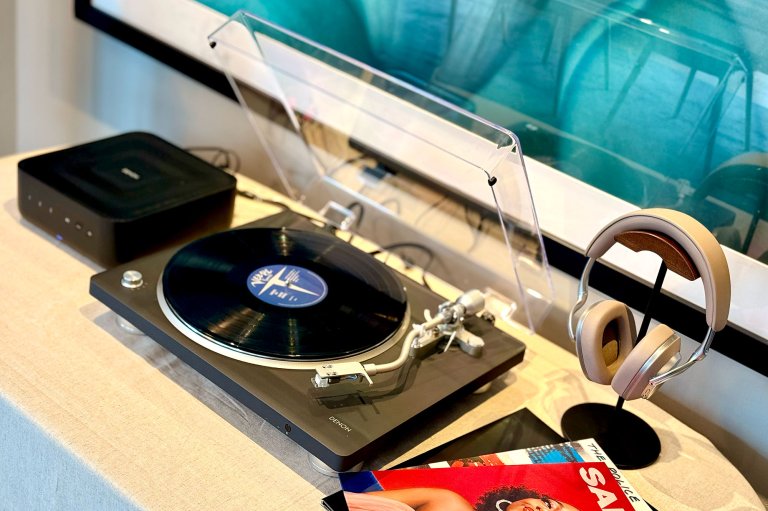
ProTools? Bah! Let's make some vinyl! As part of Jerszy Seymoour's Coalition of Amateurs exhibition at Luxembourg's modern-art museum, Mudam, artist Yuri Suzuki created records from scratch in an afternoon.

[ Read Full Story ]
READ MORE ABOUT > , , , ,

An Algorithm That Synthesizes the Soothing Gurgles of Virtual Water

Harmonic modeling of fluids creates liquid you actually want to get in your computer

The world certainly isn't simple, and trying to express real-world dynamics in the form of an equation has long been a challenge. Realistic computer-simulated sound has been particularly tough to get right, and some of the hardest dynamics to recreate have been the movements and sound of water.

Scientists at Cornell have now announced a system that can look at a 3-D motion rendering of water--waves, drops, anything--and algorithmically create the dribbles, gurgles and plops it would be sounding, were it in fact real.

[ Read Full Story ]
How It Works

The Most Advanced Mixing Board

Hollywood sound engineers refine and combine hundreds of individual recordings on advanced mixing boards. Here’s a close look at their tool of choice

Consider a scene from a hypothetical Hollywood thriller: Our heroine, filled with dread and whispering into her cellphone, walks slowly down a dark hallway toward a closed door. The sounds that make this scene come alive—-her voice, her footsteps, the creaking floorboards, the background music—-began as a bunch of prerecorded digital files on a hard drive. It took a sound engineer’s touch-—and a machine like the Euphonix System 5—-to blend them into the final, seamless soundtrack.

[ Read Full Story ]
Sound Notions

Lick Like You Mean It

The science behind bitter, sweet, and chemically induced tastes

How well do you know your tongue?

Linda Bartoshuk, Ph.D, the director of Human Research at the University of Florida's Center for Smell and Taste, says the fleshy flap inside your mouth is a central site for chemical reactions involving taste and smell -- and that the traditional tongue map is a lie.

[ Read Full Story ]
Tested

Hi-Fi Fix for Laptops

New technologies squeeze better sound from little speakers

Now you can rock out even with puny laptop speakers. Normally when you try to pump up the bass using the equalizer settings in iTunes or other software, you inadvertently distort your music's sound by boosting frequencies that small speakers can't reproduce. New software and chips promise crisper sound and fuller bass, using tricks such as toning down the extra-low frequencies that your speakers can't handle. We tested the tech by cranking the volume on CDs, DVDs and MP3s on three laptops.

[ Read Full Story ]

Headphones Tailored to Your Hearing

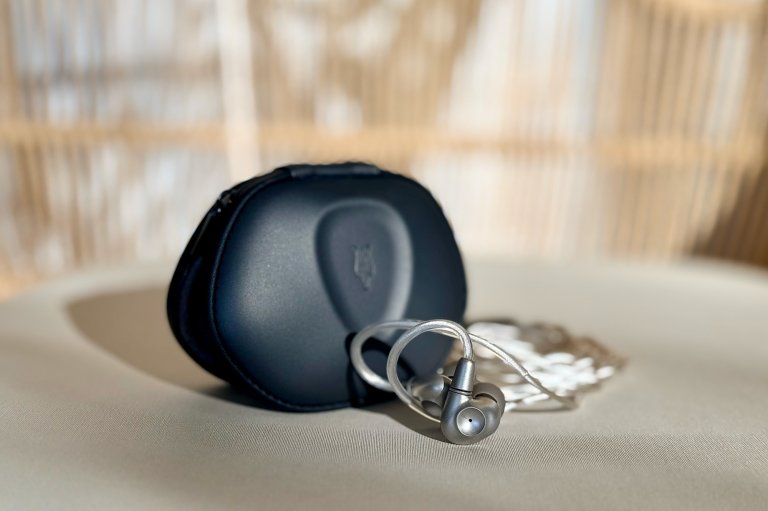
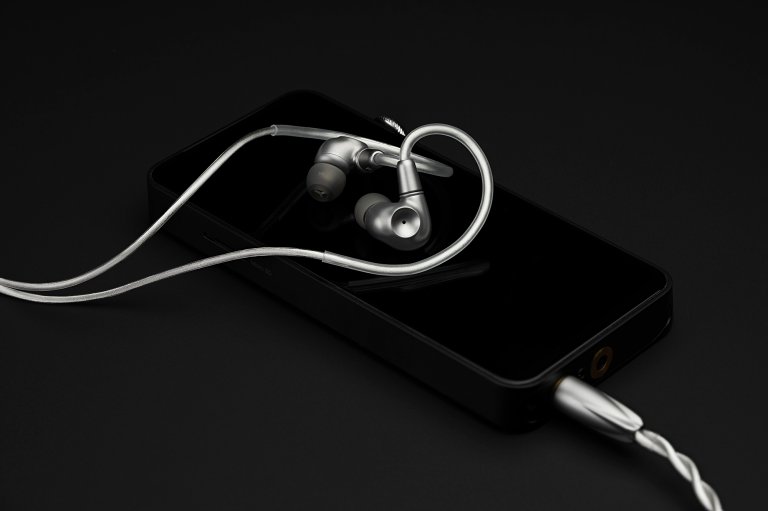
The first in-ear buds are able to let you tweak the acoustics to suit your canals—or your taste

Everyone’s ear canals have unique shapes that affect hearing; some of us pick up high frequencies better, while others are attuned to bass.[ Read Full Story ]

Weaponizing MP3s

The latest anti-piracy technology is a blast

If you're looking to attack a pirate ship, forget cutlasses and cannon balls. Go full speed ahead with an MP3 sonic blast. At least that's the latest method being used in sea warfare, as highlighted last week when a sonic blast was used to scare away Somali pirates from attacking a chemical tanker close to the Horn of Africa.

[ Read Full Story ]
READ MORE ABOUT > , , ,
Page 1 of 2 12next ›last »


Download Our iPhone App

Stay up to date on the latest news of the future of science and technology from your iPhone with full articles, images and offline viewing


Follow Us On Twitter

Featuring every article from the magazine and website, plus links from around the Web. Also see our PopSci DIY feed


Become a Fan On Facebook

Share links with friends, comment on stories and more


December 2009: Best of What's New

In our December issue, Popular Science names the 100 best innovations of the year: bombproof wallpaper, self-parking cars, the fastest helicopter, and 97 more. Plus inventor profiles and videos.

Check out the best of what's new here.

Popular Science Photo Pool


Share your photos in the Pop Sci pool at www.flickr.com!
tags_sprite.png
POP_embeddedForm_cover_May09.jpg