
We may earn revenue from the products available on this page and participate in affiliate programs. Learn more ›
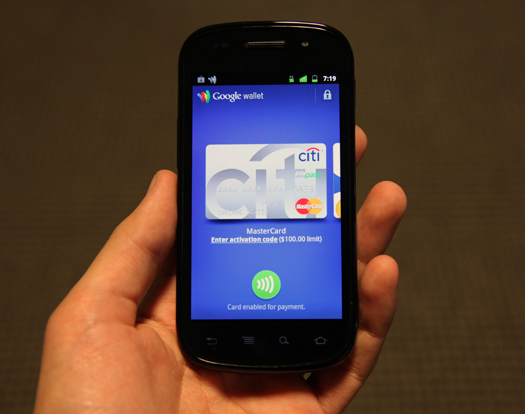
In 2003, MasterCard introduced PayPass, a system in which a credit card outfitted with a near-field communication (NFC) chip could be passed within a couple inches of a reader to pay without swiping. Google Wallet, a new app for Android smartphones, takes NFC a step further, allowing users to make purchases with a wave of a smartphone. Shoppers can authorize the app to charge a preexisting Citi MasterCard card or deduct money from a prepaid debit card. Eventually, upgraded registers at participating stores, including Macy’s and Walgreens, will allow customers to redeem electronic coupons, “swipe” store loyalty and gift cards, and save electronic receipts on their handsets at the end of a transaction.
At present, just a handful of phones, including the Sprint Nexus S 4G, have the chips necessary to run Wallet. The hardware protects your virtual cash with two layers of security. An NFC chip built into the rear battery door works only when the screen is on, which means a passerby can’t steal payment info when your phone is sitting idle in your pocket. A second secure chip stores all your authorized credit-card information. You must be logged into Wallet with a unique PIN to allow any seller access to the data on the secure chip, a process that times out at an interval you set.
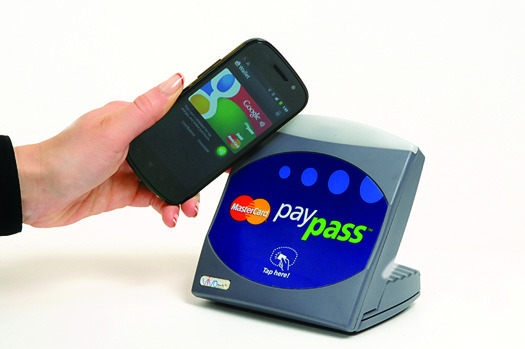
How Mobile Payments Work
An NFC chip inside the phone initiates a connection with a receiver—in this case, a cash register—by way of a four-inch-wide magnetic current. The cash register transmits the total amount due to a secure payment chip inside your phone. That chip sends a request to the bank through the phone’s antenna, and the bank then authorizes the transaction.
