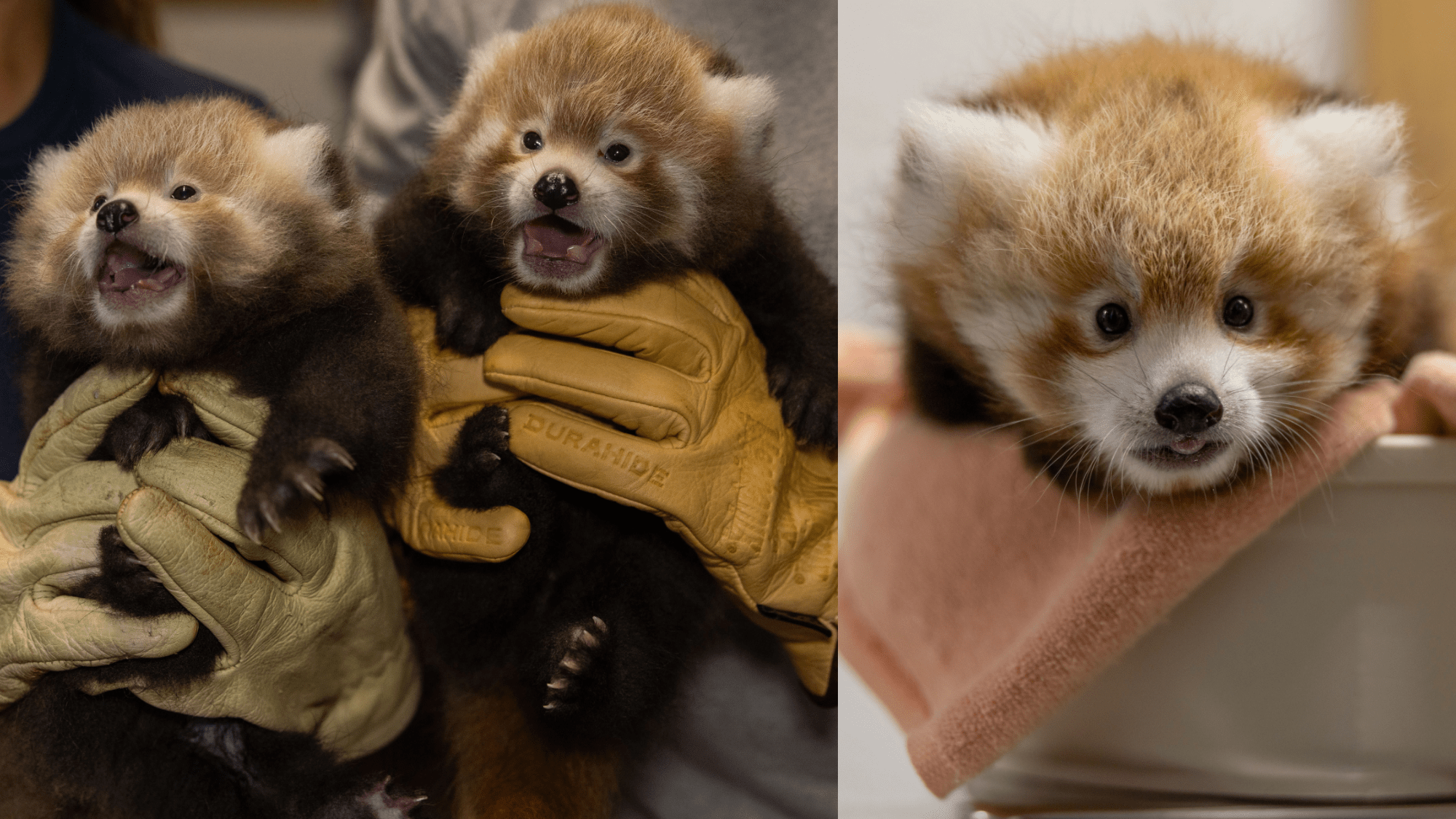
On this International Red Panda Day, the team at the Smithsonian’s National Zoo in Washington D.C. really has something to celebrate. Well, technically three somethings.
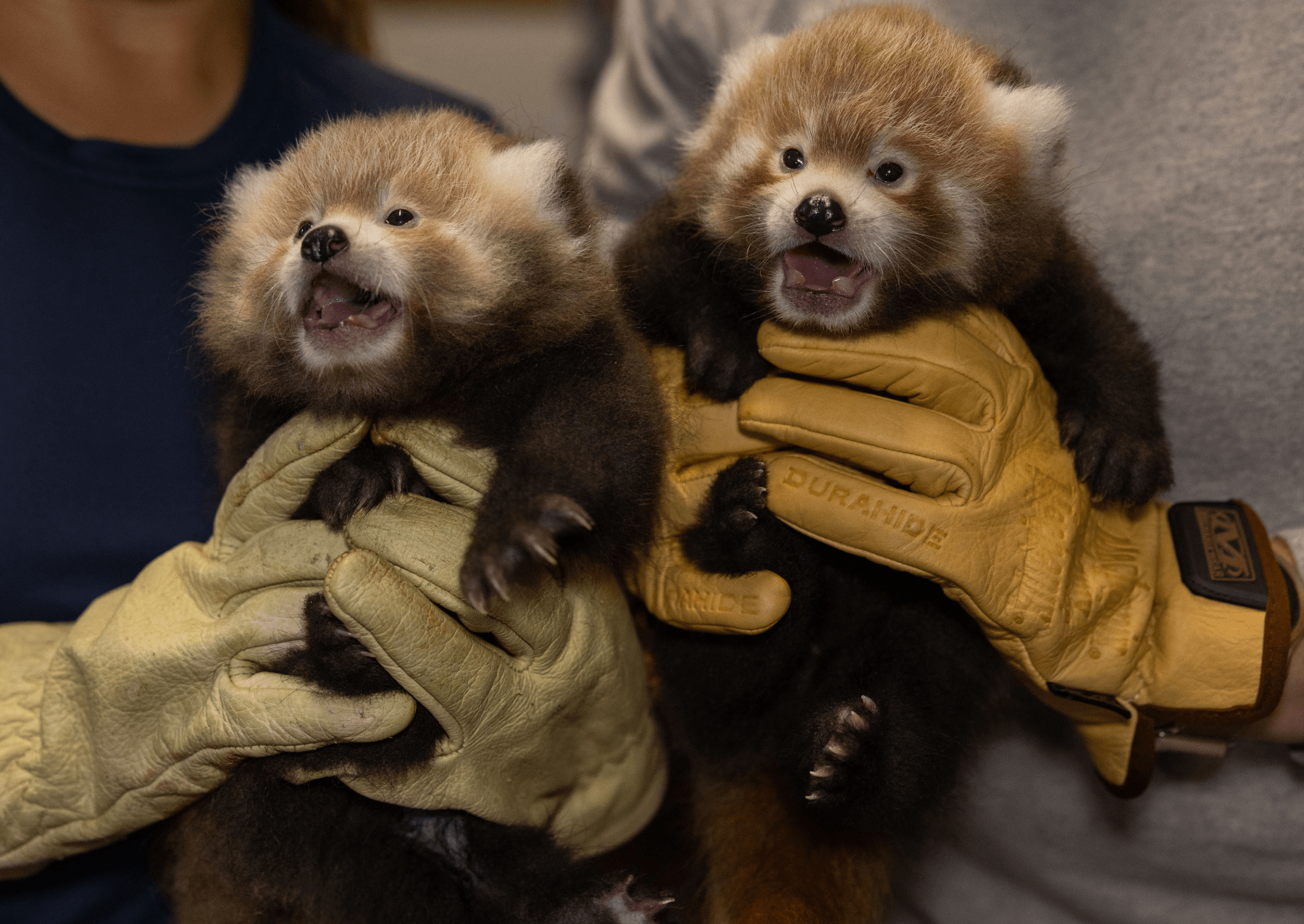
Three red panda cubs were born earlier this summer at the zoo’s Front Royal, Virginia, conservation campus. On May 29, a 3-year-old female named Sequoia and 12-year-old male named Mow Mow welcomed one female and one male cub. On June 11, a 3-year-old female Keahi gave birth to a single female cub, sired by a 7-year-old male named Rocket.
“The new cubs are ensuring the population overall. Honestly, we can’t conserve the species and continue to breed them if we don’t have the animals,” Jessica Kordell, the assistant curator of carnivores at the Front Royal conservation campus tells Popular Science. “They are ensuring that their parents’ genetic material basically gets passed on to the next generation.”
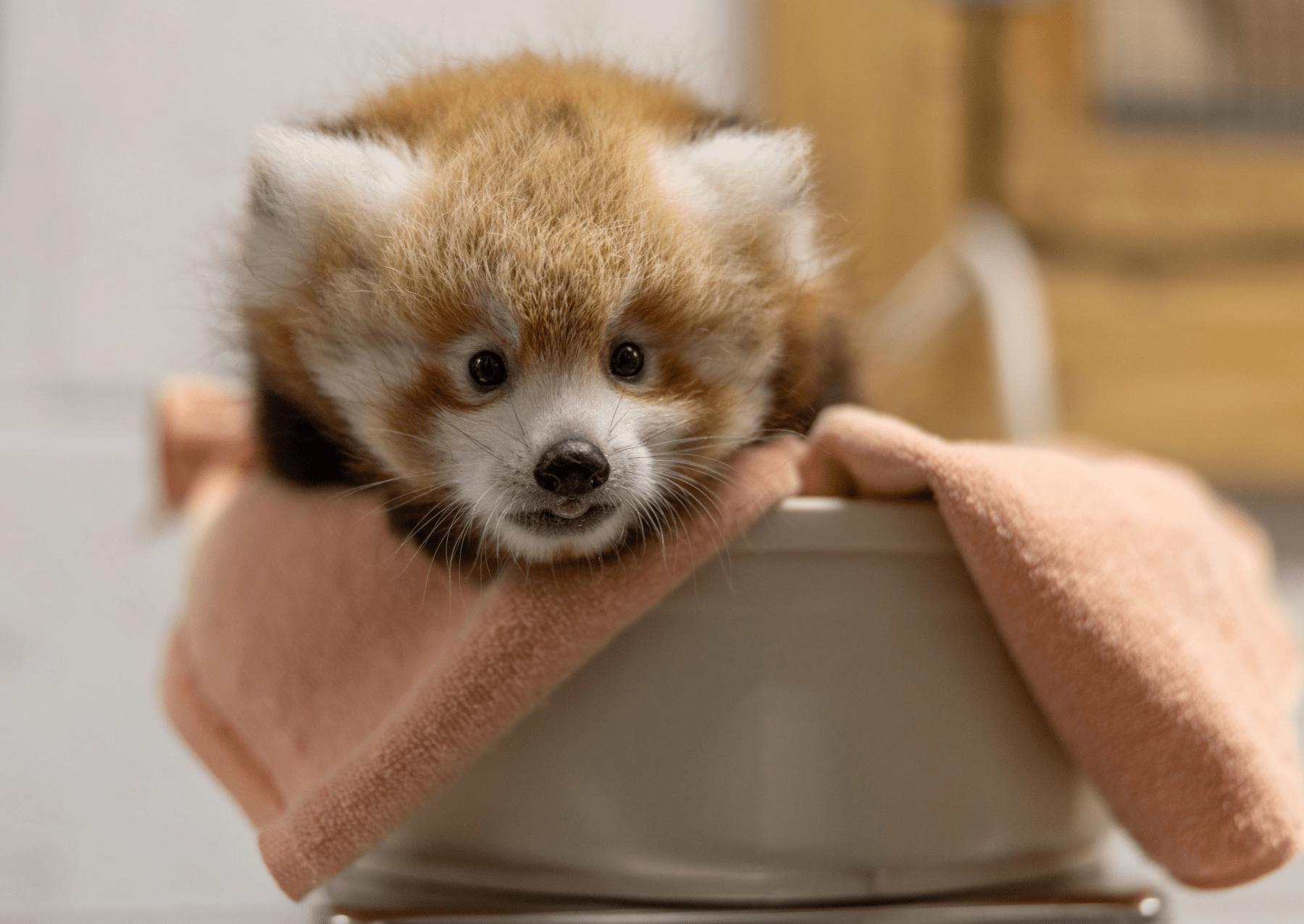
The cubs have spent the summer safely tucked away in their nest boxes with their parents, eating milk, sleeping, and adjusting to life on the outside. According to Kordell, all three cubs are doing well. The staff has begun placing some bamboo in their nest boxes, but they have not seen them eat it just yet. The cubs primarily depend on their mothers (called dams) for everything, but they are becoming more mobile. And their individual temperaments are starting to show.
“The singleton seems to leave [the nest boxes] more and more. Maybe because she wants to be with mom or maybe she’s a bit more precocious (likely some of both). She’s definitely feisty and huff-quacks at us every chance she gets,” Kordell says. “The twins are a bit more quiet and shy. They have each other and they rely on that, and they aren’t found apart often. They do spend time playing and appear to love to cuddle with each other. “
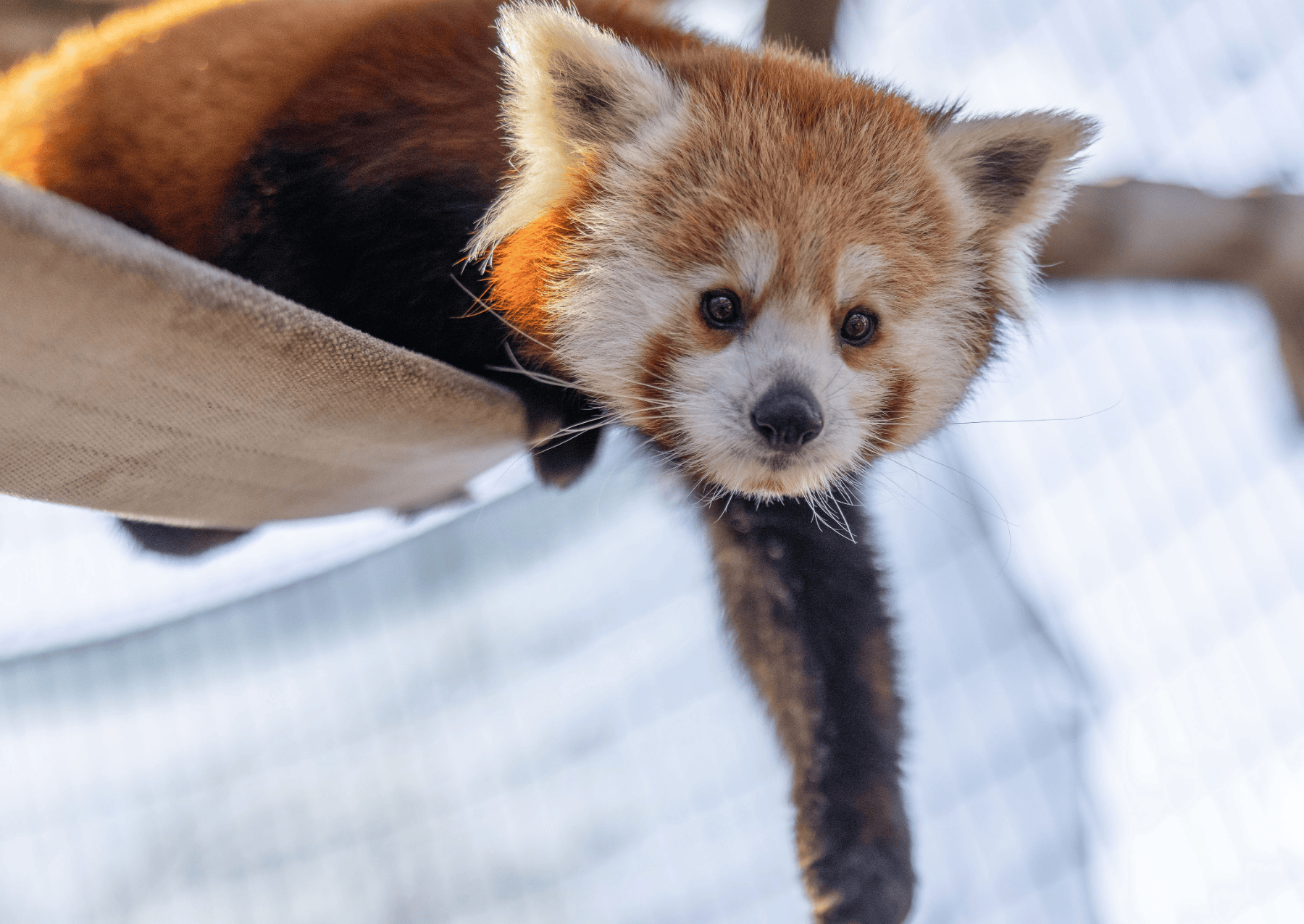
“Some of the fun physical characteristics that I like about red pandas is one that I think that people don’t know,” Kordell says. “They are red because they actually have a lichen that grows in the trees that is that red color, and so they blend in really well with that. And then that black belly just kind of fades them into the shadows and disguises them.”
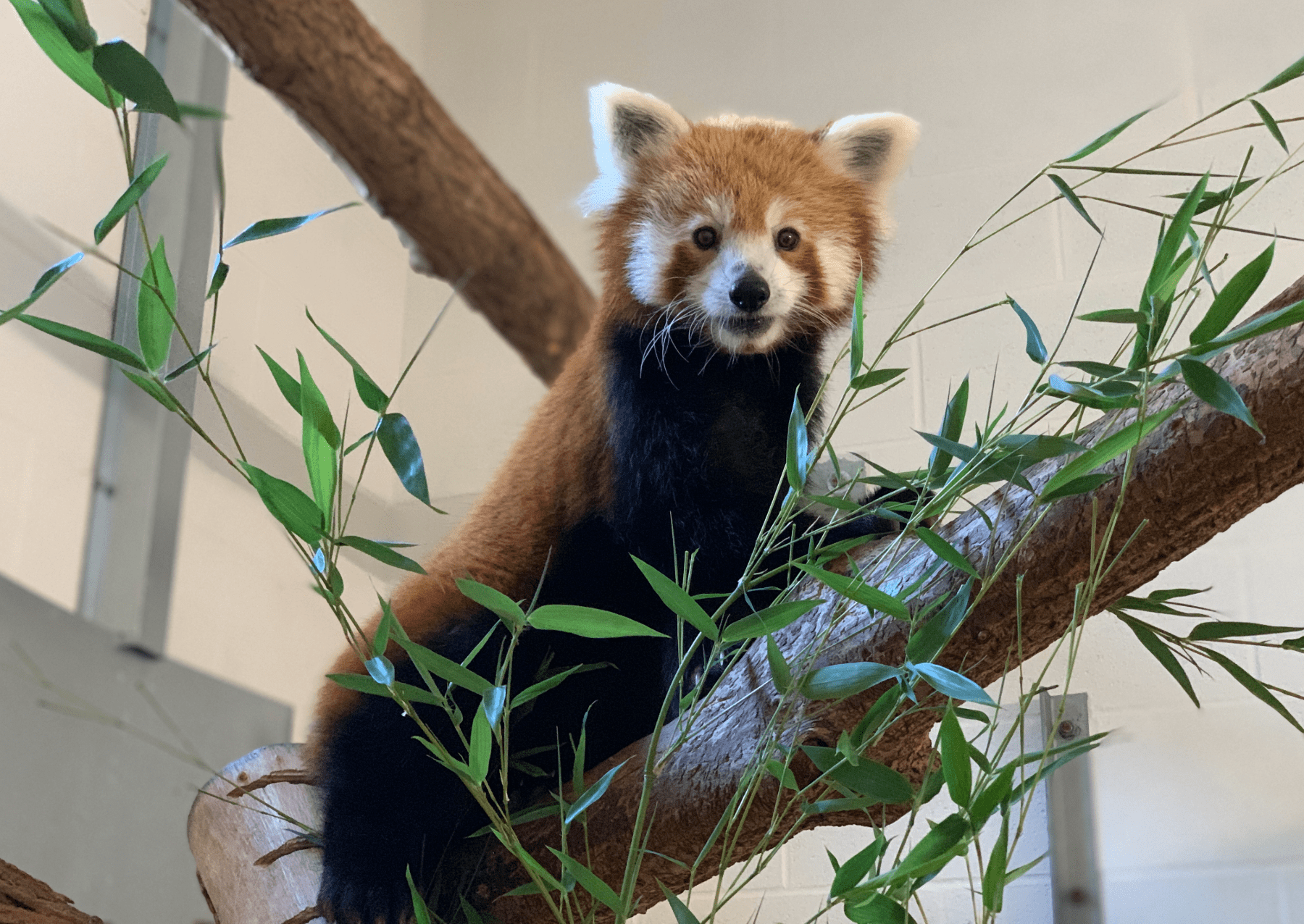
Red pandas are endangered mammals found in the treetops of Nepal, India, Bhutan, Myanmar (Burma), and China and are most closely related to raccoons. They primarily eat bamboo leaves–and a lot of them. They can digest only about 24 percent of the bamboo they eat, so they must eat 20 to 30 percent of their body weight each day. That comes out to about two to four pounds of bamboo shoots and leaves. Red pandas will also eat grass and fruit and occasionally an egg, insect, small animal, or bird.
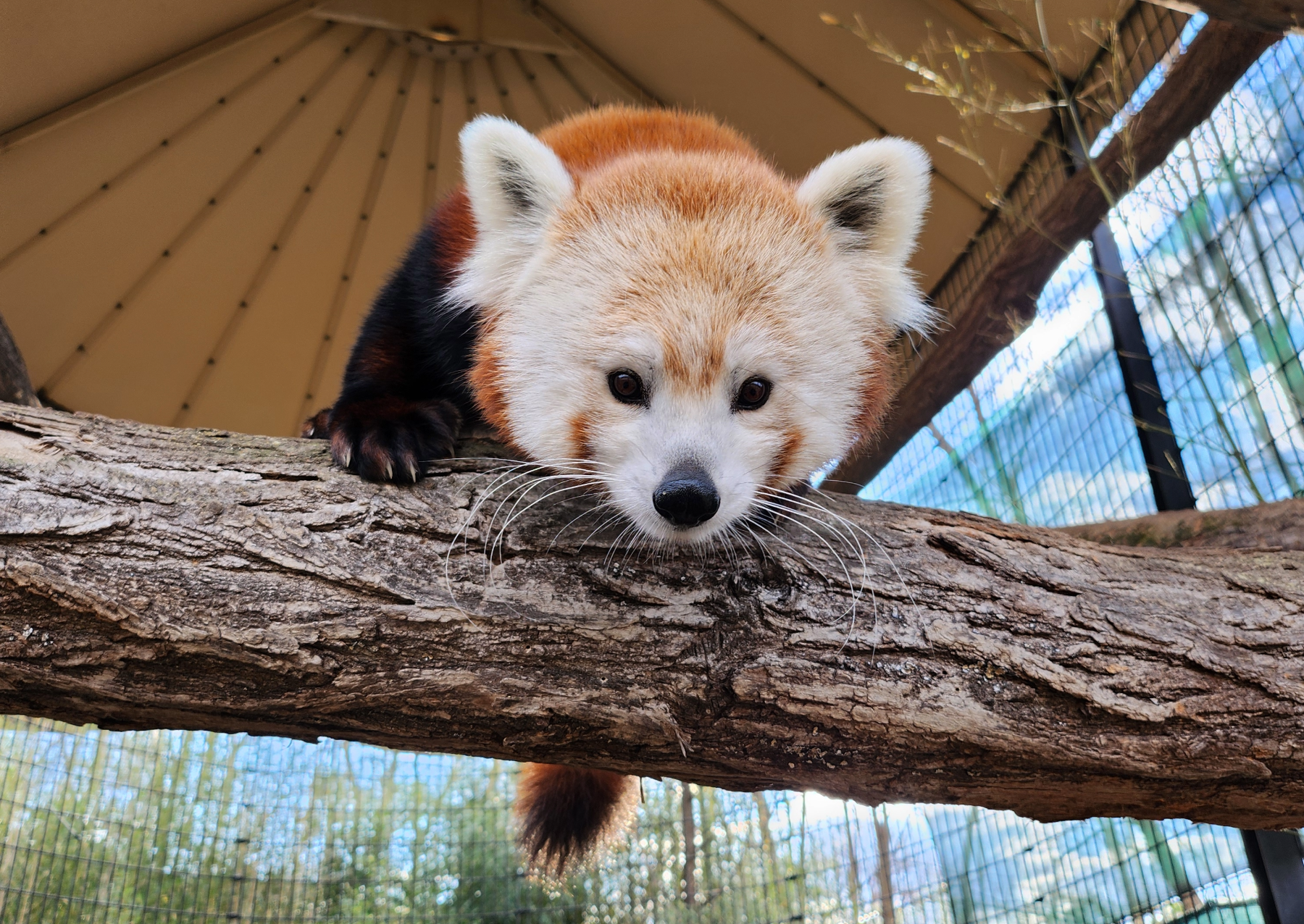
Cubs usually come in twos, but a litter can have as few as one or as many as four babies. The cubs will typically come out of their nest at 3months old, but stay with their mother until the next breeding season begins.
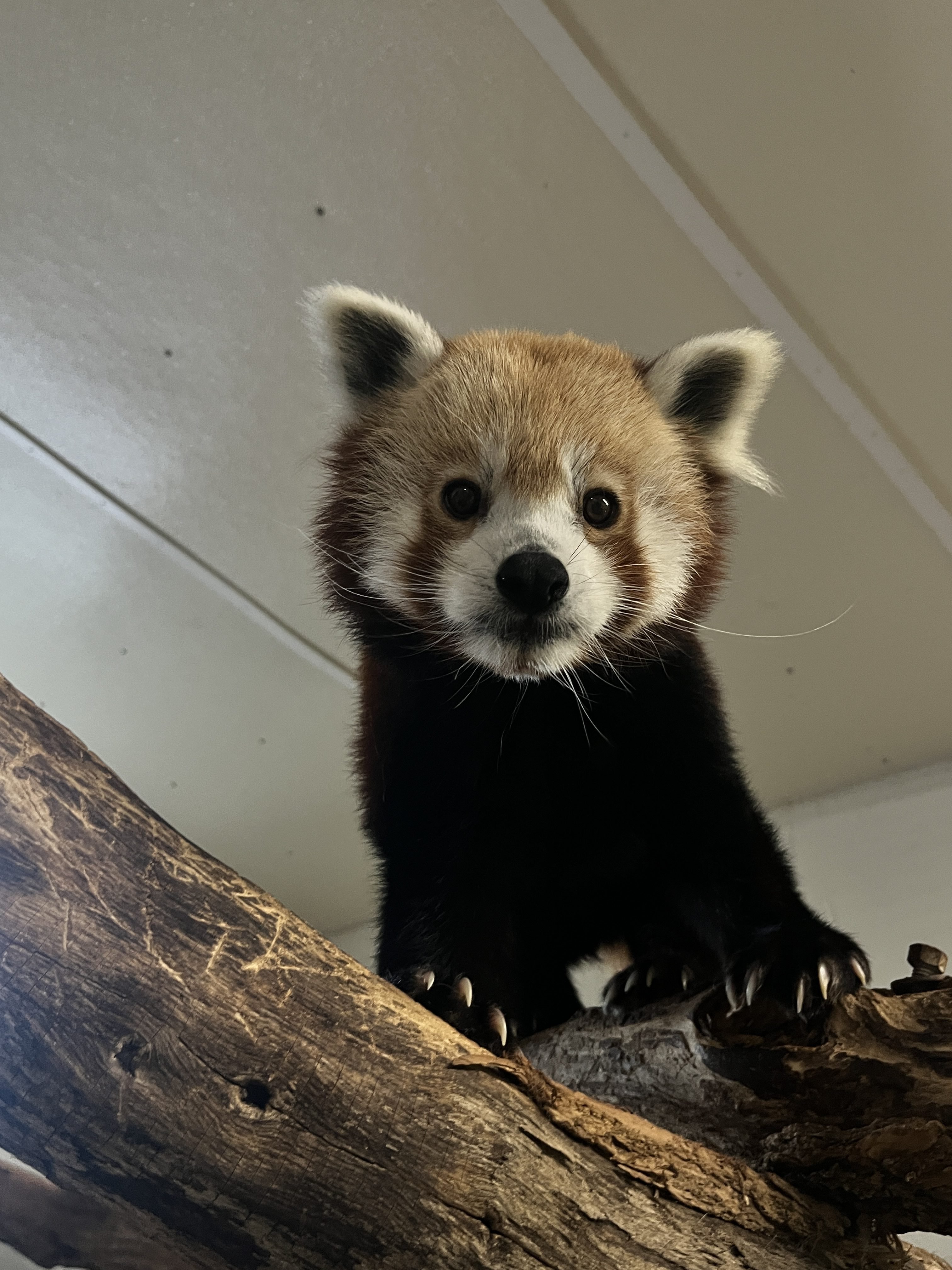
Less than 10,000 red pandas remain in the wild and habitat loss is their primary threat. In Nepal, their habitat has already fragmented into 400 small forest patches.
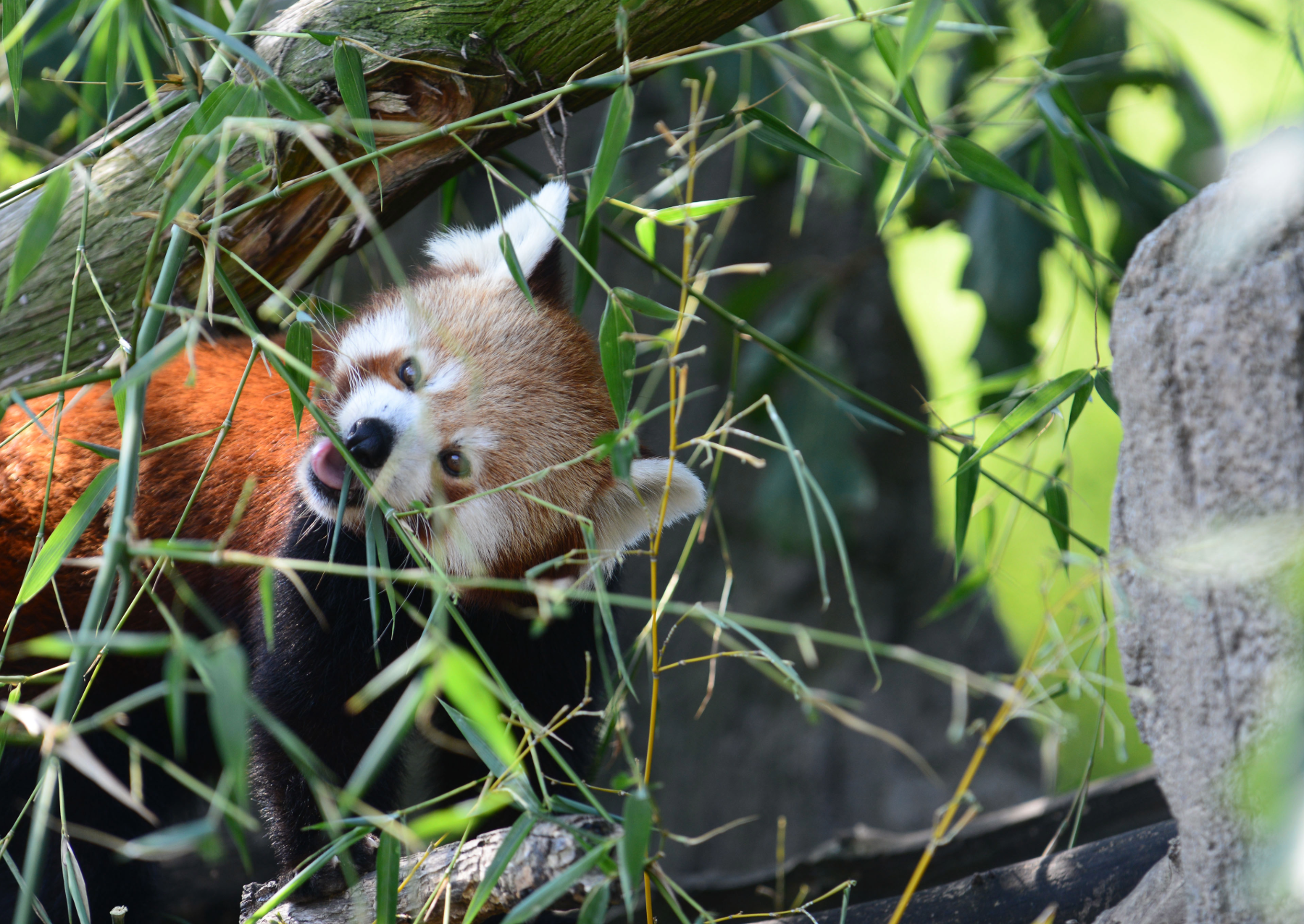
During cold mountain weather, red pandas go into “torpor.” They will wrap their fluffy tails around themselves and go into a deep sleep. This reduces their metabolic demands, while lowering their core temperature and respiration rate.
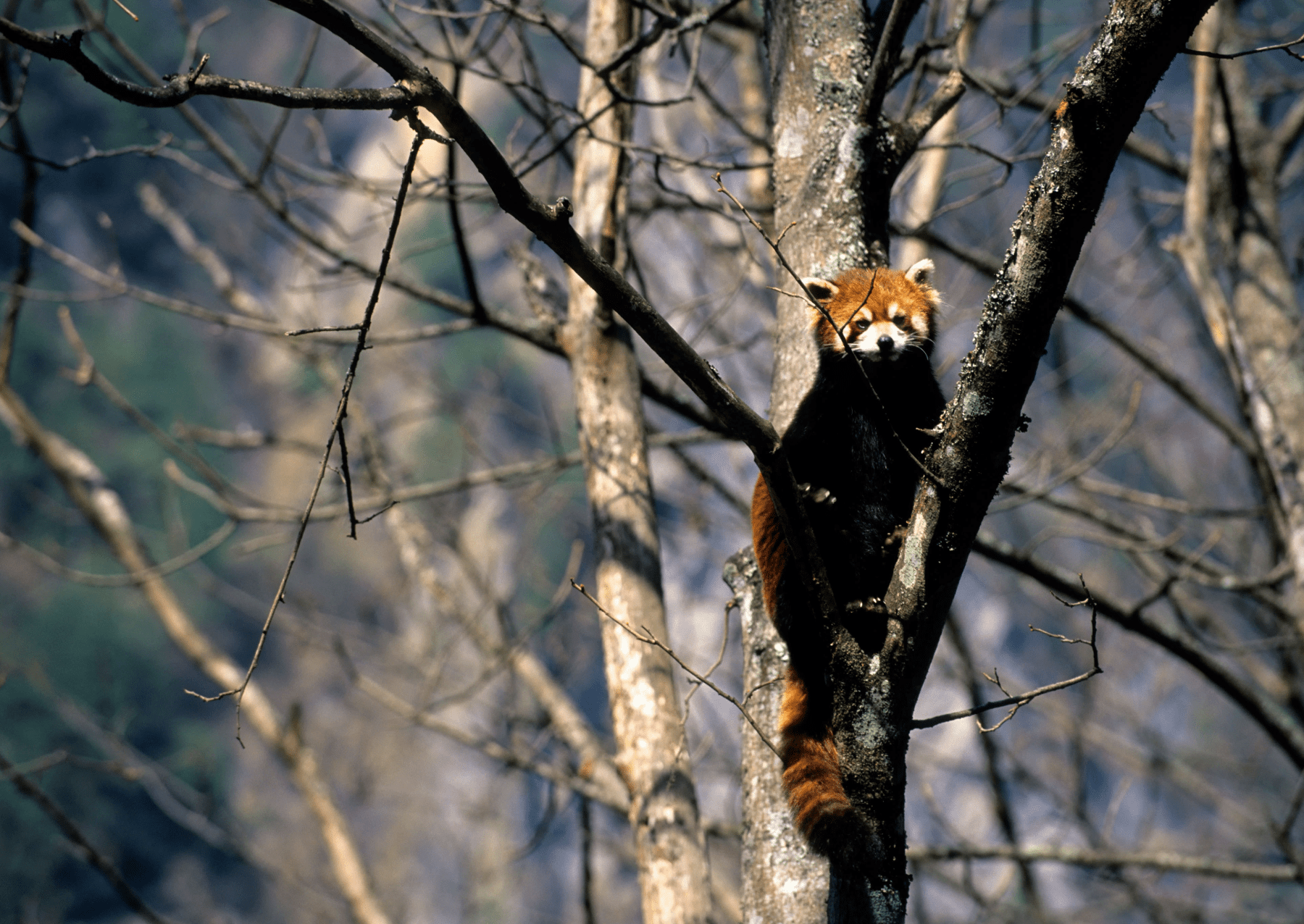
Since 2007, the Red Panda Network (RPN) has protected red pandas and their habitat through community-based conservation programs in Nepal. The Smithsonian also partners with RPN through the American Associations of Zoos & Aquariums SAFE Red Panda Program to spread awareness to zoo visitors, who may have never seen a red panda in real life.
“We like to say [to visitors], ‘We’re getting you excited about them, but also you should learn more about it and how they’re working to conserve land and redistribute the forest, and working on land corridors.’ It relates back to just getting people to care,” Kordell explains.
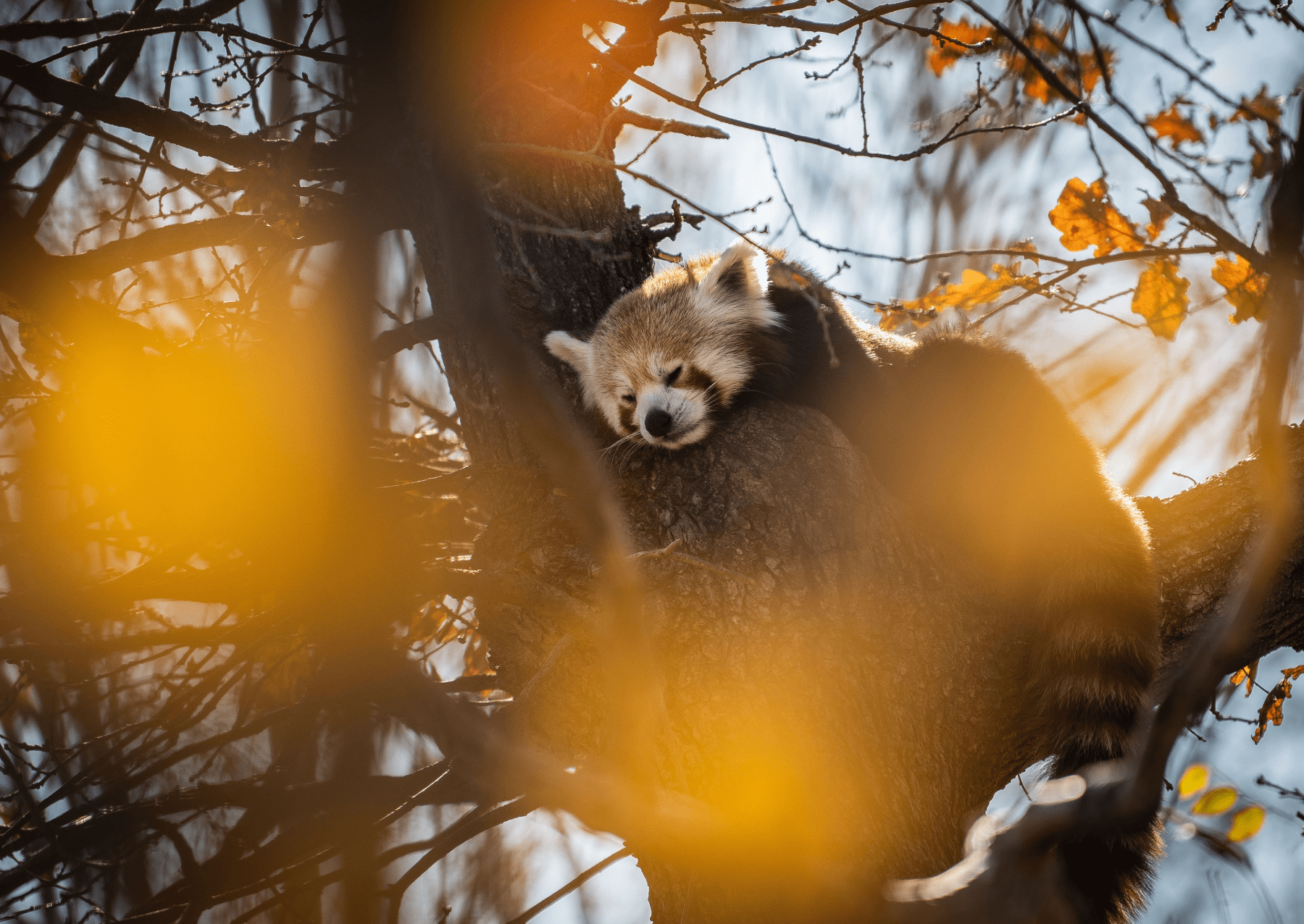
While the Smithsonian’s new pups grow, the families will remain at the Front Royal facility, which is closed to the public. However, visitors to the zoo’s main campus in Washington D.C. can catch a glimpse of an adult red panda named Asa on the Asia Trail.
Happy International Red Panda Day!